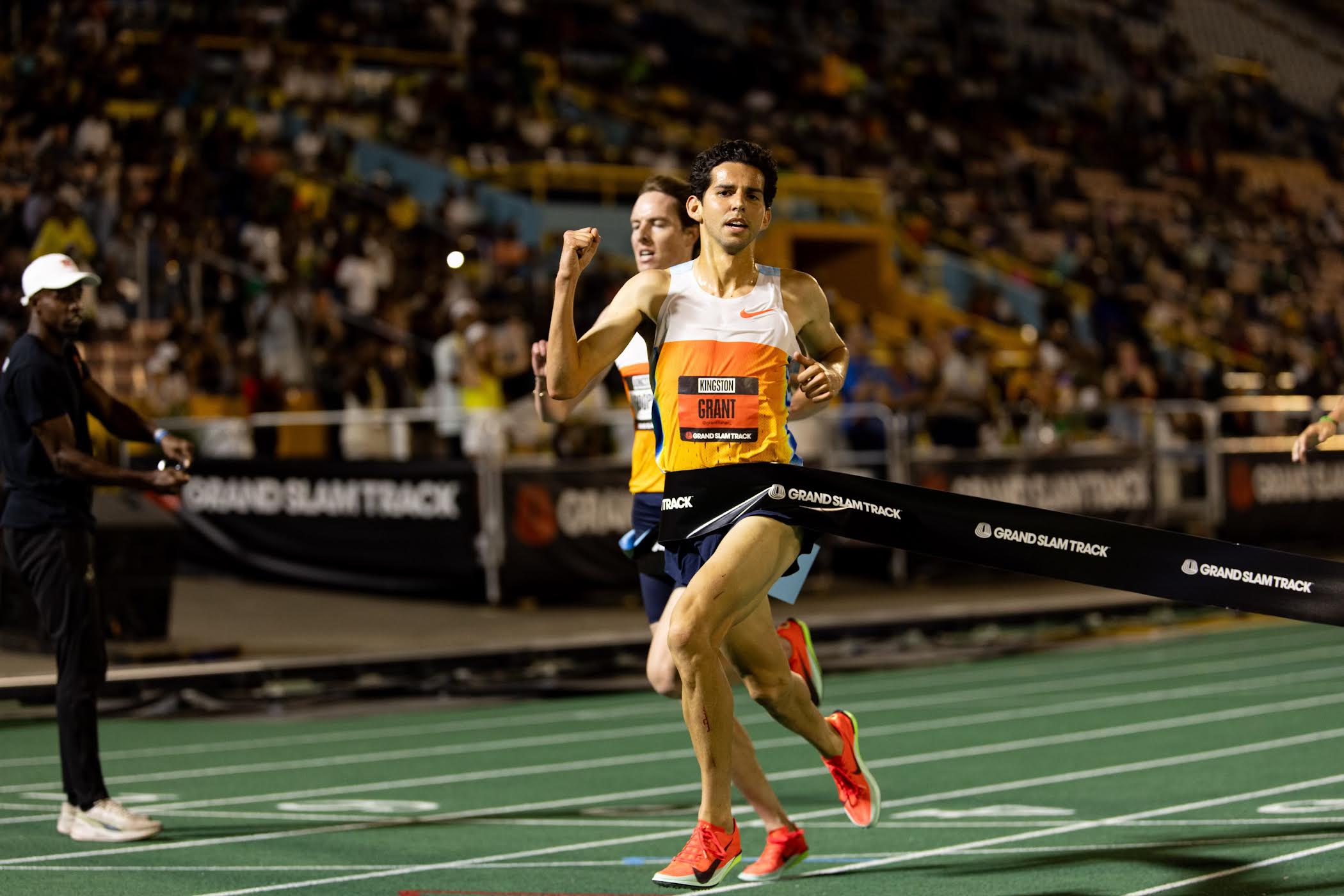
When Grant Fisher signed on for Grand Slam Track’s inaugural season last fall, fresh off his Paris Olympics 5 and 10k bronze medals, he was ecstatic. The startup was promising larger prize purses, increased visibility for runners and a short, four-event season, all beneficial for track, which has struggled to gain popularity outside of the Games every four years.
This spring, Fisher’s season appeared to be going all to plan. The 28 year old won the first two events or “slams” of the season in Kingston, Jamaica, and Miami, Florida, in April and May, respectively, and with them their supposed $100,000 checks, in addition to his appearance fees as a high-profile runner.
It wasn’t until the third event of the season in late May where Fisher and his fellow runners began to feel something was off. He said Grand Slam told the runners they had secured their funding up front for the season, yet they decided to scrap the 10k race from the distance category, with it cutting the prize money for the category in half and shortening the event from three to two days. Weeks later, on June 12, the league scrapped their fourth slam of the season, scheduled for late June in Los Angeles.
As of Tuesday, Fisher and the other runners have only seen their Kingston appearance fees, still owed in-total over $13 million in prize money and additional appearance fees, according to Forbes. While runners often see their prize money months late, as they have to clear post-race drug testing, founder and track legend Michael Johnson admitted to “major cashflow issues” within the league Thursday on the Front Office Sports Today show. As Grand Slam is scrambling to find supplementary funding to pay off their debts to athletes and others, the runners are losing hope they’ll see their money.
If Grand Slam ends up filing for bankruptcy, it could leave the runners with next to nothing. Commercial sports licensing firm, the Winners Alliance, was said to be an early investor in the league.
Fisher and Johnson are in agreement that the league aimed too high. Johnson and investors looked to capitalize on the sport’s surge in popularity following the Paris Games, but they offered rare, expensive perks like paid-for travel and six-figure prizes. Fisher wishes Grand Slam had been more careful and accurately estimated track’s popularity.
“Shooting for the stars wouldn’t have been an issue if the finances were there to support it,” Fisher said.
Fisher said he now worries Grand Slam’s missteps could scare off future investment in the sport. While the league saw acceptable television numbers nearing 250,000 TVs during the Kingston event, a financial meltdown of a startup league in a traditionally lesser-watched sport wouldn’t be ideal. Fisher also feels heavily for many runners who depend more on their league payments, many of whom skipped other opportunities to participate in Grand Slam.
“If Grand Slam can turn it around, then things will probably be all right,” Fisher said. “But if Grand Slam were to not exist next year, it’s going to discourage athletes from taking a chance on a new idea or league going forward. It’s going to discourage investors from putting money into track.”
He added, “People love (track) and watch during the Olympics, but nobody’s really been able to captivate an audience throughout the year, especially on TV, and I think everyone was hoping that Grand Slam would fill that void.”