Driven by a young, tech-savvy population, increasing Internet penetration, and a growing demand for accessible quality education, Africa’s edtech ecosystem has rapidly evolved.
From mobile-first learning platforms to intelligent tutoring systems powered by artificial intelligence (AI), African startups are transforming the way education is accessed, personalized, and experienced on the continent.
Amid Africa’s fast-growing edtech landscape, a Lagos-based startup called Cubbes is carving out a niche with its all-in-one digital platform designed specifically for university students.
By combining AI-powered study tools, digitized academic content, and peer-to-peer mentorship, Cubbes is tackling the systemic challenges of higher education in Nigeria and emerging as a promising force.
Launched in 2022, Cubbes aims to improve student support in Nigeria with its mobile-first app.
The platform blends AI-driven study tools, a vast library of digitized academic content, productivity features, and a peer mentorship network, creating a comprehensive academic ecosystem.
Cubbes serves more than 50,000 students across universities in Nigeria, providing tools to learn, earn, and connect.
With features like Cubbes Pay for digital transactions and a Mentorship-as-a-Service model, the platform goes beyond learning; it empowers students to thrive academically, socially, and financially.
Connecting Africa Associate Editor Matshepo Sehloho spoke to Cubbes CEO Peter Adeyemi about the startup.
Matshepo Sehloho (MS): Cubbes has grown rapidly in Nigeria’s edtech space. What’s your long-term vision for Cubbes across Africa, and how do you plan to scale sustainably?
Peter Adeyemi (PA): Our plan is to build Africa’s most trusted academic productivity platform, scaling from Nigeria into East, West, and Southern Africa. When we started, our driving force was the knowledge that students needed all the help they could get with access to resources and tools to make their academic and personal lives easier and more successful.
We had been students ourselves, and we broke our backs to go through school, often with lack of access to the very resources we needed, and definitely zero tools, as we relied on old, traditional, manual learning methods.
At that very beginning, we hatched out and wrote the Cubbes Secret Grand Plan, which summarized our simple vision: A world with seamless access to resources and tools to make everyday living better.
Right now, having impacted more than 50,000 students in Nigeria, we aim to sustainably scale through mobile-first solutions, university partnerships, and monetization via subscriptions and payments – all while staying lean and impact-driven.
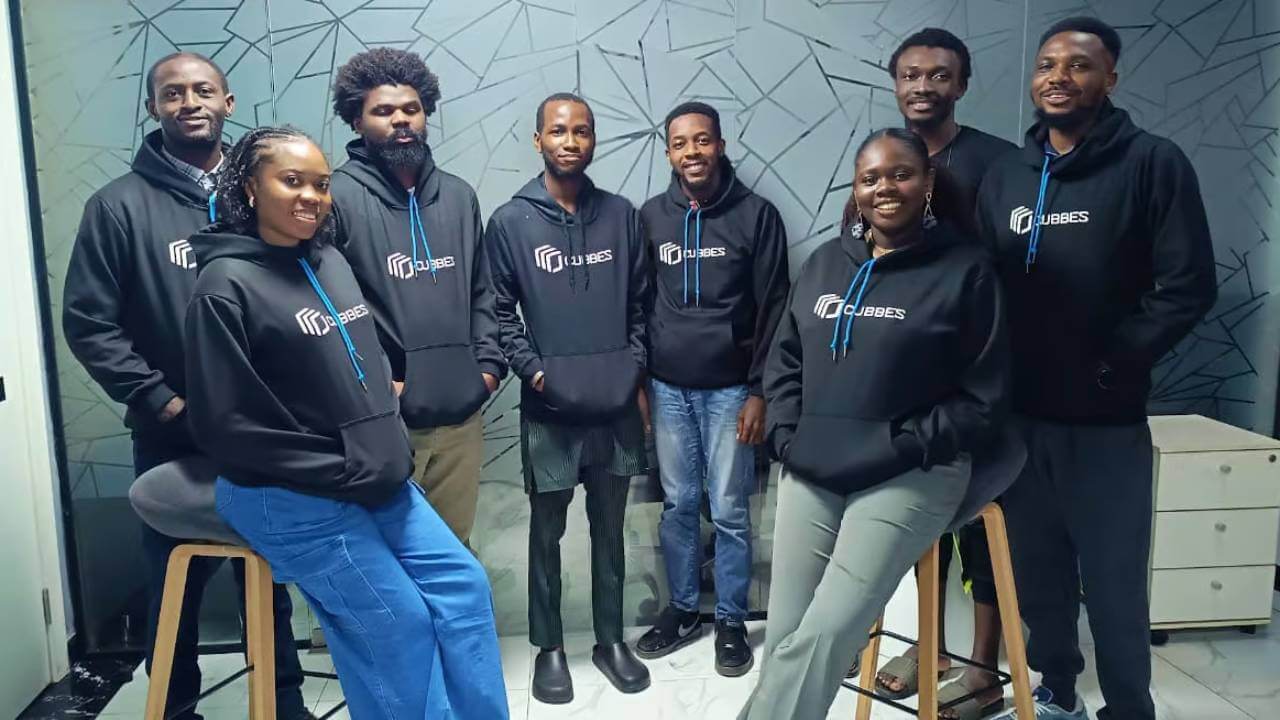
The Cubbes team created AI-driven study tools, a vast library of digitized academic content, productivity features, and a peer mentorship network. (Source: Cubbes)
MS: You’ve spoken about democratizing education. How does Cubbes balance innovation with accessibility, especially in underserved regions with limited digital infrastructure?
PA: Cubbes balances innovation and accessibility by building lightweight applications optimized for low-data use, a consequence of the type of infrastructure available in the region we have found ourselves.
In addition, we have incorporated many offline-first features in the applications, so that students do not need to be connected to get access to their resources.
In recent times, we are exploring telco partnerships for zero-rated access to our educational platform, which would give students unlimited access to their resources, wherever they are.
As we expand into diverse African markets, we are adding multi-language support, ensuring underserved students can fully benefit.
MS: Cubbes integrates AI into its learning tools. Can you walk us through how your AI models are trained and localized for Nigerian universities?
PA: In each learning resource that a student accesses on Cubbes, there is an AI-powered assistant, helping to deepen their understanding of the resource, and acting as a tutor.
It summarizes, asks them questions, grades them, and assists them in getting the best out of their study.
We achieve this by using Retrieval-Augmented Generation (RAG), an AI technique that enhances large language models (LLMs) by first retrieving relevant information from a specific, up-to-date external knowledge base and then using that information to generate a more accurate and context-specific answer.
As we know that localization is critical, we align models with Nigeria’s approved university curriculum and actual course outlines and resources, enriched by real student behavior.
Human-in-the-loop validation ensures accuracy and contextual relevance for each institution.
MS: What role does data play in shaping Cubbes’ personalized learning experiences, and how do you ensure student privacy and ethical use of data?
PA: Data is today’s gold. At Cubbes, data drives personalized learning paths for each student, recommending study resources, tracking engagement, and surfacing gaps.
We are yet to scratch the surface. Our plan is to make Cubbes a full study agent that understands and fully acts as a personal assistant to each learner and caters to their needs.
We’re NDPR-compliant with up-to-date audits, and we anonymize usage data to protect identities.
Students have full control of their data, and our annual privacy audits ensure the ethical use of learning insights.
[The Nigeria Data Protection Regulation (NDPR) is a data protection framework that safeguards personal data and aligns with international best practices.]
MS: Mentorship-as-a-Service (MaaS) is a unique feature. How do you vet mentors, and what impact has this had on student outcomes so far?
PA: Our MaaS offering was born out of a constant cry from students, especially those just starting out, who needed someone who had gone through these paths to hold their hands.
We continued to get these requests, so we learnt more about what they wanted and came up with our MaaS. The model is simple, really: we get older students or recent graduates to apply to be mentors.
We carefully vet their professional verification, academic prowess, background checks, and trial sessions before full onboarding.
The results we have seen are amazing and have improved student outcomes, with mentees feeling more confident, gaining career clarity, and acing their exams.
One student told us, “I not only passed my exams, but I also finally know what to aspire to in my career.”
MS: Cubbes has processed over N50 million (US$33,500) in digital transactions and reached 50,000+ users. What do these numbers tell you about the demand for localized edtech solutions?
PA: What we have learned from our rapid growth in just about a year is that the time is right for localized edtech solutions and that students are ready to adopt and pay for digital-first academic solutions tailored to their reality.
Africa’s youth population is growing, and these are digital-first students, born into the era of technology.
Almost all of them are tired of traditional methods of learning or living, and there is an increasing appetite for everything to be digital-first. We are seeing a high level of trust in Cubbes to handle all these essential aspects of their academic lives.
MS: How do you measure success beyond user growth? What metrics matter most to you when evaluating Cubbes’ impact?
PA: Beyond sign-ups and user growth, our biggest measure of success is simply how effective the tools we are giving to students are to help them succeed in learning outcomes.
By our measurements, we have seen average grade improvements of over 50%, which is super satisfying to watch. We have also seen students go on to graduate with distinction, who attribute their successes to Cubbes helping them improve their grades and make learning easier.
In fact, in the very first class we launched Cubbes at the University of Lagos, 80% of the first-class graduates attribute their success to Cubbes.
Beyond this, we are also buoyed by the number of minutes students spend studying (3 million minutes and counting), high retention rates, and more importantly, helping to contribute directly to the achievement of [the United Nations] Sustainable Development Goal (SDG) 4 – Quality Education.
MS: You’ve transitioned from roles in PwC and Curacel to founding Cubbes. What personal experiences inspired you to tackle education through technology?
PA: Education has always been my passion, and as early as 11 years old, I’d gather kids across my street in Lagos State, Nigeria, and teach them Mathematics and English during the evenings and weekends.
My board was the wall behind the house, and at a time, up to 30 kids would promptly be around every day to learn.
I carried this on to university, tutoring my classmates and juniors over my stay in university. I was the best student in my faculty, from my first year, until graduation and became a University of Ilorin scholar, an award that came with free tuition, accommodation and monetary benefits. I organized study notes that became a legacy resource, passed down for years.
Years later, in 2021, a conversation with a student revealed that the same struggles of accessing resources persisted.
With my years of experience in technology, helping to digitize and automate processes and resources at Curacel, I leapt into action, and that night, Cubbes was born, with the mission of solving systemic inefficiencies in education.
MS: As a founder, what has been your biggest challenge building Cubbes in Nigeria’s startup ecosystem, and how have you overcome it?
PA: Africa’s startup ecosystem presents funding challenges, as is widely known, and edtech is not one of the areas that investors would typically be excited for.
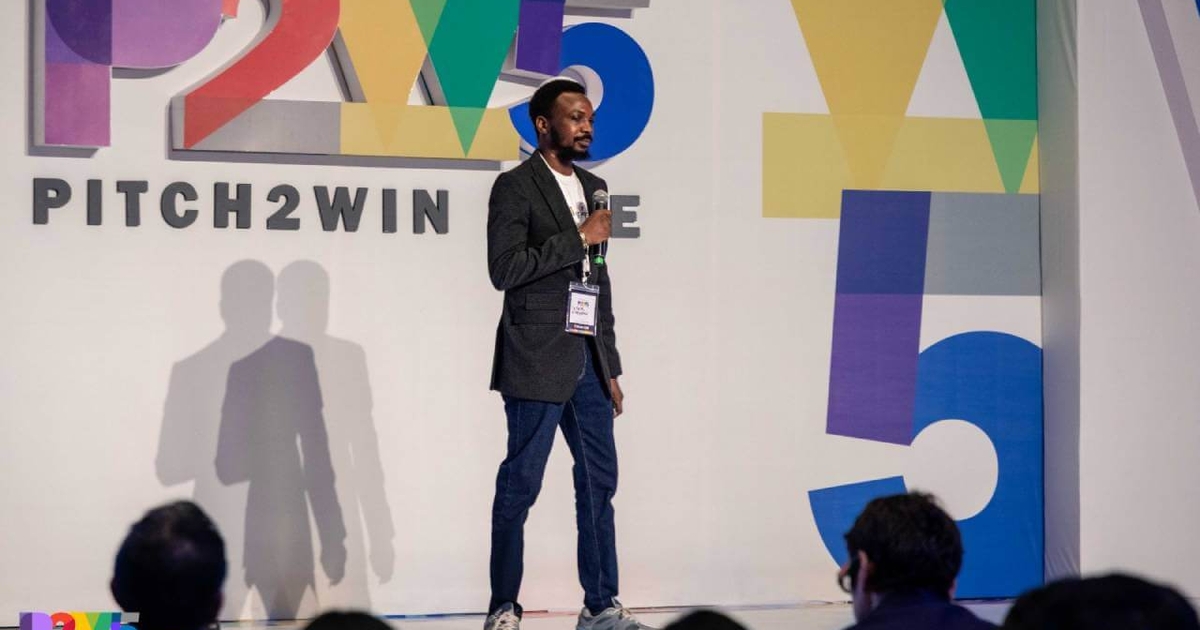
Despite this, we have gone ahead to build one of the largest edtech startups here, and the number-one tertiary student platform in Nigeria, and we will continue to grow. We are grateful to the investors who have believed and invested in us as well.
Beyond the above challenge, building in education is particularly challenging, as adoption is usually slow and tiring.
Universities in Africa have very bureaucratic systems that block them from being able to quickly adapt to innovation.
Despite this, we have found a way to improve adoption, especially with our approach of being student-first, then institution-second.
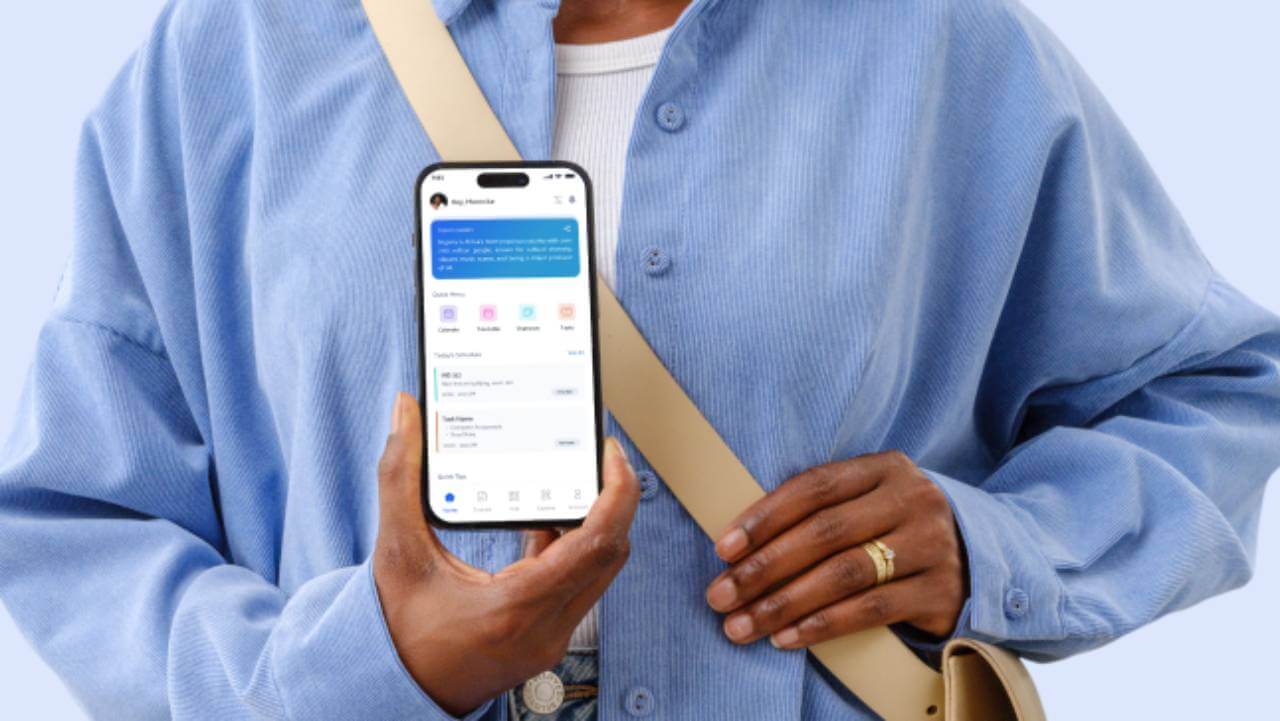
Cubbes’ mobile-first platform helps university students with tools to learn, earn, and connect. (Source: Cubbes)
MS: Cubbes has participated in a few accelerator programs. What have these experiences taught you about building scalable African tech solutions?
PA: We are grateful to have been part of many incubators, accelerators and programs like the Tony Elumelu Foundation (TEF), NITDA EDUAI, 54 Collective Business Support Accelerator (BSA), University of Lagos’ Innovation2Market (I2M), Antler and many others.
In these programs, we’ve learned the importance of sharpened go-to-market strategies, adaptability, and positioning for scale, especially in building an educational technology startup like Cubbes.
The go-to-market strategies have helped fuel our growth, as we continue to position all the stakeholders in the industry that we serve.
MS: Are there plans to collaborate with government or academic institutions to embed Cubbes into formal education systems?
PA: Yes, even though we were built as students-first, for growth, we know we can achieve the type of scale for success if we collaborate with the institutions themselves.
This is already in progress, and we are in active partnership discussions with many of the Tier 1 universities in Nigeria.
The opportunities are truly endless as to the impact we can help achieve in the educational space, and we are positioned to keep ticking these off one after the other.
MS: What’s next for Cubbes? Are you exploring new verticals like vocational training, career readiness, or international expansion?
PA: Apart from institutional partnerships in Nigeria, international expansion is underway, starting with our recent launch into Uganda.
In addition, we are expanding into AI-powered job simulations for career readiness, job placements, AI-powered career guide for the teeming youths who have no clarity on what to do, and skills training, alongside lecturer tools and tracer studies.
Our north star is to bridge academics with employability across Africa.
MS: How do you envision Cubbes contributing to Africa’s broader digital transformation and the achievement of SDG 4 Quality Education?
Africa’s teeming youths are a blessing that can quickly become a curse, if not well harnessed.
At Cubbes, we recognize this opportunity and threat, and our goal is to help Africa leapfrog into a future where millions can access and benefit from education equitably.
We are building Africa’s digital academic infrastructure, connecting students, lecturers, payments, and careers in one ecosystem.
By enhancing learning outcomes and employability, Cubbes aims to contribute directly to SDG 4 Quality Education and a more prosperous Africa.
Source link