Less than three years ago, Izunna Okonkwo was the poster child for Africa’s next generation of tech builders.
The Stanford-educated Nigerian had just landed on the 2023 Forbes 30 Under 30 Social Impact list alongside his two co-founders for Pastel, a Lagos-based fintech whose offline bookkeeping app was hailed as a lifeline for the continent’s informal merchants.
TLcom Capital, Global Founders Capital, and a string of Silicon Valley funds had poured more than $6 million into the startup.
Okonkwo, then 27, told interviewers that Pastel’s mission was to stop 80 percent to 90 percent of Nigerian small businesses from failing within five years by giving them digital tools that worked even when the lights and the internet went out.
This week, the 30-year-old dual Nigerian-American citizen finds himself named as an unindicted co-conspirator in a $41 million insider-trading and money-laundering investigation that reads like a Wall Street thriller transplanted to Lagos, London, and San Francisco.
Court documents unsealed in the U.S. District Court for New Jersey allege that between 2019 and 2022, Okonkwo was the ultimate beneficiary of a remarkably effective insider-trading ring built around Gyunho Justin Kim, a Citibank investment banker in San Francisco.
The information flowed through Saad Shoukat, a longtime friend of Okonkwo’s who allegedly received deal codenames, target lists, and announcement timelines from Kim, then passed them on to the Pastel founder.
Prosecutors say the scheme was brazenly simple: buy shares in biotech companies days or weeks before takeover announcements, then sell immediately after the stock surged.
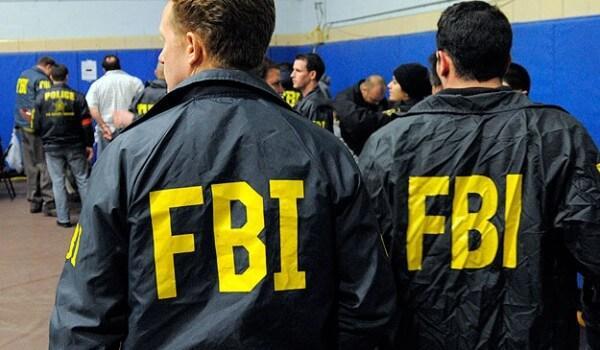
Among the trades traced to accounts controlled by or accessible to Okonkwo: a $2.3 million profit on Immunomedics ahead of Gilead’s 2020 acquisition and a $3.5 million gain on another biotech deal in 2022. A written profit-sharing agreement recovered by the FBI gave Okonkwo roughly 50 percent of the proceeds, court papers say.
Investigators linked the trades to a London residential address Okonkwo used while travelling in Europe, the same IP range Shoukat allegedly used to execute some of the purchases. Relatives of the suspects also benefited, with one making $465,000 on the Immunomedics trade alone, according to the complaint.
The revelations have stunned Africa’s venture community. Pastel, originally launched as Sabi Cash in September 2021 while Okonkwo was still finishing his Stanford graduate degree, had grown to serve more than 120,000 merchants across 40 countries by 2023.
Its modular suite of apps allowed offline record-keeping, digital “Ajo” savings circles, and low-cost loans, earning praise for understanding the realities of African informal trade better than most foreign competitors.
Neither Okonkwo nor Pastel has responded to multiple requests for comment. A spokesperson for TLcom Capital, the lead investor in Pastel’s $5.5 million seed round, said the firm is monitoring the situation.
The case underscores the growing scrutiny U.S. authorities are applying to cross-border financial crime as African startups raise larger checks from global funds and their founders gain access to international networks.
While Okonkwo has not been charged, prosecutors describe him as a co-conspirator rather than a defendant, legal experts say the detailed evidence laid out in the 78-page criminal complaint could make extradition or future charges a real possibility.
For now, Pastel’s website still features Okonkwo’s smiling headshot and a quote about building the financial operating system for the offline economy.
Staff in the company’s Yaba headquarters in Lagos declined to discuss the case when approached by BusinessDay, and several employees contacted privately expressed shock, saying Okonkwo had kept an increasingly low profile in recent months.
In African tech circles, the fall of a founder once seen as a symbol of the continent’s potential has prompted uneasy introspection.