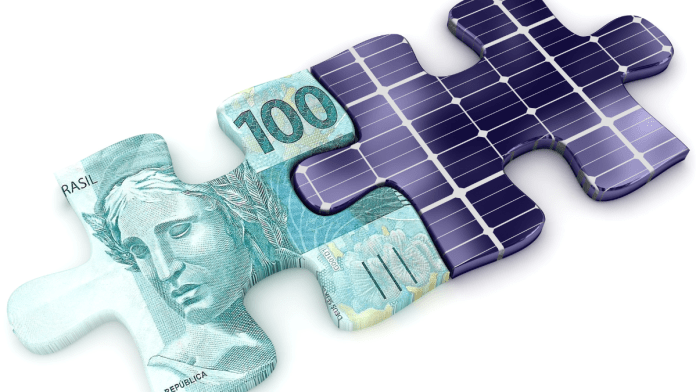
Africa’s investment story is changing fast as renewable energy, especially solar power, is now attracting more venture capital and private funding than financial technology. For the first time in several years, fintech is no longer the top destination for startup investment across the continent. Instead, solar energy companies are leading deal activity, showing how investor priorities are shifting toward businesses that solve urgent infrastructure problems.
Fintech had dominated Africa’s startup boom for years by offering digital banking, payments, and lending services to people who lacked access to traditional financial systems. These platforms grew rapidly and pulled in large funding rounds as investors bet on the expansion of mobile money and digital services. But the sector is now entering a cooler phase. High global interest rates and changing market conditions have pushed investors to rethink risk and valuation. Many are moving away from fast-growth tech models and looking for stronger business fundamentals and more stable returns.
This is where solar energy is gaining an advantage. Investors are increasingly putting money into “climate tech,” and within that category, solar providers are taking the biggest share. Solar businesses are seen as asset-backed and practical, because they deliver a product that people and companies need every day: electricity. For many investors, this makes solar a more dependable bet compared to fintech startups that may take longer to reach profitability.
The investment surge is also being driven by the scale of Africa’s energy shortage. Large parts of sub-Saharan Africa still struggle with unreliable electricity, and hundreds of millions of people do not have regular access to power. This shortage affects daily life, business activity, education, and healthcare, and it limits economic growth. Solar power is emerging as one of the fastest ways to expand access, especially in areas where national grids cannot reach quickly.
Pay-as-you-go solar models have become a major reason behind this momentum. These systems allow households and small businesses to buy solar power in small payments using mobile money. This approach connects energy access with digital payments, creating a model that has remained strong even as pure fintech companies face tougher funding conditions. For customers, it reduces the burden of paying large upfront costs. For investors, it offers steady demand and repeat payments.
At the same time, commercial and industrial solar projects are expanding rapidly. Many African businesses are tired of constant outages and the high cost of running diesel generators. Solar installations offer a cleaner and often cheaper alternative, giving companies more control over their energy supply. Investors see these projects as long-term opportunities with predictable returns, supported by falling global prices for solar panels and related equipment.
Funding is still concentrated in major markets such as Nigeria, Kenya, South Africa, and Egypt, but interest is spreading to more countries. Development finance institutions and private equity firms are also joining hands to provide the larger capital needed for energy projects, which often require more funding than typical fintech startups.
Solar companies still face challenges, including high upfront costs, currency risks, and supply chain disruptions. Even so, the direction is clear. As Africa pushes for economic growth and stronger infrastructure, solar energy is becoming the new center of startup investment, marking a shift from digital convenience to the power systems needed to run a modern economy.
Related
Discover more from SolarQuarter
Subscribe to get the latest posts sent to your email.