-
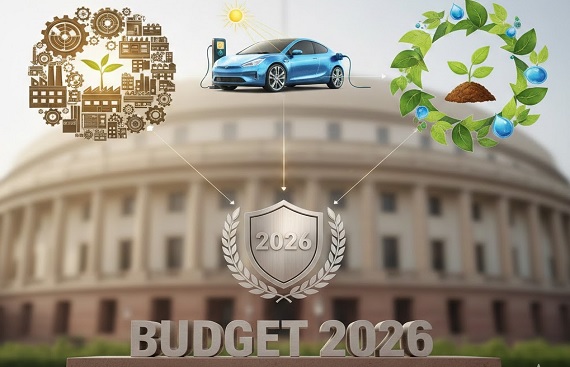
MSME Support: Easier credit, GST reform, and tech adoption incentives. -
Circular Economy: Boost recycling, resource recovery, and green jobs. -
EV Growth: Strengthen local manufacturing and support for EV startups.
As India enters its next phase of digital and sustainable growth, industry leaders from various sectors shared their insights on how the upcoming Union Budget 2026 can drive key initiatives. From enabling MSMEs to thrive on intelligence rather than just scale, to accelerating the circular economy and EV adoption, these leaders offer vital recommendations that will shape the future of India’s economy.
Umair Mohammad, Founder & CEO at Nitro Commerce
“India’s next phase of digital growth will be driven by MSMEs, which already contribute nearly 30% to GDP, 45% of exports, and employ over 110 million people. From a martech lens, the real opportunity lies in enabling these businesses to compete on intelligence, not just scale. The Budget must deepen support through easier access to credit, GST rationalization and incentives for tech adoption, especially AI-led commerce, data, and identity infrastructure. Rewarding innovation at the grassroots level will allow MSMEs to move from survival to sustainable growth, and ensure India’s digital economy is built bottom-up, not just by large enterprises”.
Kashyap Devulapally, Co-Founder & CCO at Elima
“India’s circular economy is already a USD 45–50 billion opportunity and can become a cornerstone of Viksit Bharat 2047 if treated as industrial infrastructure rather than only compliance. Government support through industry recognition, targeted tax incentives, and access to long-term financing can accelerate recycling and resource recovery at scale. Strengthening urban mining and advanced material recovery can reduce dependence on virgin resources and volatile imports, especially for critical materials used in EVs and electronics. With improved recovery efficiency and continued support from the government, circularity can secure raw materials, create green jobs, and build long-term manufacturing resilience in India”.
Kunal Sharma, Founder & CEO, Flipspaces:
Himanshu Gupta, Founder & CEO at Lawyered
“As India’s EV and mobility ecosystem enters its next phase of scale, the Union Budget must shift from adoption-led incentives to long-term competitiveness. EVs currently account for 6–7% of total vehicle sales, with electric two- and three-wheelers driving over 90% of current volumes. Achieving the 30% EV penetration target by 2030 will require sustained policy support for domestic manufacturing, innovation, and startup-led execution. EV and mobility startups particularly across batteries, charging, fleet operations, and mobility platforms remain capital-intensive with longer gestation cycles. While India will need over USD 200 billion in cumulative EV and mobility investments by 2030, access to patient capital and operational efficiency remains uneven.
The Budget should strengthen localisation incentives, expand credit support for EV startups, and rationalise GST on EV components and charging infrastructure. Equally important is easing on-road compliance and enforcement. With EV fleets and shared mobility operators scaling rapidly, digital, transparent challan and dispute-resolution systems can significantly reduce downtime, improve fleet efficiency, and lower compliance friction for startups and drivers alike.
A forward-looking Budget that aligns climate goals with industrial policy, regulatory clarity, and compliance-led digitisation can position India as a global hub for sustainable and efficient mobility”.