Introduction
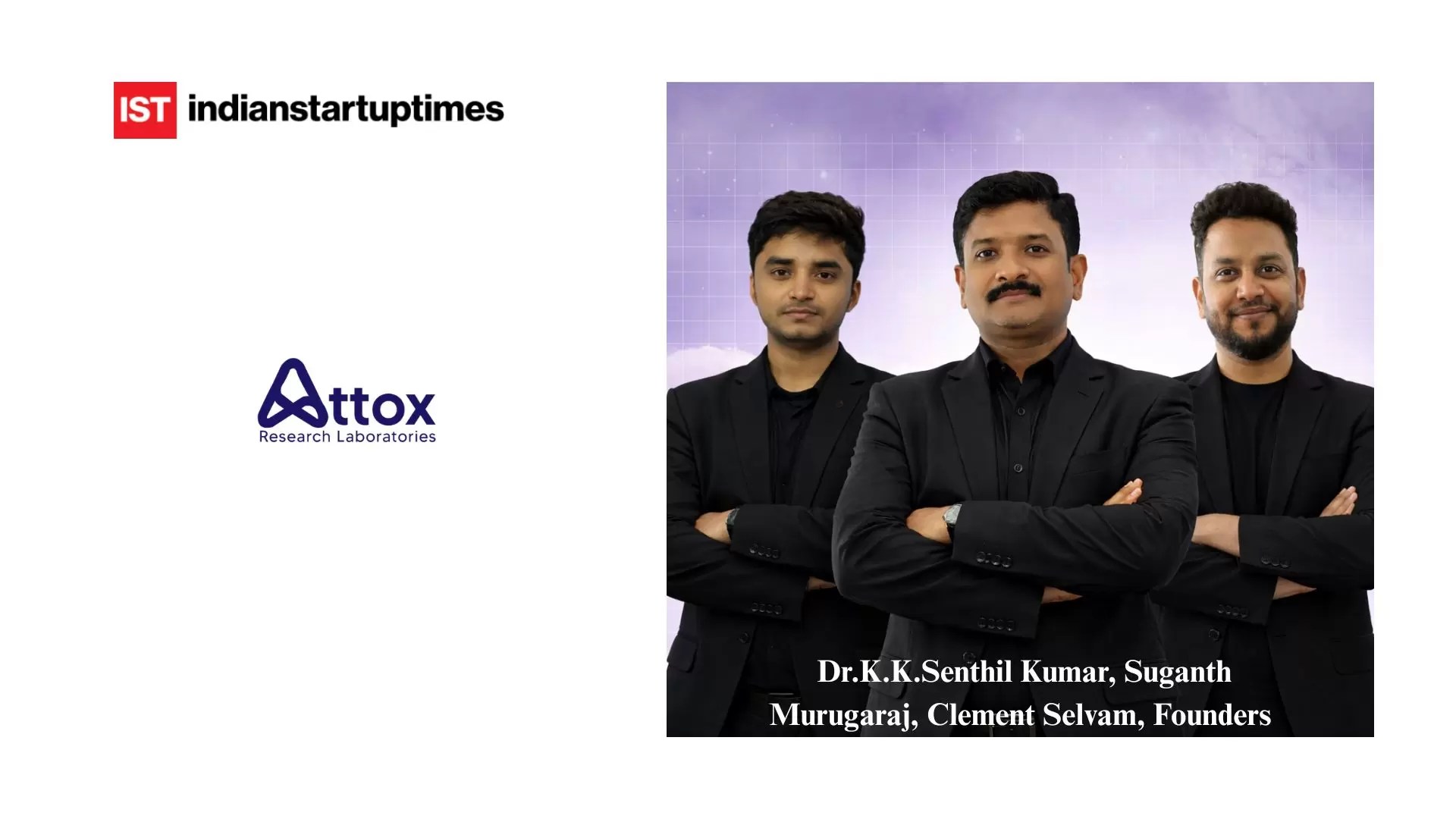
When a patient shows signs of a serious infection, doctors cannot afford to wait 24-48 hours for lab results. Bacteria can multiply every 20 minutes, and delays in treatment can be life-threatening. To protect the patient, physicians begin empirical antibiotic therapy using broad-spectrum antibiotics as an immediate precaution. Attox Research Laboratories, an Indian medical diagnostics startup, is working to change this by developing a rapid antibiotic susceptibility test that helps doctors choose the right antibiotic much faster.
What Does Attox Labs Actually Do?
Attox Research Laboratories is building faster and more accessible Antibiotic Susceptibility Testing, or AST, solutions. In simple terms, AST is how doctors figure out which antibiotics will actually work against a specific bacterial infection in a patient.
Their flagship product is called Bactolizer, and it is designed to cut down the time it takes to get these results compared to the conventional methods currently used in hospitals and labs.
Why Does Speed Matter in Antibiotic Testing?
Traditional antibiotic susceptibility tests can take anywhere from 24 to 72 hours. That is a long time when a patient is sick and waiting for the right treatment. During that window, doctors typically prescribe broad-spectrum antibiotics just to be safe, which is not always the best approach.
With faster results, doctors can choose the most effective antibiotic much earlier. This means patients recover faster, hospital stays can be shortened, and the unnecessary use of broad-spectrum antibiotics goes down.
This becomes even more critical in intensive care settings. For patients with sepsis or other severe infections, every single hour counts. Rapid testing allows doctors to quickly identify which antibiotics are not working and switch to a more targeted treatment, which can directly reduce the risk of death.
Getting Hospitals and Doctors to Actually Use It
Introducing new technology into healthcare is never straightforward. The team at Attox Labs knows that trust is everything in medicine. Their plan involves running clinical validation studies to prove the product is reliable, comparing it side by side with standard AST methods during early rollout, obtaining proper regulatory approvals, and showing hospitals the cost and efficiency benefits through real data. They are also investing in physician engagement programs to bring medical professionals into the conversation early.
The Hardest and Most Rewarding Parts of Building the Company
Building a medical diagnostics company is not easy. The team describes the biggest challenges as, developing diagnostics that meet strict medical grade regulatory standards, running clinical validation studies, navigating complex regulatory pathways, and managing long research and development cycles while keeping the business funded. As they put it, healthcare innovation requires patience, precision, and persistence.
But the rewarding side is just as significant. The most fulfilling aspect for the team has been contributing to the fight against antimicrobial resistance, seeing early signs that their faster testing approach actually works, and knowing that the technology could one day save millions of patients.
Advice for Young Startup Founders in India
For founders starting out, the team at Attox Labs says, “Focus on solving meaningful problems that have long term impact and make sure to learn about regulatory pathways early and above all, be resilient, because deep-tech and healthcare startups demand a level of patience.”
Interview by : Khevna Reddy