
Holding a spoon, lifting a cup of kopi, or buttoning a shirt – these are small everyday motions most of us do not think twice about.
For patients recovering from stroke, simple movements like these can feel out of reach. That is where medtech innovation steps in – harnessing robotics, sensors and artificial intelligence (AI) to aid recovery and restore confidence.
A stroke patient in Japan who could not open his hands for years can now unclench his hands and grasp objects after undergoing two weeks of therapy.
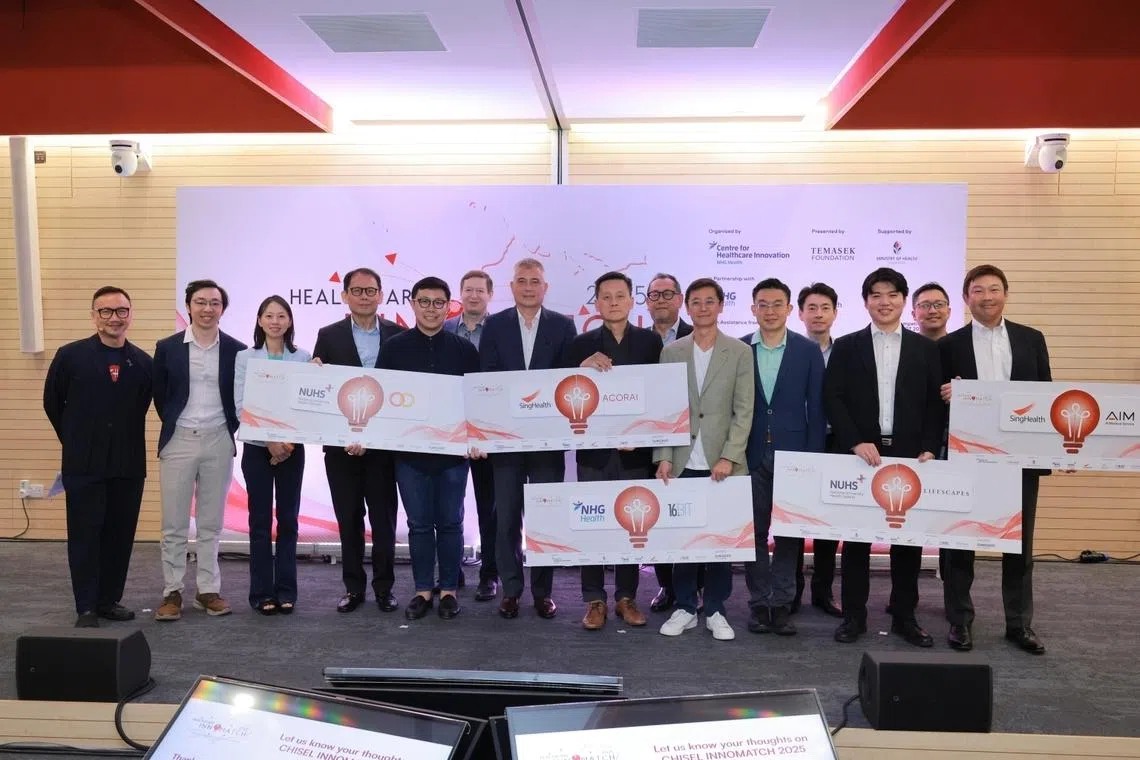
Behind that breakthrough is Lifescapes’ pioneering Brain-Computer Interface (BCI) therapy. For its transformative impact, the Japanese start-up emerged as one of the five winners of the Healthcare InnoMatch 2025.
The event is an annual global innovation challenge organised by NHG Health’s Centre for Healthcare Innovation (CHI), hosted under CHI Start-up Enterprise Link platform, presented by Temasek Foundation Ministry of Health Singapore.
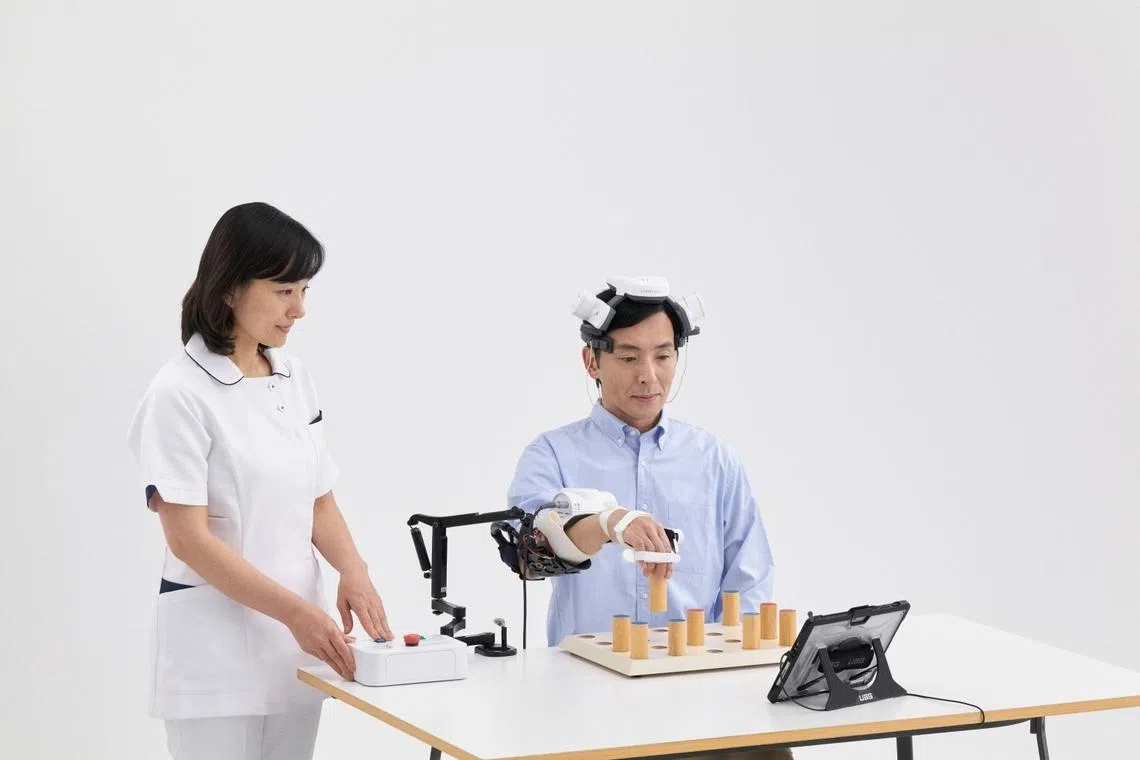
According to real-world clinical data involving over 900 patients in Japan, BCI therapy, which will be trialled by the National University Health System (NUHS), helped many regain movement within just two weeks.
PHOTO: LIFESCAPES
It pairs start-ups with Singapore’s public healthcare clusters – NHG Health, National University Health System (NUHS), and SingHealth – to run real-world trials, gather evidence and integrate proven solutions into routine patient care.
Explains Mr Kee Kirk Chuen, TF’s head of health and well-being: “Singapore’s strong healthcare system, robust data governance, and culture of innovation and public trust make it the ideal place to test and refine new technologies.
“The city’s size allows quick pilots and scale-ups, while collaborations with local and global start-ups help build an innovation pipeline that benefits patients here and across Asia.”
Since its launch in 2021, the innovation challenge has enabled 16 test beds using AI, digital health and robotics, benefiting over 2,800 patients across various areas, including mental health and diabetes.
This year’s winners were awarded a total of $3 million to test-bed technologies such as tremor-steadying wearables, non-invasive heart-failure monitoring and AI that helps detect early cancers – tools that promise faster, safer, more accessible care.
Here are four start-ups and their innovations which are poised to deliver better outcomes and value across Singapore’s healthcare system.
Our brains have a natural ability to rewire through a process called neuroplasticity. Could this “superpower” be the key to recovery even years after a stroke or spinal cord injury?
With Lifescapes
Electroencephalogram sensors placed on the head pick up brain signals when a person intends to move. These signals are then strengthened and relayed to the nerves and muscles through mild electrical pulses, forming a feedback loop that helps the brain and body reconnect.
Real-world clinical data involving more than 900 patients in Japan showed that many experienced marked improvements within just two weeks – a dramatically shorter period than traditional 12-week rehabilitation programmes.
Says Dr Masaaki Hayashi, chief strategy officer of Lifescapes: “We aim to redefine what’s considered ‘untreatable’ and give patients renewed hope that meaningful recovery is possible.”
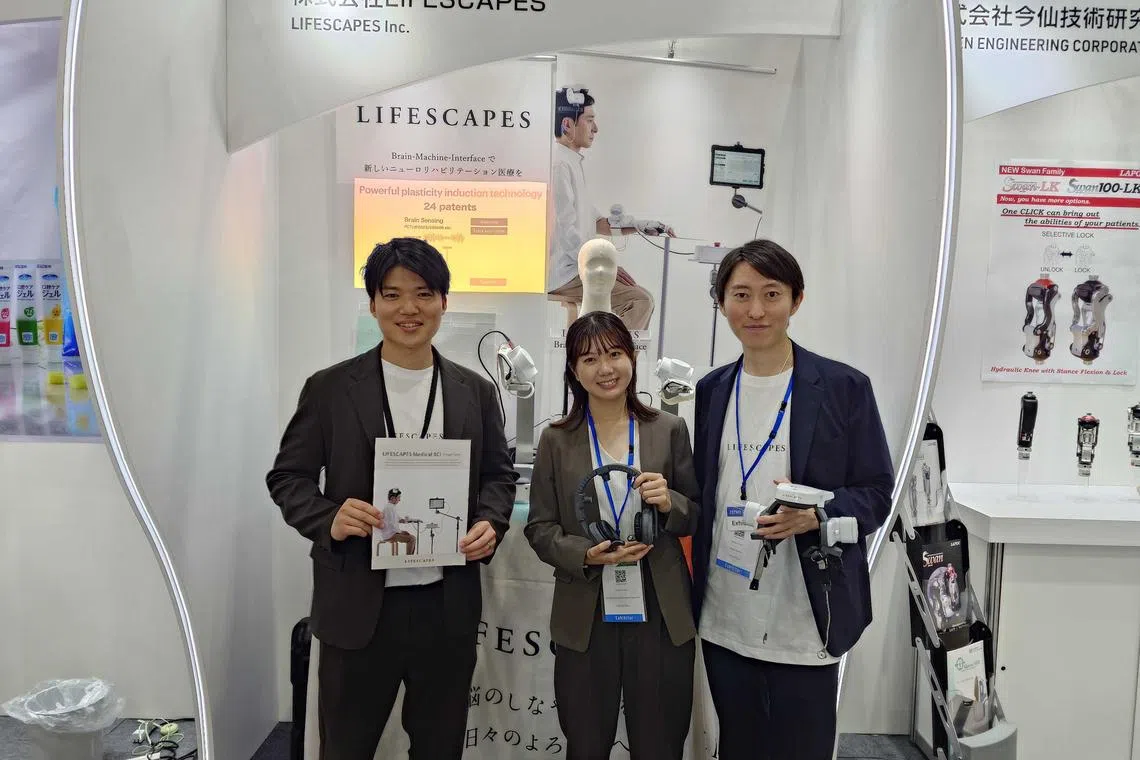
(From left) Chief strategy officer Masaaki Hayashi, overseas business development intern Kurumi Adachi and deputy director for business strategy Ryotaro Hirose were part of the Lifescapes team behind the development of the BCI solution.
PHOTO: LIFESCAPES
Lifescape’s ultimate goal is to make advanced neuro-rehabilitation more accessible, even in home or community settings.
The company will partner with National University Hospital (NUH) to optimise its technology for Singapore’s healthcare setting, ensuring it meets local patient needs and clinical standards.
Says NUH’s chief executive officer (CEO), Professor Aymeric Lim: “This technology could revolutionise neurorehabilitation by promoting neuroplasticity, and restoring motor function in stroke patients treated at our Nerve and Motion Centre and various rehabilitation facilities in NUHS.”
Being able to do simple tasks represents an “emotional and empowering moment” that builds confidence and accelerates recovery, says Dr Hayashi. Patients would be able to spend less time in hospitals and return to normal life sooner.
This, in turn, reduces the need for constant, costly institutional care, thereby easing the burden on caregivers and the healthcare system.
Says Prof Lim: “If such innovations deliver meaningful benefits to our patients, we are committed to making them accessible, not just to those who can afford them, but to all who need them.”
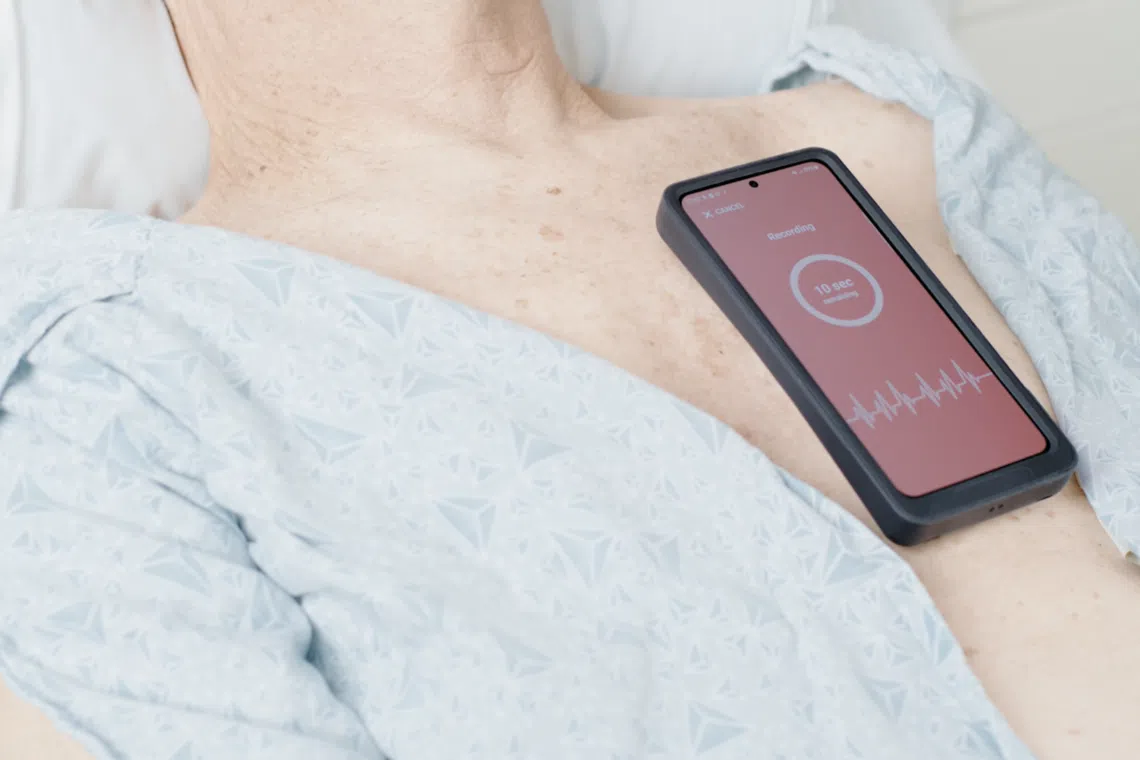
Five minutes – and not a needle in sight. That is all it takes to measure cardiac pressure using a handheld device by Swedish start-up Acorai
Measuring cardiac pressure is crucial for heart failure patients as the readings provide doctors with essential data to diagnose and optimise care. However, accurate readings typically require heart catheterisation, an invasive procedure where a tube is inserted into the heart.
This method also requires sedation and recovery time.
Acorai’s non-invasive device enables doctors, nurses and even patients to easily monitor heart health and catch problems early.
PHOTO: ACORAI
Acorai’s device is simply placed on the patient’s chest for about four minutes. It then analyses biosignals using patented sensors, which combine seismic, acoustic, visual and electric data.
The readings are powered by machine learning trained on data from more than 2,000 patients worldwide. Results appear in a minute on a touchscreen display – a process so simple that even nurses or trained patients can use it confidently.
“Heart failure is still one of the leading causes of hospitalisation, yet doctors don’t have a simple, non-invasive way to measure pressures. We wanted to change that,” says co-founder and CEO Filip Peters.
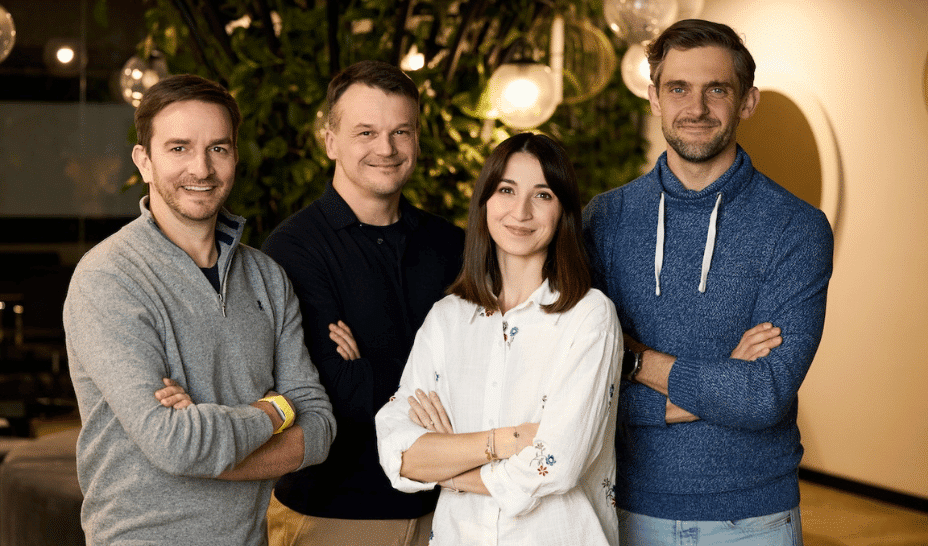
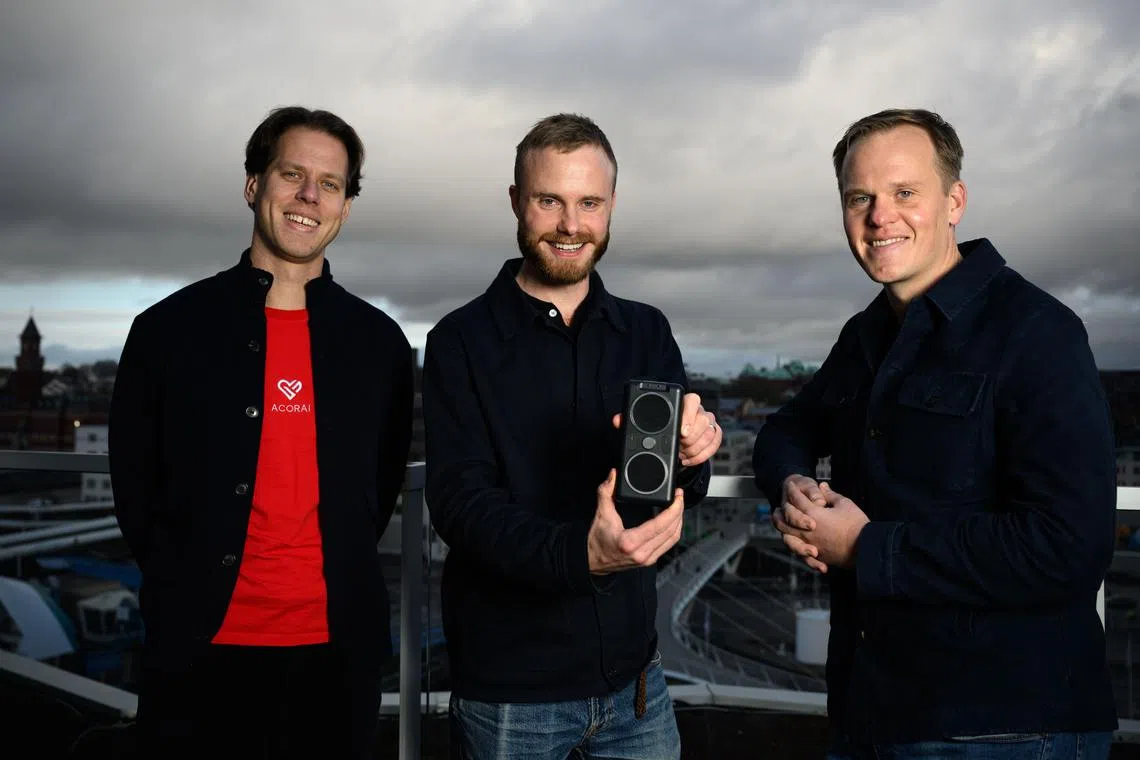
(From right) Co-founded by chief executive officer Filip Peters, chief technology officer Jakob Gelberg and chief operating officer Kasper Bourdette, Acorai’s handheld device will soon be trialled by NHG Health and SingHealth.
PHOTO: ACORAI
The device can be used at a patient’s bedside or in the clinic, making it easier for doctors to monitor heart conditions, alleviate patients’ concerns and identify problems early before they become emergencies.
Given the immense potential benefits, the start-up has been paired with not one but two healthcare clusters, NHG Health and SingHealth.
Acorai will trial its device at NHG Health’s Khoo Teck Puat Hospital. It is also in discussions with SingHealth to run trials at the National Heart Centre Singapore.
In Singapore, where heart failure is a leading cause of death and makes up 17 per cent of cardiac admissions1, Acorai’s approach could make cardiac monitoring safer, faster and more accessible.
Says clinical director for NHG Health’s Centre for Healthcare Innovation, Associate Professor Wong Hon Tym: “Cardiovascular disease remains a major population health challenge in Singapore. Acorai’s non-invasive cardiac monitoring will support proactive detection and management beyond acute hospital setting.
“The solution also facilitates right-siting of care, reduces avoidable hospital admissions and integrates seamlessly into existing workflows, with strong implementation readiness and collaboration potential.”
Mr Peters believes it will be an incredible opportunity to bring the technology into real-world patient settings.
“Adding Singapore’s diverse population will only make it more accurate and relevant here,” he says.
For patients, the impact is more than just financial. “It also means fewer invasive procedures, less disruption to daily life and better outcomes,” says Mr Peters.
He cites one heart failure patient in the clinical trials who was relieved at avoiding repeat catheterisations, while another appreciated how the technology allowed for earlier discharge, letting him return home to family sooner.
“These are the kinds of human impacts that motivate our team every day,” he adds.
For many cancers, early detection can make all the difference. It not only improves survival rates but also reduces long-term healthcare costs for patients.
Among emerging innovations in this area is gastroAI, developed by Tokyo-headquartered start-up AI Medical Service
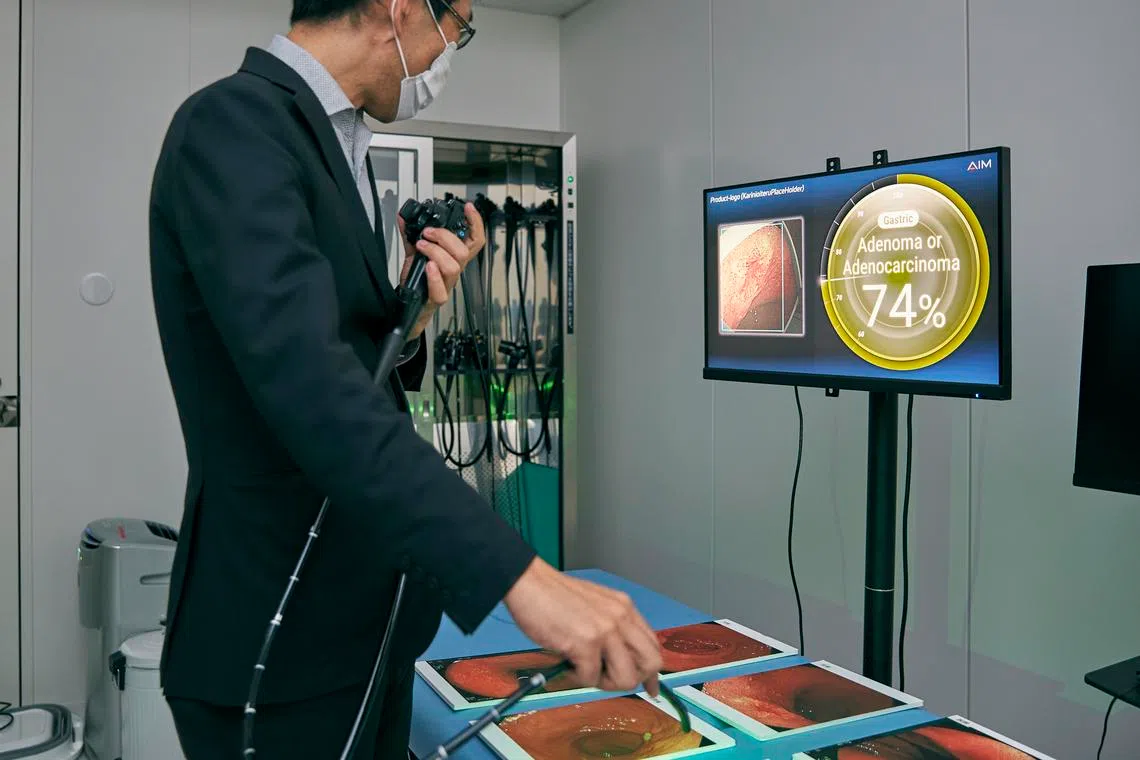
During gastroscopy, gastroAI, founded by Tokyo-based start-up AI Medical Service, displays real-time confidence scores on screen, helping doctors decide quickly whether further tests or treatment are needed.
PHOTO: AI MEDICAL SERVICE
The AI-powered system acts as an assistive “co-pilot” during gastroscopy, providing an objective “extra set of expert eyes” that enhances a doctor’s ability to diagnose early gastric cancer, explains Dr Tomohiro Tada, the company’s CEO.
“The gastroAI model has the same level of sensitivity as a specialist, which means it can support doctors in detecting important findings accurately while reducing false alarms,” he says.
The system runs in real time, flagging potential abnormalities instantly – without interrupting the procedure or adding to the patient’s waiting time.
Each time the endoscopist captures an image of the stomach, AI-generated confidence scores appear on-screen, helping the doctor decide whether further biopsy or treatment is needed.
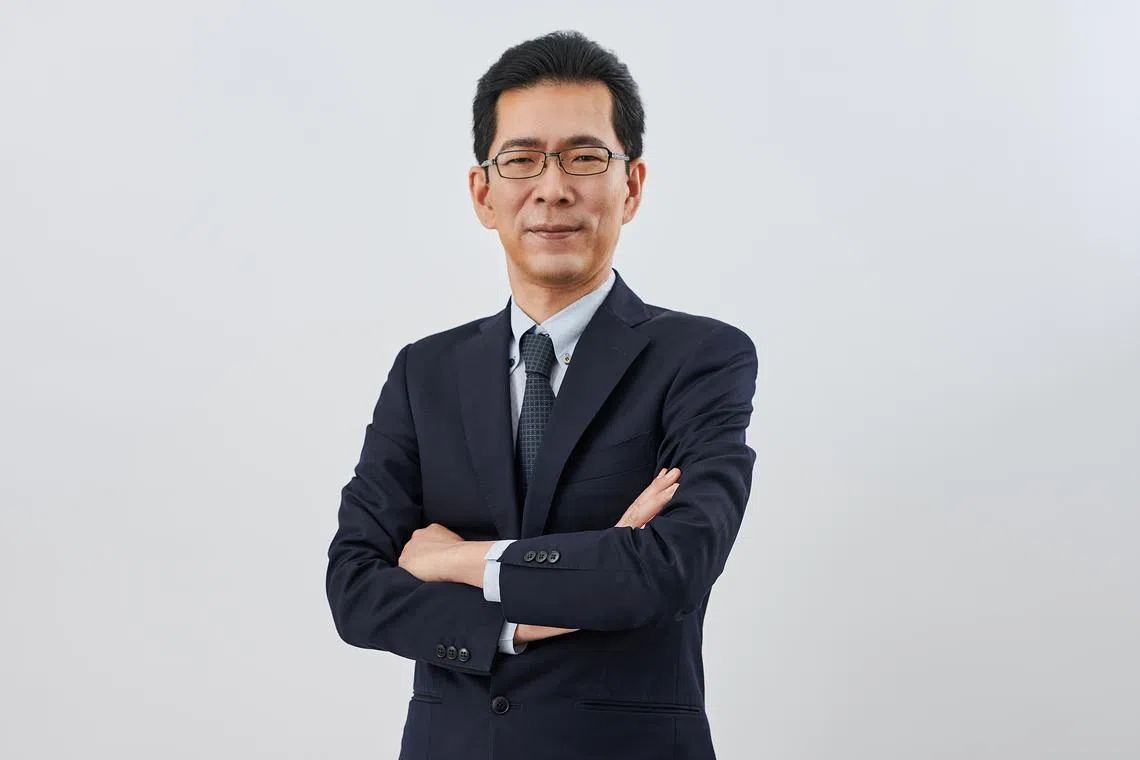
Dr Tomohiro Tada, CEO of AI Medical Service, says gastroAI – approved by Singapore’s Health Sciences Authority – will start pilot deployment with SingHealth to refine its accuracy across Singapore and the region.
PHOTO: AI MEDICAL DEVICE
This feature helps avoid unnecessary biopsies, easing both patient discomfort and medical costs, while ensuring no important findings are missed.
Says SingHealth’s assistant group CEO of its Future Health Systems, Clinical Associate Professor Tan Hiang Khoon: “Predictive analytics, wearables and personalised interventions help to prevent and manage chronic illnesses. This helps to reduce hospital admissions and prevents overloading of the healthcare system.”
The innovation is already approved by Singapore’s Health Sciences Authority and will start test-bedding with SingHealth at Singapore General Hospital (SGH).
“AI Medical Service’s work in gastric cancer detection represents one of many emerging technologies in the diagnostic space,” adds Prof Tan, who is also the CEO of SGH. “As healthcare continues to evolve, we remain dedicated to evaluating how these new technologies might benefit our patients and improve the quality of care we provide.”
A plus point is that it can be integrated easily into existing endoscopy systems without major infrastructure changes, making widespread adoption feasible.
Says Dr Tada: “Our next focus will be on pilot deployment and learning from new clinical data to further improve gastroAI’s diagnostic accuracy in Singapore and throughout South-east Asia.”
When Singaporean doctor Faii Ong was a young physician in London, he met a 103-year-old patient whose hand tremors from Parkinson’s disease were so severe that she could not feed herself.
That moment inspired him to invent the GyroGlove, a wearable device designed to restore independence and dignity to people living with tremors.
The goal is simple: to help users instantly regain control over daily tasks like eating, writing and dressing – movements most people take for granted.
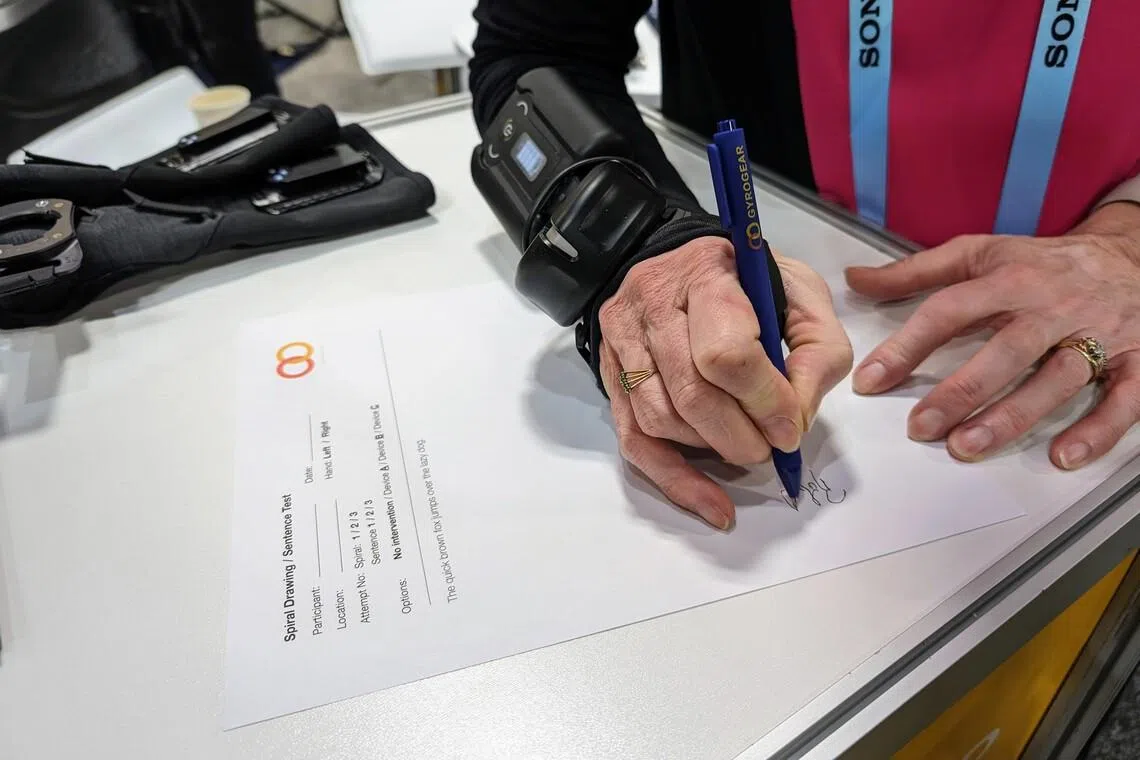
The GyroGlove, which is being trialled in NUHS’ hospitals, tracks movement data in real time, giving doctors insights they need to personalise care and help hospitals cut repeat visits.
PHOTO: SPH MEDIA
The device, developed under UK-based company GyroGear, is now being trialled in NUHS’ hospital network, beginning with NUH, to validate its impact and improve access for patients in Singapore.
The glove uses advanced gyroscopic technology, similar to what keeps spacecraft and smartphones stable, to instantly counteract hand tremors in real time. When worn, it can steady a user’s hands within seconds.
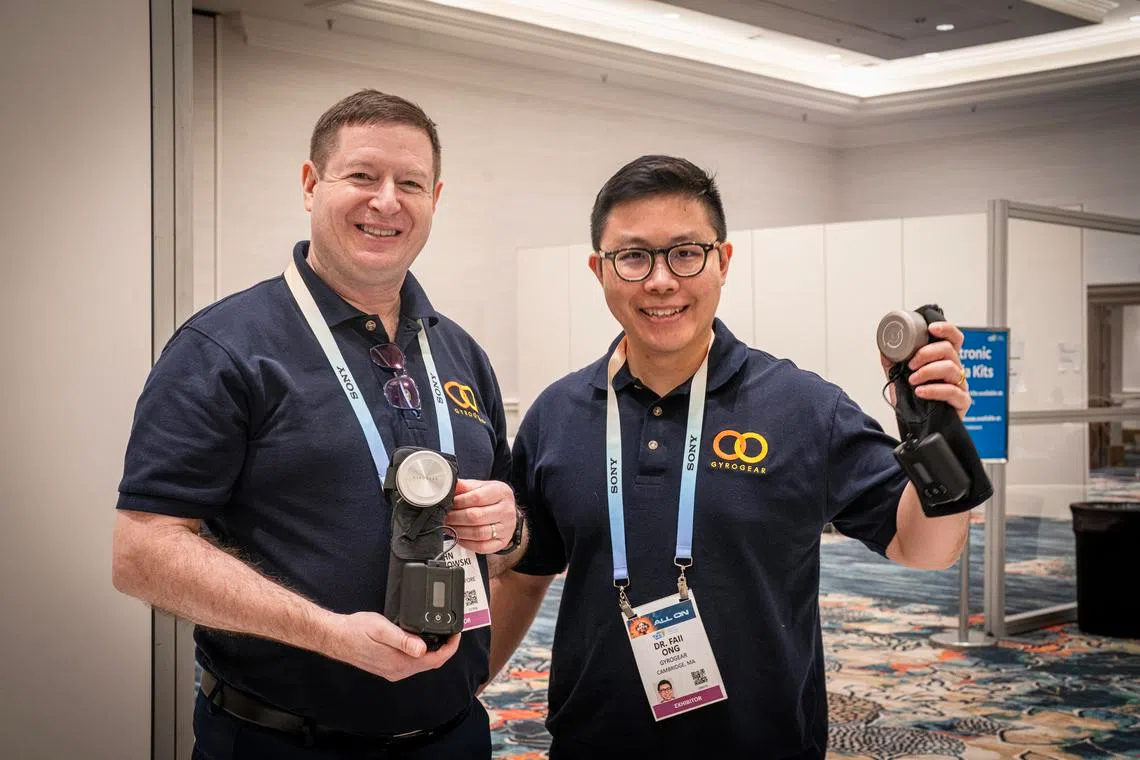
(From right) Founder of GyroGear Faii Ong and its head of commercialisation John Piontkowski at the 2024 Consumer Electronics Show, the world’s largest tech event, where their tremor-stabilising wearable, GyroGlove, won seven accolades. The glove was also recognised as one of Time’s Best Innovations of 2024.
PHOTO: GYROGEAR
“GyroGlove helps restore everyday tasks like drinking a glass of water, eating with utensils, writing legibly, typing or even playing games with family,” says Dr Ong, who highlights that being able to do these “small” tasks often offers the biggest boost in patients’ well-being.
“It’s a cost- and resource-saving alternative that delivers quality-of-life benefits immediately.”
The glove also collects objective movement data, providing doctors with new insights to fine-tune treatment and monitor recovery. Meanwhile, hospitals will be able to reduce repeat visits and reliance on manpower.
Says Prof Lim: “GyroGlove offers a truly innovative approach to managing hand tremors, which can also potentially reduce reliance on pharmacological interventions. As an academic health system, NUHS is well-positioned for testing such new treatments, given our extensive clinical trial experience and research infrastructure.”
Have a health-tech solution that could improve patient care in Singapore? Apply for the CHISEL Healthcare InnoMatch 2026
References:
1 Chan WX, Lin W and Wong RCC. Transitional care to reduce heart failure readmission rates in South East Asia. Cardiac Failure Review 2016; 2: 85–9.
Source link