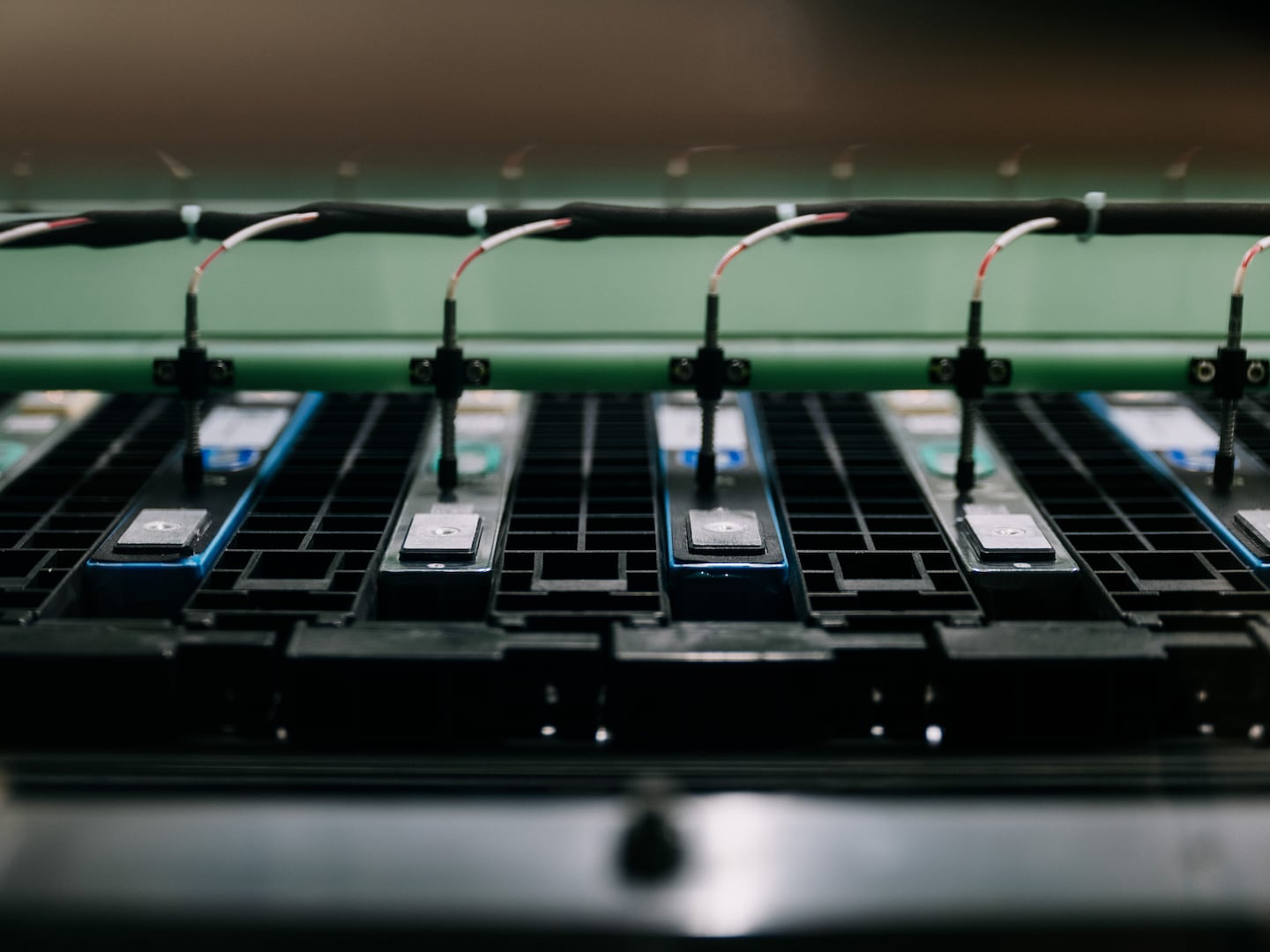
The slowdown in the electric vehicle market is hitting local battery developers that are working on cutting-edge power storage technologies.
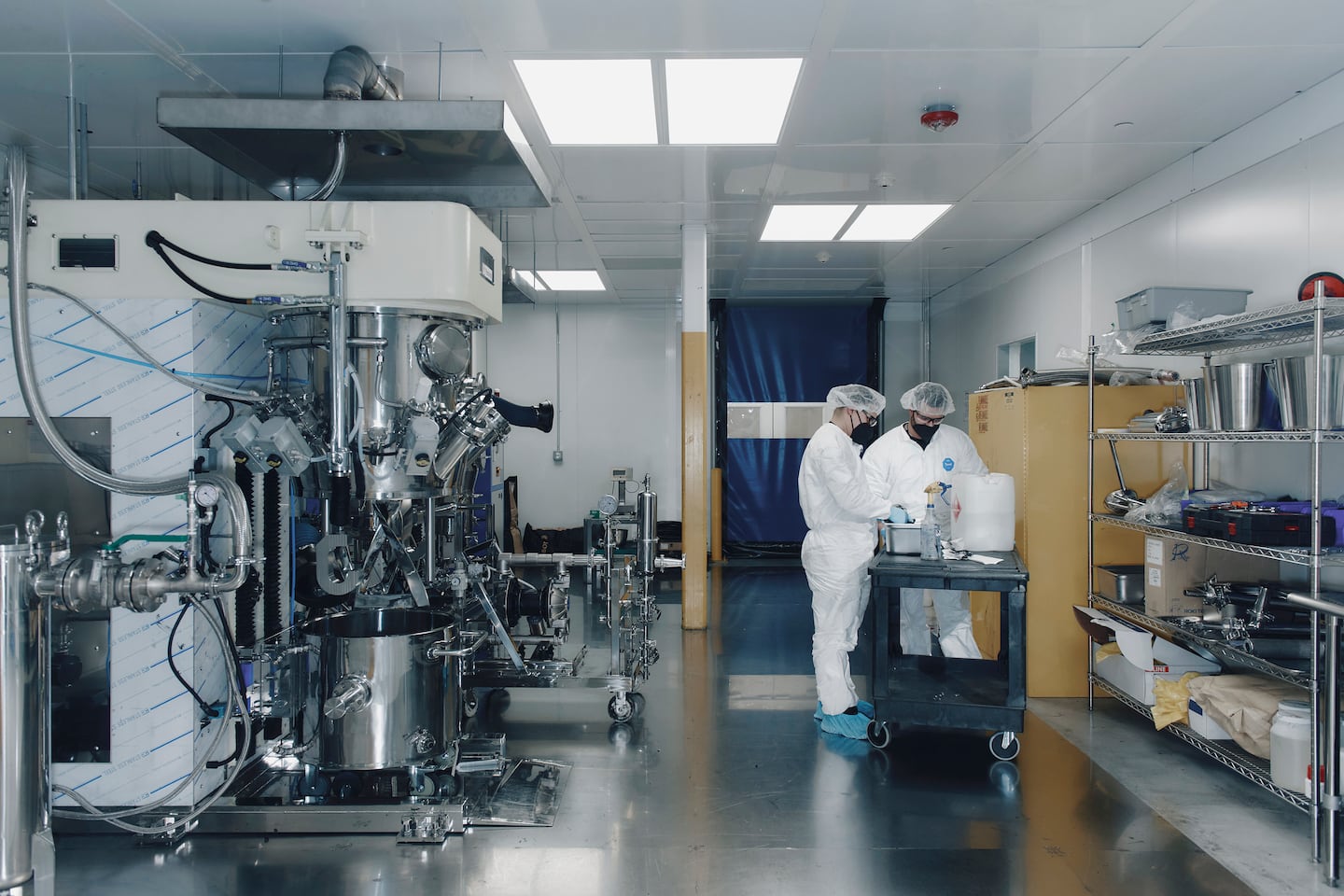
SES AI in Woburn is ending projects to develop EV batteries and shifting its focus to batteries for drones and energy storage systems. 24M Technologies in Cambridge conducted extensive layoffs this month and may shut down. And Factorial Energy, also in Woburn, is newly emphasizing batteries for drones even as its car projects continue.
The three companies combined have raised almost $1.4 billion of capital, according to data from research firm Pitchbook. SES and 24M emerged from research at MIT. Factorial’s roots are also in the northeast, as founder, Siyu Huang, started her research at Cornell’s chemistry department.
“There’s no surprise that the EV market is slowing down and almost no automaker is investing in next-gen battery technology,” Qichao Hu, SES founder and chief executive, told analysts earlier this month, after the company disclosed that joint projects it’s running with car makers Honda and Hyundai would soon wind down. “No one is investing in mass scale production of next-gen technology.”
Amid the Trump administration’s sharp turn against electric vehicles over the last 15 months, car makers have canceled billions of dollars of battery plant investments and taken massive write-offs. Honda last year said it was cutting spending on EV programs by more than $20 billion as it canceled a $15 billion battery plant in Canada. Ford, Jeep-owner Stellantis, and General Motors have made similar cutbacks.
The moves come as Trump and Republicans in Congress eliminated consumer subsidies for buying EVs and cut back government support for building clean tech manufacturing plants. At the same time, the administration has made plans to spend billions of dollars on drones for the military, including bolstering US production of drone components and banning imports of Chinese products. That could open the door for American companies to supply the specialized, high-density batteries used in drones.
At SES, Hu argued that the car makers’ cutbacks were not due to any technical shortfalls in SES’s batteries, which use different materials than current EV batteries and aim to hold more energy per pound. “We hit all the technical milestones,” Hu said.
Shares of SES, which had already plummeted more than 80 percent since the company went public in 2022, have dropped another 36 percent to less than $1.10 since announcing the end of its automaker trials on March 4.
Analysts don’t expect demand to revive unless the EV market picks up again. The end of the trials at SES “signals an official exit of this segment until [the] EV market returns in the future,” Deutsche Bank analyst Winnie Dong wrote in a report.
At Factorial, the company has continued working with car makers while raising new funding this month to develop batteries for drones and robots. Factorial, which plans to go public later this year, said last year that a “lightly modified” test vehicle from Mercedes powered by its batteries traveled about 750 miles on a single charge.
But the entire industry working on new battery technologies has yet to prove it can produce cost-effective break throughs, according to UMass Lowell professor Frank Tredeau, who has worked on EV electronics for decades.
“The companies that tried to make them grossly underestimated how hard it would be to make a good battery at a good price that will last and be reliable and affordable,” Tredeau said. “They greatly underestimated what a challenge that was.”
And 24M has “effectively shut down,” battery engineer Frank Fan posted on LinkedIn last week, after widespread layoffs (Fan did not respond to a request for comment). Chief executive Naoki Ota, a pioneer who helped develop the first lithium ion batteries decades ago in Japan, did not respond to requests for comment but chief financial officer Richard Chleboski said the company was weighing its future.
“24M is considering all strategic and financial alternatives,” Chleboski wrote in an email to the Globe.
The 24M shutdown was reported earlier by The Information.
The startup’s technology aimed to pack more energy in each battery cell at a lower cost, while making the packs less likely to catch fire — a major downside of current lithium ion batteries.
As recently as January, 24M was showing off its high-density batteries for drones at the CES consumer electronics show in Las Vegas.
Aaron Pressman can be reached at [email protected]. Follow him @ampressman.
Source link