India’s transition to electric mobility is no longer a distant vision—it is unfolding rapidly across cities, highways, and industrial corridors. However, one of the biggest challenges underpinning this shift is the need for reliable, efficient, and locally engineered EV charging infrastructure.
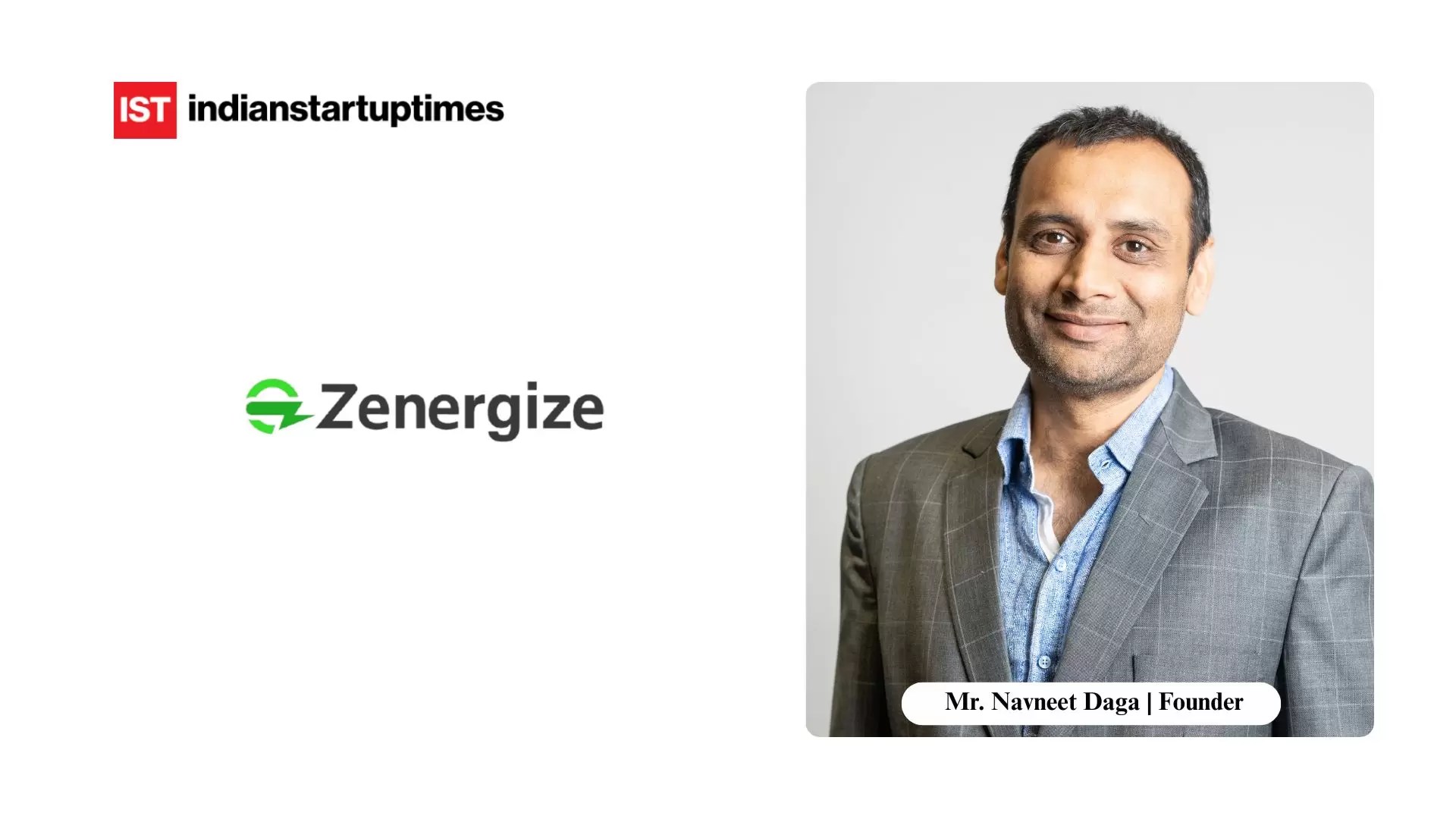
Addressing this critical gap is Zenergize, a deep-tech startup focused on building advanced power electronics solutions tailored specifically for Indian conditions. Founded by Navneet Daga and Veer Karan Goyal, the company is taking a fundamentally different approach—designing and manufacturing its technology stack in-house rather than relying on imported systems.
In this interaction, the founders share insights into their journey, technological innovations, and long-term vision for India’s EV ecosystem.
Identifying the Gap in India’s EV Ecosystem
For Veer Karan Goyal, the inspiration behind Zenergize stemmed from years of experience working in power electronics across sectors such as solar PV and Indian Railways. This exposure gave him a clear understanding of what robust, high-reliability systems should look like.
However, when he examined India’s EV charging landscape, a glaring issue stood out. Most of the chargers deployed in the country were originally designed for European or Chinese environments—conditions that differ significantly from India’s extreme heat, heavy usage cycles, and frequent grid instability.
As a result, many systems struggled with performance issues, including throttling during peak temperatures and interruptions caused by voltage fluctuations.
Recognising both the problem and the opportunity, the founders set out to build a company that could deliver power electronics engineered specifically for India’s realities—not just adapted for them.
Building a Deep-Tech Company from the Ground Up
From the outset, Zenergize made a deliberate choice to develop its entire technology stack in-house. This includes everything from hardware design and firmware development to PCB layout, thermal modelling, and manufacturing.
This approach, while significantly more challenging, enables tighter integration across all layers of the system. In power electronics, where performance and reliability depend on how well different components work together, this level of control becomes a critical advantage.
The company has also adopted advanced semiconductor technologies such as Silicon Carbide (SiC) MOSFETs, which offer significantly lower switching losses, higher efficiency, and superior thermal performance compared to traditional silicon-based components.
This allows Zenergize’s systems to achieve efficiency levels close to 98.5% while maintaining stability even under demanding operating conditions.
Engineering for Indian Conditions
A defining aspect of Zenergize’s philosophy is its “India-first” approach to engineering. Rather than modifying global designs, the company builds its products from scratch with Indian environments in mind.
Its EV chargers are capable of operating at full capacity even at temperatures as high as 55°C—well above the limits of many conventional systems. Additionally, they are designed to withstand grid fluctuations without interrupting active charging sessions and can automatically restart after power outages.
This focus on real-world performance ensures higher uptime and reliability, both of which are critical for the widespread adoption of electric vehicles.
Innovation Across EV Charging and Solar Solutions
Zenergize’s technological capabilities extend beyond EV chargers into solar inverter systems, reflecting its broader expertise in power electronics.
On the EV side, the company has developed proprietary DC fast-charging modules using advanced power conversion topologies that optimise energy efficiency while minimising losses. It has also built critical subsystems such as insulation monitoring devices and intelligent PLC-based controllers in-house.
In the solar segment, its inverters leverage SiC-based architectures combined with HERIC topology—an advanced design known for high efficiency in grid-tied systems. These systems are further enhanced by proprietary MPPT algorithms that maximise energy extraction under varying environmental conditions.
Together, these innovations form a tightly integrated technology stack designed for long-term, real-world performance.
A Strategic Shift Towards Electrification
For Navneet Daga, the transition from management consulting to the EV and power electronics sector was driven by the scale and significance of the opportunity.
With experience in banking, financial services, and operational roles, he recognised electrification as a structural shift that would define the next decade of industrial and technological growth in India.
The EV ecosystem, in particular, presents a massive opportunity—not just in terms of vehicle adoption, but in building the underlying infrastructure and technology capabilities required to support it.
Building a Domestic Manufacturing Ecosystem
One of the key challenges in India’s EV charging industry is the heavy reliance on imported technology. Many products are either fully imported or assembled from imported kits, limiting domestic value creation.
Zenergize aims to change this by adopting a hybrid manufacturing approach. While it collaborates with global OEMs for highly specialised components, it actively works with Indian vendors for components such as inductors, resistors, and enclosures. For certain critical elements, the company also undertakes in-house manufacturing to ensure performance control.
This approach not only enhances product reliability but also contributes to building a robust domestic power electronics ecosystem—aligned with India’s broader self-reliance goals.
Differentiation Through Technology Ownership
A key differentiator for Zenergize lies in its complete ownership of the technology stack. Unlike companies that rely on third-party systems, Zenergize’s in-house capabilities allow it to diagnose issues faster, implement updates seamlessly, and continuously optimise performance.
This translates into higher uptime, better customer support, and greater flexibility in meeting diverse market requirements.
Additionally, its products are designed to deliver consistent performance under extreme conditions—an essential requirement in the Indian context.
Funding and Growth Journey
Early in its journey, Zenergize raised a $2 million seed round from investors including Mohit Tandon and Himanshu Aggarwal. This funding played a crucial role in building the company’s R&D capabilities and establishing its technological foundation.
Beyond financial support, the investors have contributed strategic guidance, helping the company scale its operations and strengthen its organisational structure.
The Road Ahead for EV Infrastructure in India
India’s EV ecosystem is currently at a pivotal stage, driven by strong policy support, increasing consumer adoption, and government initiatives such as the PM E-DRIVE scheme.
Over the next five years, the demand for reliable, high-performance charging infrastructure is expected to grow significantly. At the same time, expectations around uptime, efficiency, and durability will continue to rise.
Zenergize aims to position itself at the centre of this transformation by building technology that is not only locally manufactured but also globally competitive.
A Shared Vision for the Future
The strength of Zenergize’s founding team lies in the complementary expertise of its co-founders. While Veer Karan Goyal leads technology and product innovation, Navneet Daga focuses on organisational building and execution.
Together, they are working towards a long-term vision of establishing India as a global leader in power electronics—not just as a manufacturing hub, but as a centre for innovation and engineering excellence.
As the clean energy transition accelerates, the role of power electronics will only become more critical. Through its focus on deep-tech innovation and India-first design, Zenergize is positioning itself to play a meaningful role in shaping the future of electric mobility and sustainable energy in the country.
Interview Conducted by : Arushi Agarwal