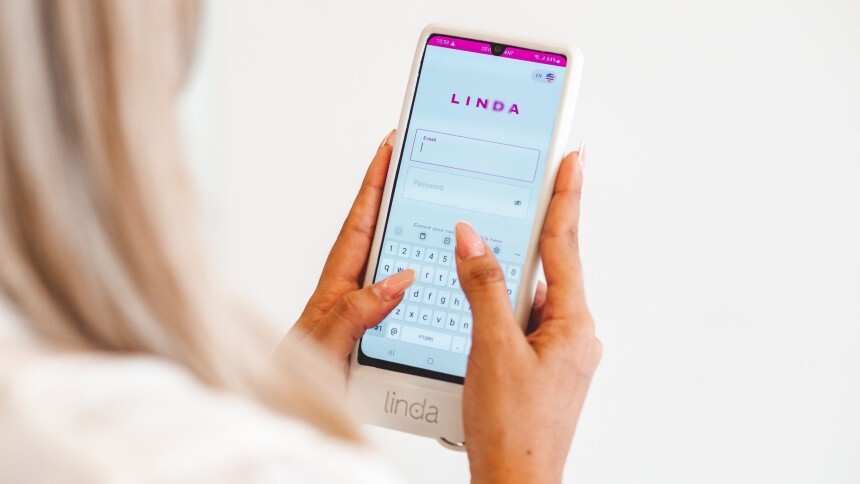
A little over two years ago, Linda Lifetech decided to leave Brazil for Canada . The move from São Paulo to Toronto, taking patents and the brand license with it, was motivated by the assessment that, in the northern hemisphere, it would have the support it lacked in Brazil to advance its proposal to create a technology for the early detection of breast cancer .
This decision proved to be the right one. After difficulties raising funds in Brazil, depending on family and friends and the founders to finance its activities, the healthtech company managed to raise institutional capital for the first time.
The company raised R$10 million in a seed round led by Sky River Ventures, a Boston-based venture capital fund focused on deeptech , healthtech, and applied science solutions, in which it was valued at US$5 million post-money.
This is an unprecedented amount for Linda in its eight years of existence, and it will allow the company to move beyond mere survival and advance its plans for internationalization and consolidation in the Brazilian market.
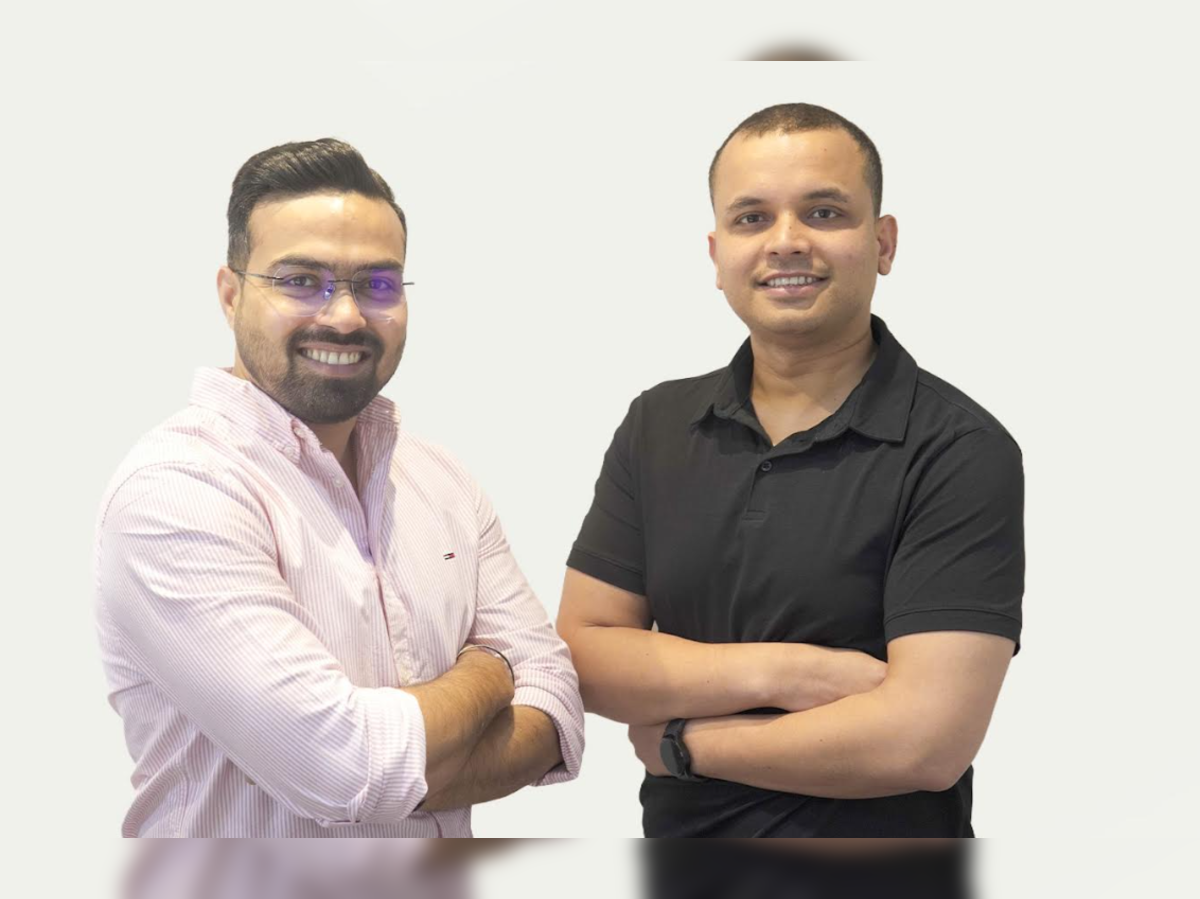
“We used to joke that we always took small flights, less high and shorter, because our quilt was always shorter: you’d pull it and uncover your feet,” says Rubens Mendrone, CEO of Linda, to NeoFeed . “Now we have a 24-month execution timeframe and we will move forward with our plans over the next two years.”
Among the objectives is obtaining regulatory licenses in the United States and Canada to open the North American market, something the company hopes to achieve next year. Mendrone emphasizes that approval by the FDA, the American regulatory agency for drugs and food, paves the way for other global markets.
A second objective, linked to obtaining licenses in the United States and Canada, is to conduct clinical studies of the technology in partnership with the Princess Margaret Cancer Centre, the fifth largest cancer research center in the world, located in Canada.
The idea is to validate with the institute, a global reference in cancer treatment, the data that already indicates that the technology is safe and capable of detecting breast cancer early. In the first clinical trial, with 322 women in São Paulo , Paraíba, and Ceará, published in 2023, Linda’s solution showed effectiveness.
“Conducting a long, three-year clinical trial with the robustness that they have will place us on a higher technical and scientific level,” says Mendrone. “This will give us more credibility in the medical and scientific community and will support our requests for regulatory expansion.”
Another priority is gaining traction in Brazil, where Linda has held Anvisa certifications since 2020 and is a source of the company’s revenue, with annual turnover currently around R$ 12 million.
The expansion plan progressed slowly due to a lack of resources. Linda serves five client groups – governments, hospitals, private clinics, insurance companies, and pharmacies – including Grupo DPSP and Rede Pró-Vida, in Rio Grande do Sul.
Mendrone states that the fundraising and expansion plans are occurring at a more mature stage for the company, with established governance and processes. He emphasizes that the low valuation of the round reflects the choice to bring in investors specializing in healthcare to the cap table , rather than seeking a higher valuation.
“We went from being a startup that didn’t know if it would still exist the following month to being a startup with a board and a robust investor structure,” he says.
Much of this evolution came from the move to Canada. While the new address forced Linda to restructure its corporate and legal base and improve its product to compete with local players, Mendrone says the company was “embraced” by both the public and private sectors.
In addition to partnering with the Princess Margaret Cancer Centre, Linda was included in the Creative Destruction Lab (CDL) accelerator, which specializes in science and technology, and received support from the Canadian Cancer Society.
The Canadian government also embraced the idea, connecting the company with the Swiss government, which resulted in an agreement to conduct tests of Linda’s technology in three cantons (equivalent to states) of the country.
With this support, Linda has left the difficulties behind and is beginning to envision the future after the 24 months guaranteed by the seed round. For Mendrone, the next step should be a Series A round to raise approximately R$ 30 million.
“The outcome of the tests, regulatory approval, and revenue growth will allow us to consider a Series A funding round to finance the new growth cycle, focused on North America and Europe ,” he states.