Korea’s most closely watched fintech decision has entered unexpected limbo. What was meant to mark the start of a regulated tokenized securities market has instead become a test of policy integrity. The delay of Korea’s STO licensing verdict now stands as more than a procedural pause—it is a moment of reckoning for how the nation defines fairness, credibility, and innovation governance.
The FSC Defers STO Licensing Decision Amid Fairness Concerns
South Korea’s Financial Services Commission (FSC) has delayed its final decision on the nation’s first Security Token Offering (STO) over-the-counter trading platforms, extending uncertainty across the country’s digital finance sector.
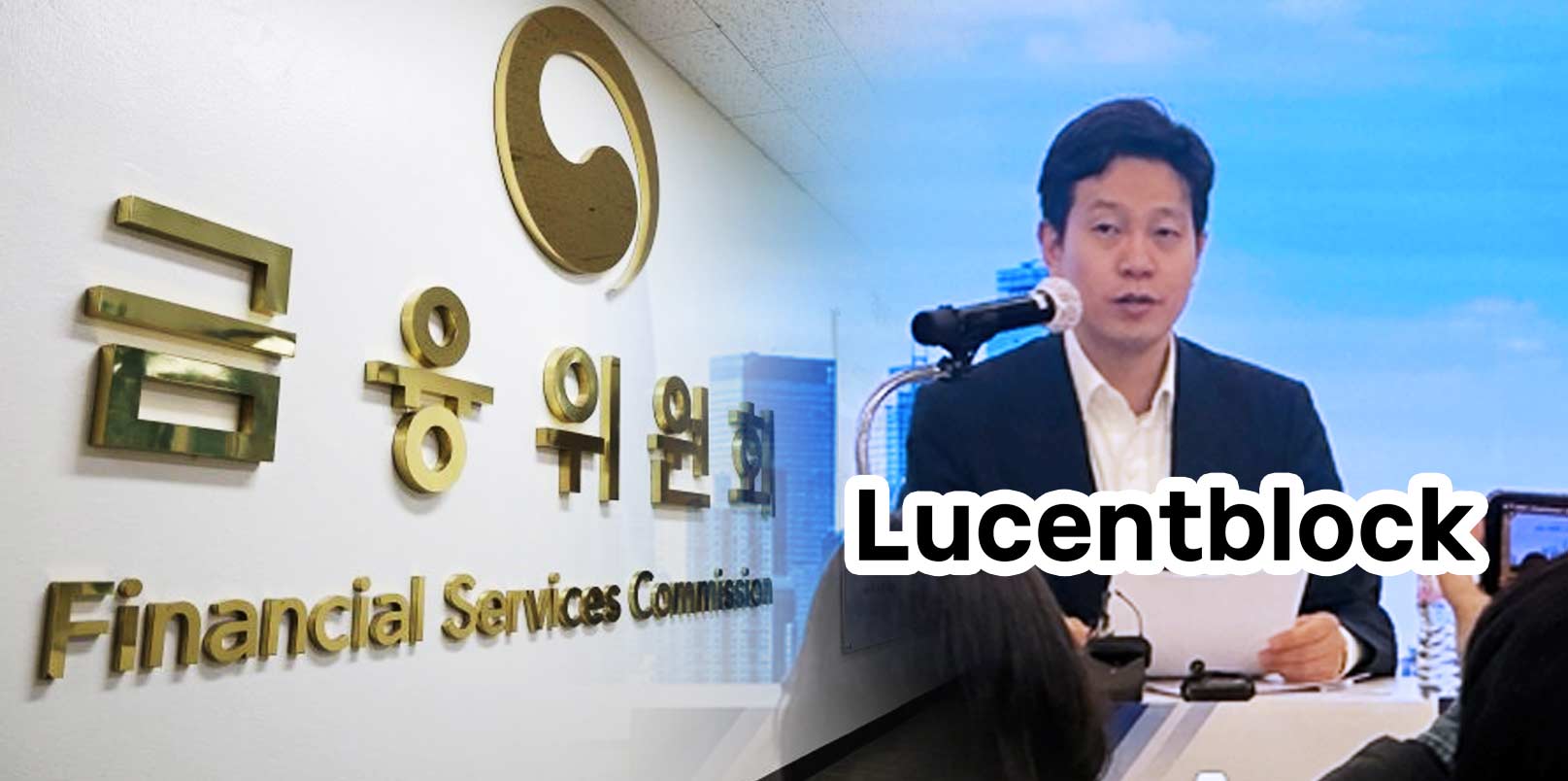
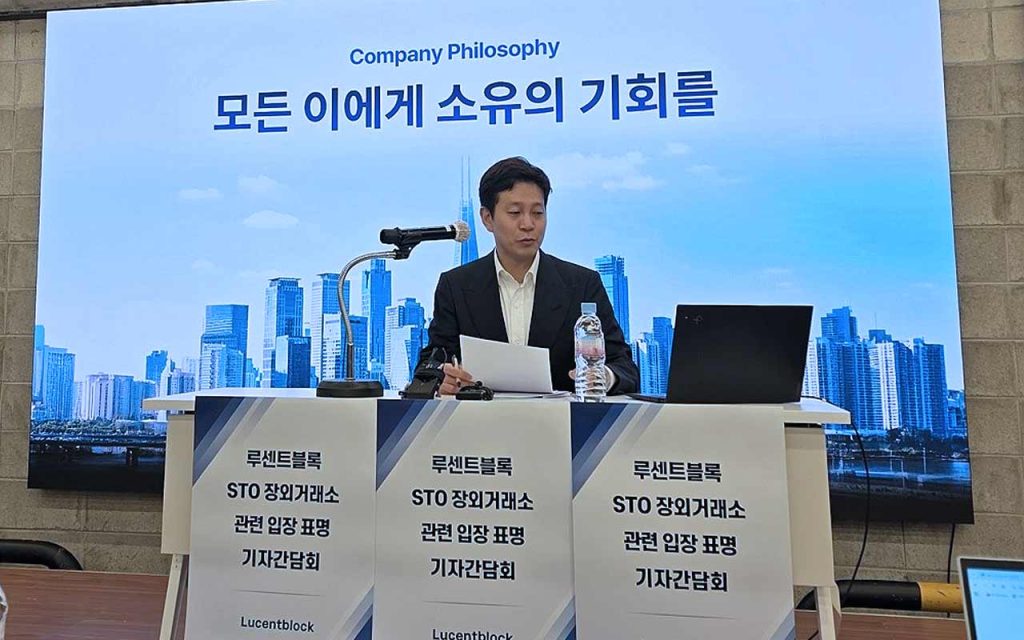
The outcome, initially expected during the FSC’s January 14 meeting, was withheld following public concerns over fairness and procedural transparency raised by Lucentblock, a fintech startup that pioneered Korea’s real estate tokenization market.
The FSC did not include the agenda item in its regular session, citing the need for further review. The decision halts what was expected to be the conclusion of a months-long licensing process involving three major consortiums — Korea Exchange–KOSCOM (KDX), NexTrade–Musicow (NXT), and Lucentblock’s SoU consortium.
Industry insiders indicate that the delay reflects growing sensitivity to criticism over unequal evaluation criteria and possible conflicts of interest between established financial institutions and startups nurtured through the government’s own regulatory sandbox program.
Historical Context: A Market Built on Experimentation Faces Its First Policy Stress Test
Korea’s STO policy framework was designed to institutionalize the regulatory sandbox system introduced in 2018 under the Special Act on Financial Innovation Support.
Lucentblock became one of its earliest success stories, operating the real estate tokenization platform SoU and achieving over 500,000 users and KRW 30 billion in asset issuance.
The company’s work helped validate the STO market’s commercial potential, prompting authorities to formalize licensing structures in 2025. However, as the process evolved into a competition dominated by financial consortia, startups that once pioneered these services found themselves at a disadvantage.
Lucentblock argued that this structural shift undermined the original purpose of Korea’s innovation policy — turning an ecosystem meant for inclusive experimentation into one favoring institutional incumbents. The deferral now reopens the discussion on how Korea should manage this transition phase from sandbox trial to regulated infrastructure.
Stakeholder Reactions Reflect Broader Institutional Sensitivity
Following the delay, Lucentblock CEO Heo Se-young released a statement supporting the regulator’s cautious stance while reaffirming commitment to the process.
He said,
“We understand and respect the financial authorities’ careful review. If additional materials or clarifications are required during re-examination, we will respond with full cooperation.”
The Lucentblock CEO also emphasized that the decision’s eventual outcome should “faithfully reflect the intent and purpose of the Financial Innovation Support Act,” underscoring the need to protect legitimate innovators who entered the sandbox in compliance with national policy.
The NexTrade–Musicow consortium, meanwhile, had previously expressed concern that prolonged delays could hinder the STO industry’s operational rollout, warning that “further postponement risks dampening momentum across the entire fractional investment sector.”
Political voices have also emerged. Lawmakers such as Kwon Chil-seung, Chair of the Democratic Party’s SME Special Committee, reiterated that excluding sandbox-certified startups from institutional participation could “undermine the credibility of Korea’s innovation framework.”
Implications for Korea’s Innovation Credibility and Market Confidence
The delayed verdict has now become a broader credibility test for Korea’s financial innovation governance. While the FSC’s decision to pause indicates responsiveness to fairness concerns, it also highlights a deeper policy challenge: balancing investor protection with equitable access for early innovators.
Analysts note that this episode mirrors a recurring dilemma in Korea’s fintech evolution — the difficulty of aligning institutional oversight with entrepreneurial inclusion. The country’s sandbox successfully encouraged early experimentation, yet its graduation mechanisms remain unclear, leaving startups exposed once large institutions enter the same markets.
That is why the current stalemate signals both progress and hesitation for foreign investors observing Korea’s regulatory direction. The pause reflects maturity in process, but prolonged indecision risks weakening confidence in Korea’s ability to provide a predictable innovation environment.
If the FSC manages to restore transparency and balance in its final ruling, Korea could reinforce its position as a credible regional leader in tokenized securities.
But if the outcome ultimately reinforces institutional dominance at the expense of pioneering startups, it may reinforce perceptions that Korea’s innovation ecosystem rewards scale over originality.
What Lies Ahead in Korea’s STO Licensing Journey
The FSC is expected to revisit the issue in an upcoming regular session after additional internal review.
Now, Lucentblock’s next few weeks will decide not only its operational survival but also the credibility of Korea’s startup protection framework. As for policymakers, the decision represents a pivotal moment: an opportunity to demonstrate that the nation’s pursuit of financial stability can coexist with the preservation of innovation trust.
The fate of this case will eventually shape how founders, investors, and foreign partners view Korea’s credibility in governing technology-driven finance — a credibility that now depends not on speed, but on integrity.
– Stay Ahead in Korea’s Startup Scene –
Get real-time insights, funding updates, and policy shifts shaping Korea’s innovation ecosystem.
➡️ Follow KoreaTechDesk on LinkedIn, X (Twitter), Threads, Bluesky, Telegram, Facebook, and WhatsApp Channel.