Gasgoo Munich – As the EV startup sector enters deeper waters, collapses and restructurings have become commonplace.
In January 2025, Hycan Auto became the first startup to fall that year. It was further proof that the market’s elimination game is accelerating: once a company’s cash flow dries up or sales lag, the outcome is rarely in doubt.
Yet just a year later, a player is preparing to re-enter the fray. January 2026 could mark the emergence of the year’s first “resurrected” EV startup: HiPhi.
In reality, HiPhi has spent the past two years searching for a lifeline. From self-rescue maneuvers to entering pre-reorganization bankruptcy, and finally courting investors to restart production, every step the company has taken has been driven by harsh necessity.
Now, with key developments emerging in the bankruptcy restructuring of its parent company, Human Horizons, a question looms: Has HiPhi moved from “standstill” to “restart,” or perhaps even “rebirth”?
A check of HiPhi’s official website reveals it is fully operational, with test drives still available for booking—though the model lineup remains frozen in 2023.
How HiPhi Fell
HiPhi’s collapse was not sudden.
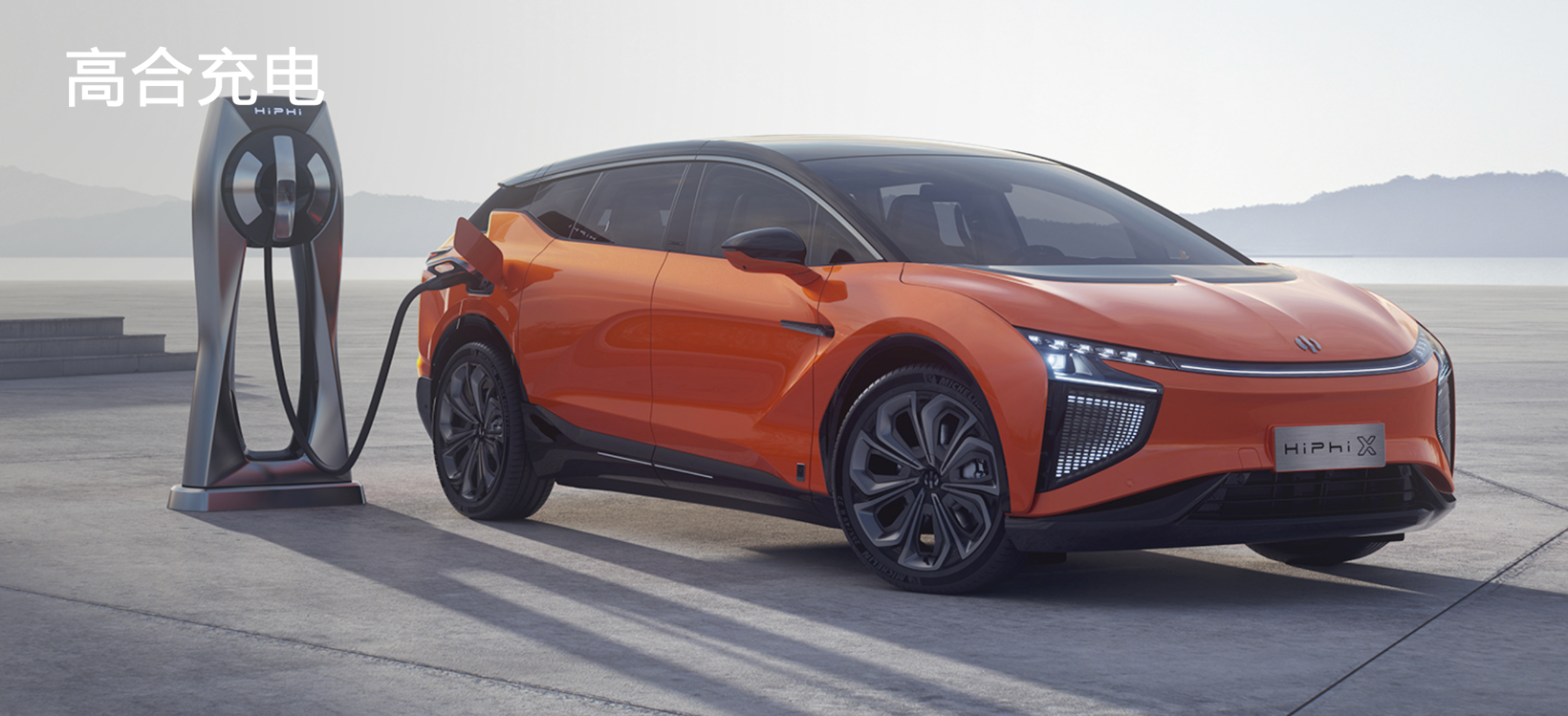
Founded in 2019 by former SAIC Motor vice president Ding Lei, HiPhi positioned itself in the high-end luxury smart EV market. Its debut model, the HiPhi X, launched in September 2020 with a price tag ranging from 570,000 to 800,000 yuan.
The pricing and positioning certainly generated buzz—and brand recognition—at the time. Rather than chasing value-for-money, HiPhi aimed to differentiate itself in the luxury pure-electric sector with striking designs and cutting-edge features.
The challenge, however, is that a premium positioning demands exceptional operational strength. High-end buyers prioritize reliable delivery, after-sales support, product maturity, and brand trust. If a company stumbles in supply chain management, funding, or organization, patience among luxury consumers evaporates far faster than in the mass market.
By 2023, HiPhi was sliding into an operational crisis as financial strain collided with a shifting market. Competition in the new-energy sector was intensifying, and price wars were deepening. At the same time, consumer appetite for expensive pure-electric vehicles was waning, with mainstream demand pivoting toward family-oriented practicality and value.
Meanwhile, leading brands were leveraging their scale to widen the gap in technology, distribution channels, and cost control.
Image Source: HiPhi
Against this backdrop, the strain on HiPhi’s operations became increasingly concentrated in its cash flow. By early 2024, the crisis had fully erupted. In February, the company halted production, plunging into a six-month “rescue period.”
During this time, founder Ding Lei actively chased external funding while executives even turned to livestreaming sales in a bid for self-rescue. Severance packages were clarified to preserve a final shred of corporate dignity. Yet from a business perspective, these measures served only to delay the inevitable collapse rather than offering a fundamental turnaround strategy.
HiPhi subsequently ceased operations and entered pre-reorganization proceedings. Analysts argue that its plight was not merely a lack of capital, but the result of product cadence, market fit, and organizational resilience being tested—and found wanting—by fierce competition.
By August 2024, its parent, Human Horizons (Jiangsu) Technology Co., Ltd., had filed for bankruptcy. In April 2025, a court in Yancheng Economic Development Zone ruled to merge 52 companies, including Human Horizons, into a substantive restructuring. The debt load is heavy: records show 2,462 ordinary creditors with claims totaling roughly 12.48 billion yuan, alongside secured claims of about 1.16 billion yuan.
Who Is Bringing It Back?
As HiPhi lay dormant, capital intervention became the decisive factor in its potential return. According to the “Draft Reorganization Plan” and business registration records, the resurrection is driven primarily by an injection of international capital and the reintegration of local manufacturing resources.
The temporary administrator of Human Horizons has officially released the “Draft Reorganization Plan” to all creditors. It signals that this luxury EV brand, long in the “ICU,” may be the first automaker to get a second chance at life in 2026.
The current draft indicates two prospective investors are in substantive negotiations. While no final decision has been made, previous capital maneuvers have already offered a glimpse of the direction.
In May 2025, a new entity named Jiangsu HiPhi Automotive Co., Ltd. was registered in Yancheng, with Canadian EV maker EV Electra holding a 69.8% stake and Human Horizons retaining 30.2%. Despite subsequent hiccups involving funding and legal procedures, this model—backed by overseas capital and supported by local government coordination of production capacity—has become the foundation for HiPhi’s revival.
Image Source: HiPhi
Investors see value in HiPhi for three main reasons:
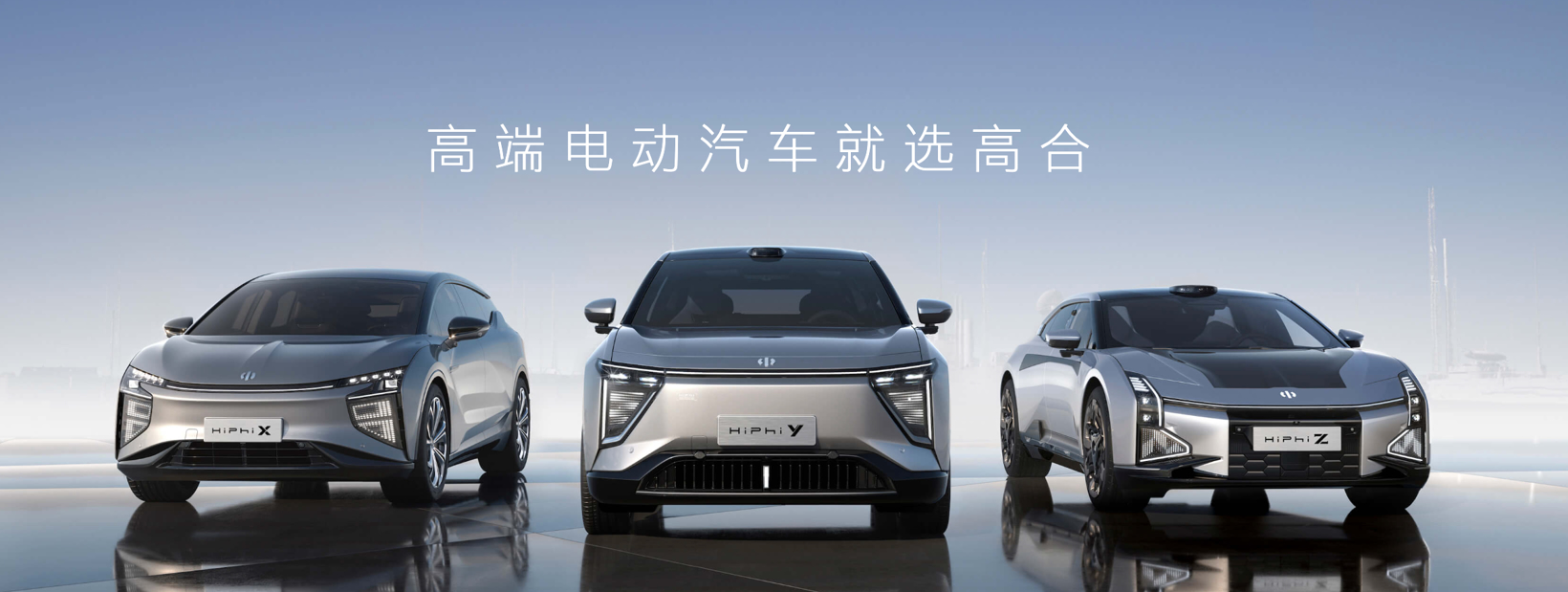
First, there is the production capacity and market access qualifications in Yancheng. In the second half of 2025, the former HiPhi Yancheng factory launched an “intelligent green technology upgrade” with an investment of roughly 17.96 million yuan. The project aims not only to maintain an annual capacity of 150,000 units by refitting the Yueda Kia production line, but also to focus production on the next iterations of the HiPhi X, Y, and Z models.
For investors, HiPhi offers a ready-made, highly automated manufacturing base—saving significant time compared with building a factory from scratch.
Second is the brand premium and export potential. While domestic sales stumbled, HiPhi’s avant-garde design still offers a competitive edge overseas—particularly in the Middle East and parts of Europe. The bet is that investors can leverage HiPhi’s premium positioning to create a “Chinese solution” for high-net-worth markets abroad, securing technological premiums and a global footprint.
Finally, a critical “debt-for-equity” plan is clearing the financial hurdles for revival. The draft reveals nearly 2,500 creditors with total claims exceeding 12 billion yuan. Under the current plan, priority obligations—such as employee claims and taxes totaling roughly 630 million yuan—will be paid in full via investment cash.
The vast majority of ordinary claims will be converted into equity in the new company. The restructuring proposal calls for full cash repayment for claims under 30,000 yuan, with larger amounts eligible for partial cash repayment or conversion into shares. It is expected that over 80% of claims will eventually be converted into equity.
The cost of HiPhi’s resurrection, then, is a profound redistribution of its debt and equity structures. While the company earns a reprieve, its future operations will now be shaped by a complex web of relationships involving new shareholders, creditors, and the supply chain.
For HiPhi, the release of the restructuring draft is merely the first step out of the intensive care unit. The real challenges remain: whether production can genuinely resume, how the supply chain will be rebuilt, and how to win back the trust of a customer base that has already drifted away.
Source link