Milan-based healthtech startup closes $2.2 million (€2 million) pre-seed round to build a preventive way of managing obesity.
Robin Health has raised $2.2 million (€2 million) in pre-seed funding to scale a digital-first, preventive approach to obesity care. The Milan-based startup is building a platform designed to support long-term behavior change alongside clinical care — a model that matters in longevity terms, because obesity remains one of the strongest accelerants of cardiometabolic disease and compressed healthspan.
The round was led by Step Fund, marking the fund’s first investment following its initial closing at the end of 2025. While early-stage in size, the deal reflects growing investor interest in solutions that treat obesity not as a short-term medical episode, but as a long-term condition with deep implications for healthspan and aging.
For Step Fund, backing Robin Health is both a strategic and symbolic move. The fund focuses on seed-stage Italian startups with global ambitions, and its leadership team brings decades of experience building, scaling and exiting technology companies across Europe.
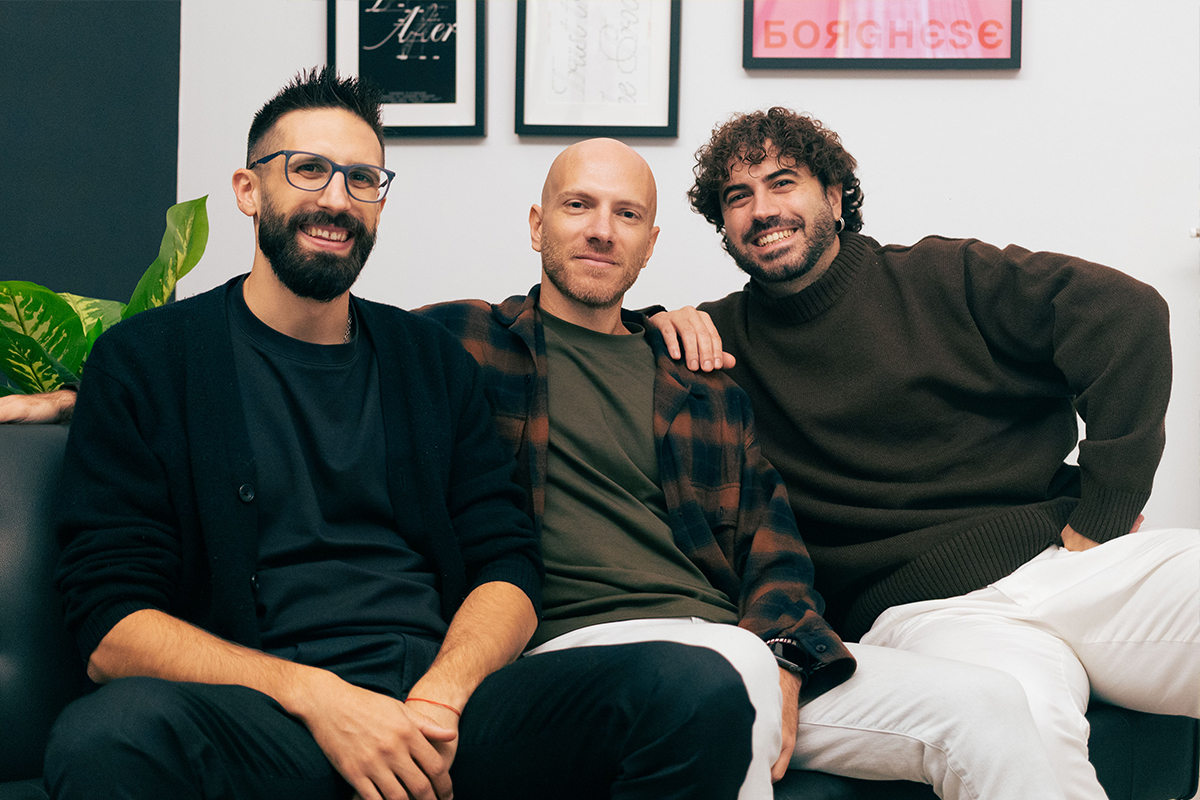
There is also history. Step Fund’s team has known Robin Health’s founders – Giacomo De Lorenzo, Michele Giannotta, and Nicholas Parini – for nearly ten years. The trio previously founded Moneymour, which was acquired by Klarna in 2020, and later helped scale the fintech unicorn internationally. That shared journey helped build trust, but the investment thesis goes beyond founder pedigree.
Maria Imbesi, a partner at Step Fund, noted that the intersection of artificial intelligence and healthcare is poised to be one of the most promising sectors for venture capital investment in the near future.
“Robin Health is a solid example of this evolution, which is why we have decided to invest in them through Step Fund,” she said.
Obesity and overweight are no longer niche health concerns. By 2035, more than 4 billion people, about 51% of the global population, will be living with excess weight. The projected economic impact is $4.32 trillion per year worldwide, a figure that captures not only medical costs but also lost productivity and the long-term strain on public systems.
In Italy, the consequences are already visible. Obesity is linked to an estimated 64,000 deaths annually, about 10% of total mortality, driven by more than 200 associated chronic diseases. These conditions account for roughly €13.3 billion each year, around 9% of the National Health Service budget, before considering indirect costs like absenteeism and reduced productivity.
From a longevity perspective, the issue is clear. Obesity shortens healthspan, increasing the risk of cardiovascular disease, type 2 diabetes and other age-related conditions. Managing it earlier and more effectively can mean not just living longer, but living better.
Robin Health was founded to challenge the idea that obesity can be addressed through occasional advice or isolated interventions.
“We often hear that we just need to eat less and exercise more, but obesity is a complex condition with genetic, hormonal and environmental causes,” said co-founder Giacomo De Lorenzo.
The platform focuses on what happens between doctor visits. It brings together behavioral patterns, basic biometric signals and clinical inputs, then translates that information into clear, usable insights for healthcare professionals. Rather than drowning users in data, Robin Health acts like an interpreter, turning raw signals into guidance that can actually shape decisions.
The goal is continuity. Instead of treating obesity as a series of disconnected moments, the platform supports people over time, adjusting as habits, treatments and circumstances change.
The obesity treatment landscape is changing rapidly with the rise of GLP-1 receptor agonist drugs. Patient adoption is expected to grow from around 10 million people in 2024 to more than 100 million by 2030. These therapies have reset expectations, but they are not a standalone solution.
Evidence suggests that when drug therapy is paired with active engagement on a digital platform, outcomes improve significantly, especially in the early stages of treatment. A useful analogy is navigation: medication may be the engine, but without a map and regular course corrections, progress can stall.
This is where Robin Health positions itself, not as a replacement for clinicians or therapies, but as the connective tissue that helps treatments work as intended in real life.
The funding comes amid rising investment in digital therapeutics and wellness platforms, driven by demand for tools that are intuitive, personalized and easy to integrate into existing care pathways. The broader healthtech market is increasingly focused on prevention, data-driven insight and long-term engagement.
Robin Health plans to expand beyond obesity after consolidating its first vertical, aiming to become a platform for ongoing health management. For the longevity sector, that ambition resonates. Sustainable health is rarely the result of a single breakthrough; it is built through consistent support, informed choices and systems designed for the long run.