




January has seen a surprisingly strong start to Australian funding for 2026.
This week has certainly continued that trend with $197.4 million invested across sectors as diverse as auto, legaltech, manufacturing, period products and more.
AutoGrab: $80 million
Melbourne-born tech company AutoGrab leads this week’s startup funding round-up with an $80 million capital raise that gives it a valuation of $230 million.
Related Article Block Placeholder Article ID: 330564
As reported by SmartCompany, the investment round was led by UK investor Octopus Ventures and New Zealand venture capital firm Movac. Other participants in the round included Premier Capital Partners and existing investors, EVP and Ten13.
AutoGrab was founded five years ago by co-CEOs Daniel Werzberger and Chris Gardner as a platform to help car dealerships, insurers and fleet managers keep track of vehicle data and valuations.
The platform gives dealers access to real-time car values based on national average selling prices, and fleet managers can get insights into when they should trade-in or sell vehicles.
The company says it is now working with more than 1,000 dealerships across Australia. It also operates in New Zealand and Malaysia, and is making early moves into the UK market.
Applied EV: $57 million
Melbourne-based self-driving car company Applied Electric Vehicles revealed it has raised $57 million in new funding this week, with the National Reconstruction Fund (NRF) contributing just over $30 million to the round.
Related Article Block Placeholder Article ID: 330599
As reported by SmartCompany, the funding boost could mean that self-driving cars without seats, windows or steering wheels could be manufactured in Australia within the next 12 months.
The NRF’s investment in Applied EV represents its first in the transport sector, and is expected to help the company add another 25 employees to its staff of 113.
Barrenjoey and Japan Post Capital also participated in the Series B funding round, which will accelerate the company’s production of its Blanc Robots, which look like vehicles that have been cut in half.
The robots are made from a Suzuki chassis and feature proprietary components and software manufactured and installed in Australia. They have been designed to be used in industrial, commercial and logistics businesses.
Read more.
Checkbox: $35 million
Australian legaltech startup Checkbox is preparing to scale its AI-powered platform for in-house legal teams after securing $25 millions in Series A funding.
Related Article Block Placeholder Article ID: 330655
The Checkbox platform is designed to act as a central intake layer for legal teams and uses automated workflows to replace fragmented and manual processes.
The startup, which was founded in 2016 by Evan Wong, James Han and Paul Wenck, was bootstrapped for two years before raising $1.77 million in angel investment in 2018, followed by $6.3 million in a pre-Series A round in 2022.
The new Series A round was led by Touring Capital, with participation from Peak XV (formerly Sequoia Capital India), Conductive Ventures, Tidal Ventures and Five V Capital, alongside angel investors.
Co-founder and chief product officer James Han said Checkbox aims to turn everyday legal requests into “institutional expertise”, and the new funding will fuel this vision.
Checkbox is already being used by more than 100 enterprise customers, including Telstra, Woolworths, Coca-Cola, Xero, Hitachi and more.
Read more.
Hometime: $19 million (sort of)
Decade-old Sydney property management and short-term rentals platform Hometime has topped up its coffers once more with a mix of venture capital and debt totalling $19 million.
Once again, the company did not reveal details of the split between cash and borrowings, which also included debt refinancing with the Commonwealth Bank.
The VC side was led by Craig Burton’s Verona Capital, supported by a phalanx of 15 existing backers as well as family offices.
Hometime, founded in 2016 in Perth, kicked off with its capital raising in 2017 with $1.5 million from Martin Dalgleish’s Asia Principal Capital, followed by $6 million in debt and equity from OneVentures in mid-2019, then topped it up a few months later with $4.5 million from NAB Ventures and AS1 Capital.
In 2024, another $10 million hit the bank account from Sydney-based Fifth Estate Asset Management for a buying spree. After acquiring Sydney-based Hey Tom in 2018, Hometime snapped up two rival short-term-rental platforms, Host My Home in Cairns and bnbpal in Melbourne.
The company now looks after more than 3500 properties, from apartments to resorts and beach houses, in dozens of locations across Australia. It manages its own properties, as well as collaborating with Airbnb hosts.
Hometime manages everything from cleaning to booking inquiries, property maintenance and marketing.
Co-founder Dave Thompson left the business in August 2024 after 10 years and now runs Freedom Ventures.
Read more on Startup Daily.
Factory: $4.69 million
Manufacturing process management platform Factory has raised $4.69 million in a Series A round for its US ambitions.
The round was led by Shearwater Capital, with support from US investor Martin Tobias and existing backers Investible, Adrian DiMarco and Beachhead Capital.
The Sydney software startup previously raised $1.05 million in a 2023 seed round led by Investible.
Factory helps fabrication and manufacturing businesses manage jobs from quote to delivery and purchasing.
The capital will be used to increase product and engineering capacity, expand the go-to-market team,
and for US expansion, kicking off in Texas.
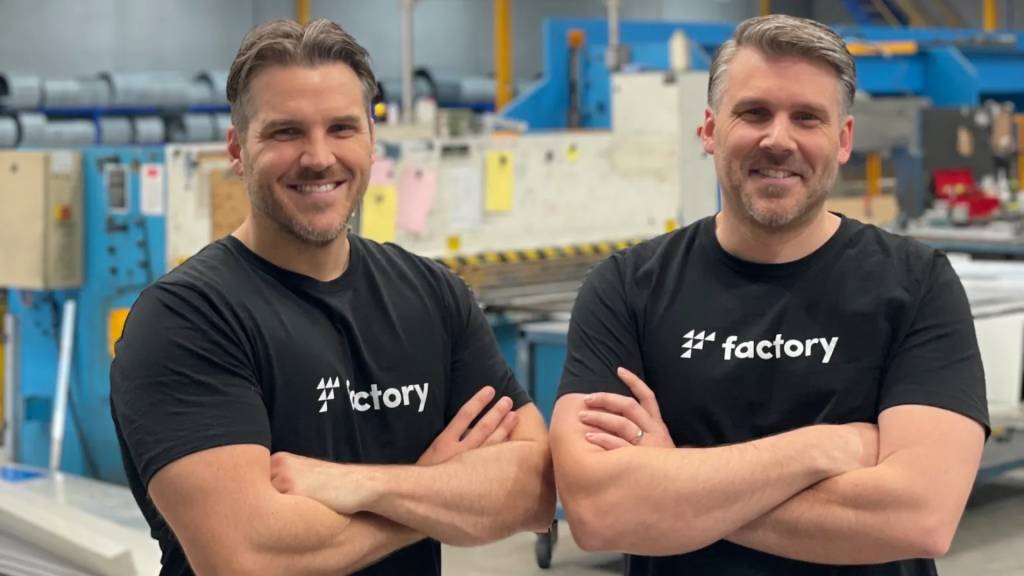
Brothers Paul and Michael Lutkajtis founded Factory in 2021, inspired by their own family’s fabrication business.
Read more on Startup Daily.
On the House: $1.7 million
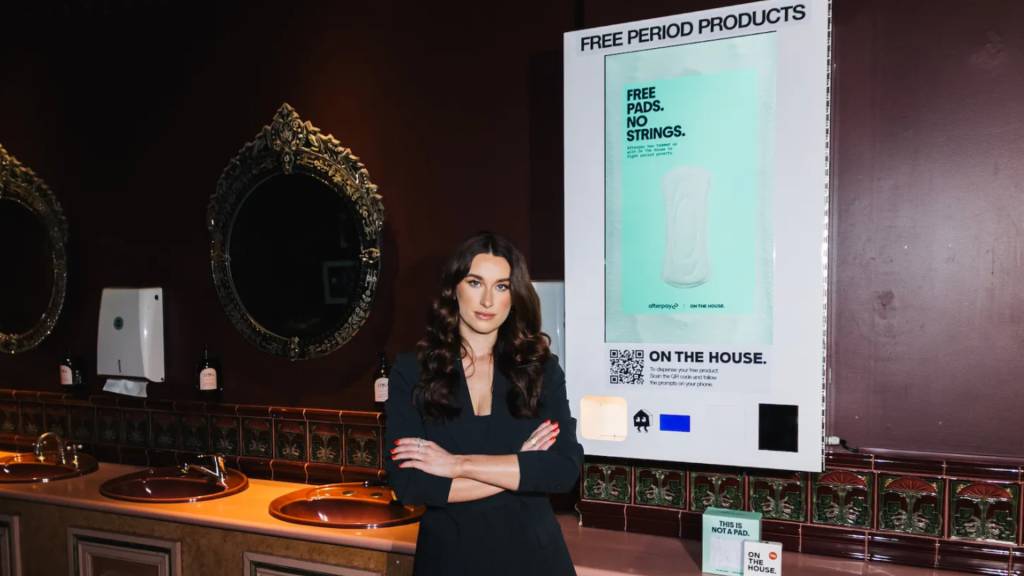
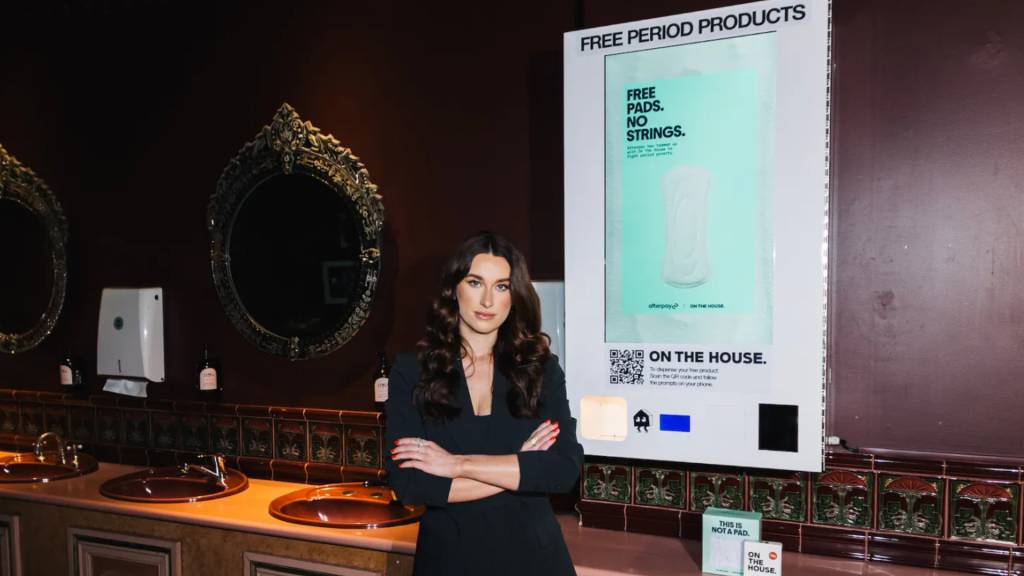
Brisbane-based Startmate alumnus Remy Tucker, 26, has landed a $1.7 million seed round for her startup On the House to offer free period products in public bathrooms.
The round was led by WA VC Purpose Ventures, supported by UniQuest Extension Fund and Startmate.
On the House installs digital dispensers in women’s bathrooms, providing free, organic and biodegradable period products, funded by digital advertising on the dispensers.
Tucker, a former student midwife turned marketer, said the idea came from noticing what was missing in everyday environments.
“The problem starts in communal bathrooms,” she said.
“Three in five women are using makeshift solutions for period products when caught out in emergencies. Toilet paper is accessible in public bathrooms, but never period products. I wanted to build a solution that was sustainable, scalable and didn’t rely on ongoing grants or donations.”
Read more on Startup Daily.
Source link