Seed-stage fintech activity in Central and Eastern Europe has shifted toward infrastructure, automation, and embedded financial workflows. Rather than competing directly with large consumer-facing (neo)banks or payment apps, many newly founded companies in the region are building operational layers: account-to-account connectivity, AI-driven financial processing, and decision-support systems.
Below are five early-stage fintech companies from CEE founded in the past few years that have raised seed or pre-seed funding and are currently building products in payments, investment intelligence, and financial operations.
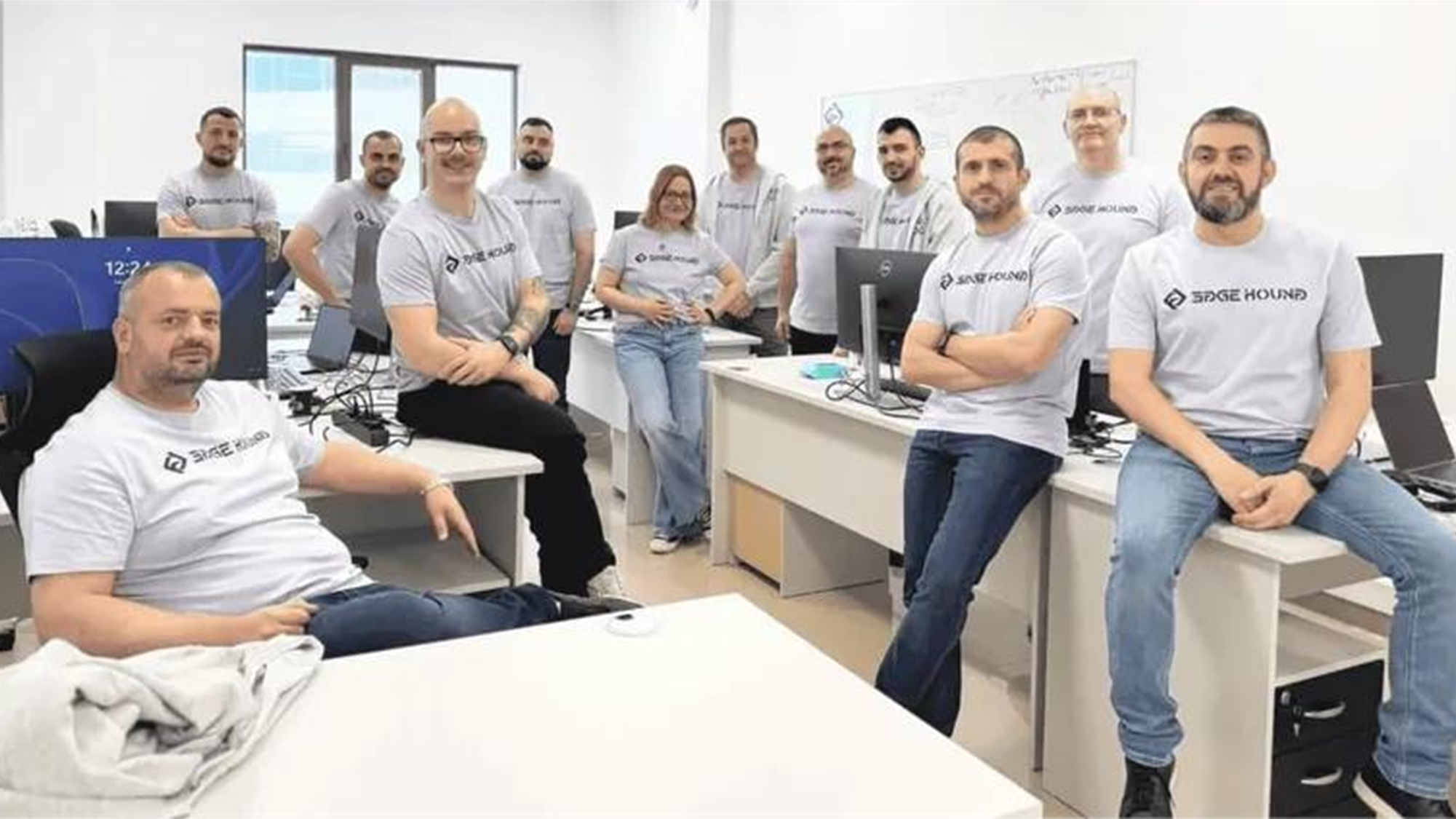
Edge Hound
Edge Hound is building AI-driven investment intelligence infrastructure aimed at retail and emerging professional traders who face institutional-scale information flows but lack institutional research tools. The Bulgarian company is bootstrapped with approximately €1.5M and is targeting around 20,000 users by end of Q1 of 2026 as it prepares for its seed round.
Its platform aggregates multiple financial information streams, including news coverage, SEC filings, earnings calls, and social sentiment, and organizes them through a proprietary taxonomy that links entities, events, and narratives across sources. These data streams are processed by AI agents that surface dependencies and emerging signals, converting fragmented market information into structured trade ideas.
Cino
Cino develops real-time shared payment infrastructure that allows groups to split transactions directly at the moment of checkout. The product typically operates through virtual payment mechanisms connected to individual bank accounts, eliminating post-transaction reimbursements.
The company raised €3.5M in seed funding in 2025, with Balderton Capital among the investors. Cino is headquartered in Estonia, with the latest funding is expanding across Europe, exploring new segments such as B2B payments and rent.
Kashimi
Kashimi builds account-to-account (A2A) payment infrastructure based on open banking connectivity. Its platform provides API access to European bank payment rails, enabling regulated financial institutions and fintech providers to initiate bank transfers without relying on card networks.
In 2025, Kashimi raised approximately $1.36M in pre-seed funding from investors including Coinvest Capital, Impellent Ventures, Plug and Play, and angel backers. The company was founded by Benas Pavlauskas and operates from Lithuania.
Profluo
Profluo develops AI-driven automation software for financial operations, focusing on invoice processing, accounting document management, and transaction reconciliation. The platform integrates with accounting systems to automate financial workflows for businesses.
In 2025, Profluo received a €500k investment from BCR Seed Starter, the venture arm of Banca Comercială Română. The company operates from Romania and targets SMEs and corporate finance teams.
Compass AI
Compass AI builds financial management software for small and medium-sized businesses, providing tools for cash flow forecasting, cost monitoring, and financial planning. The platform aggregates financial data to generate automated reports and forward-looking projections.
The company secured approximately €500k in seed funding from Fil Rouge Capital. Compass AI is headquartered in Croatia and focuses on financial planning solutions for SMEs.
The next wave of fintech infrastructure
What stands out in this cohort isn’t another consumer fintech wave, but a concentration around infrastructure: account-to-account payments, finance automation, investment intelligence, and operational financial tooling. These companies are generally starting with narrower products, smaller rounds, and more technical positioning than the previous generation of European fintech startups.
This reflects a broader shift in the region. CEE fintech increasingly shows up in the layers that connect systems, automate financial workflows, or interpret financial data rather than in front-end banking brands. That pattern has been consistent across the region’s stronger fintech successes and appears to be continuing with the newest seed-stage companies.