India youth are emerging as the driving force behind the EV revolution, contributing through innovation, awareness, and value-driven career choices.
Every generation leaves behind a signature as a reflection of what it stood for. Finer air to breathe, lesser noise to bother, and greater responsibility to be taken while moving ahead-this is what this generation of India stands for. Most discussion around EVs takes into account policy shifts, global climate targets, or big money investing. However, at the crux of this change is an often-overlooked group: the young minds of India, home to a fifth of the world’s youth population, which could create a demographic dividend playing a critical role in achieving the nation’s economic and sustainability ambitions.
For many young Indians, EVs aren’t a “choice” or a “movement.” It’s simply the most obvious way forward. Unlike older generations who had to unlearn their preferences, today’s youth are starting from scratch with a fresh lens. Their first vehicle could well be an electric scooter. Their first job could be with an EV startup. Their first invention could be an energy-efficient drivetrain.
In their college years, students across the country are preparing their own prototypes, retrofitting petrol bikes to electric ones, erecting solar-powered charging stations, and developing open-source energy management software. From engineering labs to Instagram posts, from ITI classrooms to college fests, young Indians are engaged in creating applicable, inventive, and heartfelt kinds of electric mobility.
In fact, student projects and EV-focused campus clubs have become more active in 2025, with over 50+ institutes participating in national-level EV innovation challenges and hackathons. Several student groups have even received funding from state governments for campus-built EV charging models.
Not Just Engineers, Also Campaigners
What makes this EV revolution stand out is that it’s not limited to tech-savvy engineers. Students have grown active in their towns and cities in awareness campaigns regarding why EVs matter and why the immediate change matters. EV clubs on campus organise rallies and print magazines. They invite experts to speak and discourse, acting as source points for people interested in EVs.
At a national level, initiatives like the Shaurya Bharat EV Rally, which took place in mid-2025, were run by and for the youth, covering 800 km across northern India in electric vehicles while training over 5,000 students on clean mobility. And, here’s the real kicker, today’s youth aren’t just along for the ride, they’re behind the wheel. This is their planet, their future, and honestly? They’re not about to let someone else drive.
Careers That Reflect Their Values
India’s EV sector today offers something that very few industries do, which is a chance to build a career that reflects your values. And young people are noticing. From design and software to supply chain and customer experience, they’re opting for roles that align with their ideas of sustainability and innovation.
India’s EV sector is offering something rare, a career that actually reflects their values. Young professionals are taking note, gravitating toward roles in design, software, supply chain, and customer experience that speak to their commitment to sustainability and innovation.
In 2025, funding into India’s EV startups crossed $2.1 billion, nearly double the previous year. A major portion of these startups was founded or co-founded by individuals under 35, many of whom started as student entrepreneurs or interns in this space.
Vocational training centres, ITIs, and technical institutes are also catching up. According to government data, over 1.2 lakh students enrolled in EV-specific skilling programs across India in FY25, a sharp rise from 40,000 in FY22.
Technology Meets Purpose
India’s EV sector is where cutting-edge technology stops being just a tool and starts becoming a statement. Every line of code written, every component engineered, and every system designed carries the weight of a cleaner, more sustainable future.
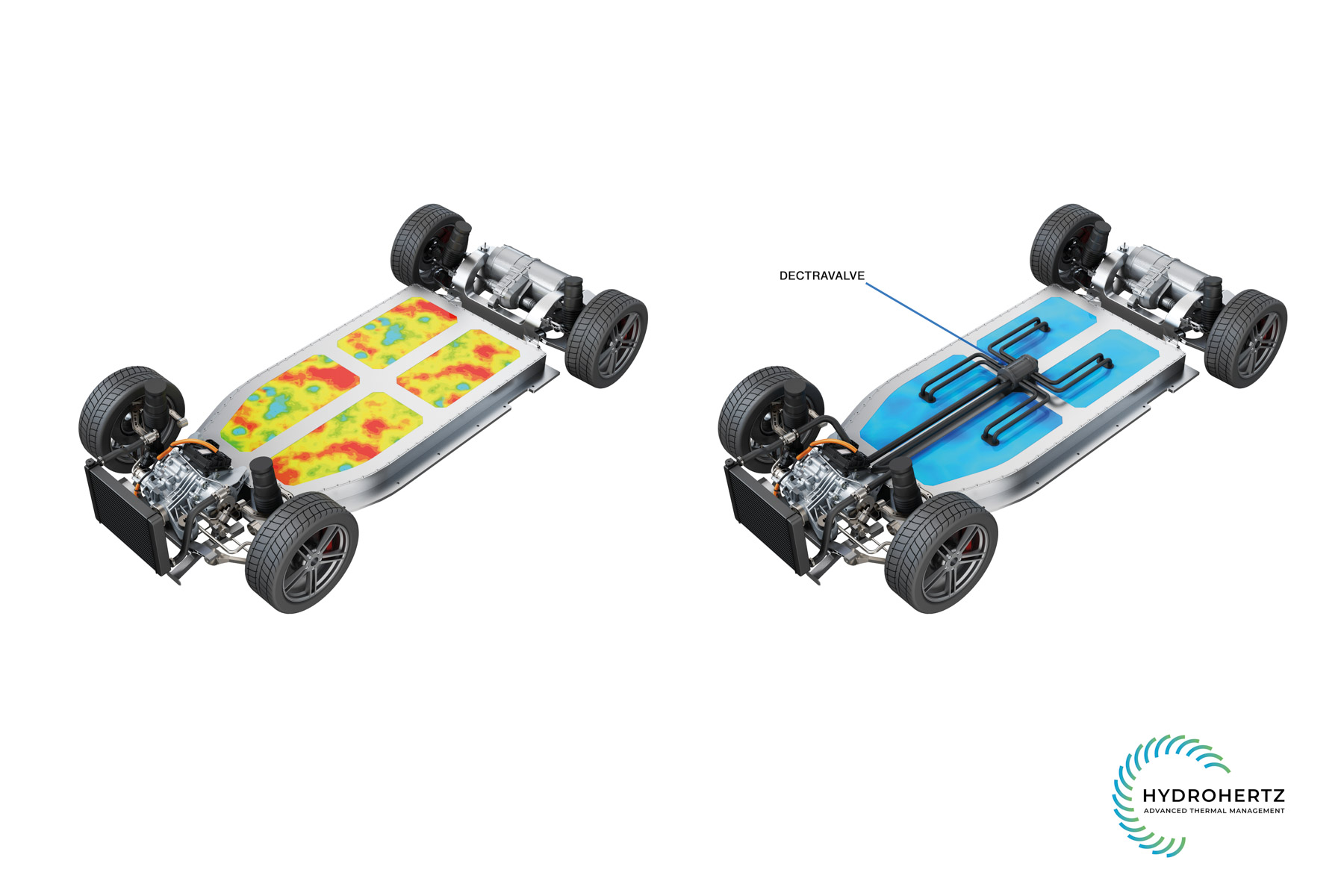
The Indian EV ecosystem is still evolving, but it is full of raw, unpolished potential. Young people love that. They are not afraid to use trial-and-error methods. Many enter this space because they see open gaps that they want to experiment with. Among other activities, the youth are merging practical know-how and clear intent, whether it be toward reengineering battery cooling systems, embedding AI for smart routing, or designing modular vehicles for Indian roads. They understand what building for Bharat means, wherein EVs must work for small towns, congested cities, and rural settings.
Take, for instance, the growing innovation around EV two-wheelers. The first half of 2025 alone realised the sale of more than 6 lakh e-two-wheelers, accounting for 58% of total EVs sold in India. This increase is greatly aided by increasing demand from youngsters, as well as first-time buyers and micro-entrepreneurs. Their feedback directly impacts the design and pricing strategies of most EV brands. And, this isn’t just a career choice for them; it’s a statement, a movement, and honestly, the ride of a lifetime.
What This Means for the Industry
Youth participation isn’t just a piece of India’s EV puzzle, it’s the force that multiplies everything else, from infrastructure and R&D to skill development. If we create more entry points through internships, campus challenges, shared R&D platforms, and micro-funding for student-led ideas, the sector will gain both speed and depth.
There are now around 26,000 public charging stations in India, for nearly 3.5 million EVs on the road. Resolving this mismatch will need the same energy and urgency that the youth are infusing into this issue, particularly through localised, community-driven solutions.
On this International Youth Day, we don’t just celebrate the energy of a generation. We recognise the direction it is heading and the choices it is making. And if we pay attention, we’ll see that their dream is about a future that listens more, wastes less, and moves better.
Ms. Samarpita Banerjee, Chief Human Resources Officer (CHRO), Greaves Electric Mobility (Views expressed are personal)