Katie Weimer, who is a bioengineering doctoral student at Colorado State University and the CEO and co-founder of a startup, GenesisTissue Inc., is working in conjunction with her team to improve women’s healthcare through the regenerative tissue industry.
With a combined two decades of experience in 3D printing and healthcare, the creation of this startup was brought forth with the backbone of the possibility of transforming patient care through regenerative tissue.
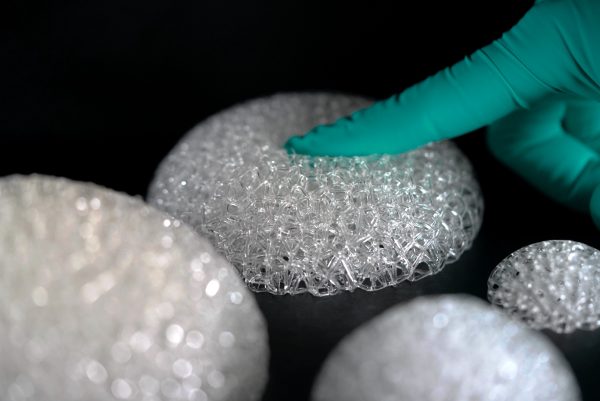
As found on the GenesisTissue website, the company’s first mission is to develop “A degradable, bioprinted breast tissue scaffold personalized for each patient, with the ability to become 100% native tissue in the breast.”
Weimer reflected on her personal journey and what has inspired her throughout the process of the startup, along with where the team is now. She said her mom was diagnosed breast cancer and contemplated whether to get reconstructive surgery — an experience that have become her inspiration for striving to transform patient care.
“One in eight women get breast cancer, and many of them go off to have part of or all of their breasts removed,” Weimer said. “Having lived through that as a kid and seen other friends and family go through that, it really resonated as an area that was perfect for innovation.”
Weimer explained how the technology would eventually become completely native tissue, aligning more with her own lived experiences.
“Printing with more bio-like materials that could be more biomimetic; these new material families that are actually designed for the human body, not legacy industrial materials that we just fit to the human body,” Weimer said.
In order to achieve this goal, the company combines 3D biodegradable printing technologies with biomaterial innovation and personalized design.
Each member of the team has brought a necessary perspective to the development of this first stage. Kianna Young, a biomedical engineer and a member of the GenesisTissue Lab, met Weimer at a previous employer and later followed her to GenesisTissue where she noted the multiple possible applications of the tissue.
“This is just a really fun thing to be part of women’s health,” Young said. “And this regenerative medicine space can also broach into other soft tissue aspects, like pressure ulcers or maybe soft tissue fillers in other parts of the body after trauma or surgical excisions.”
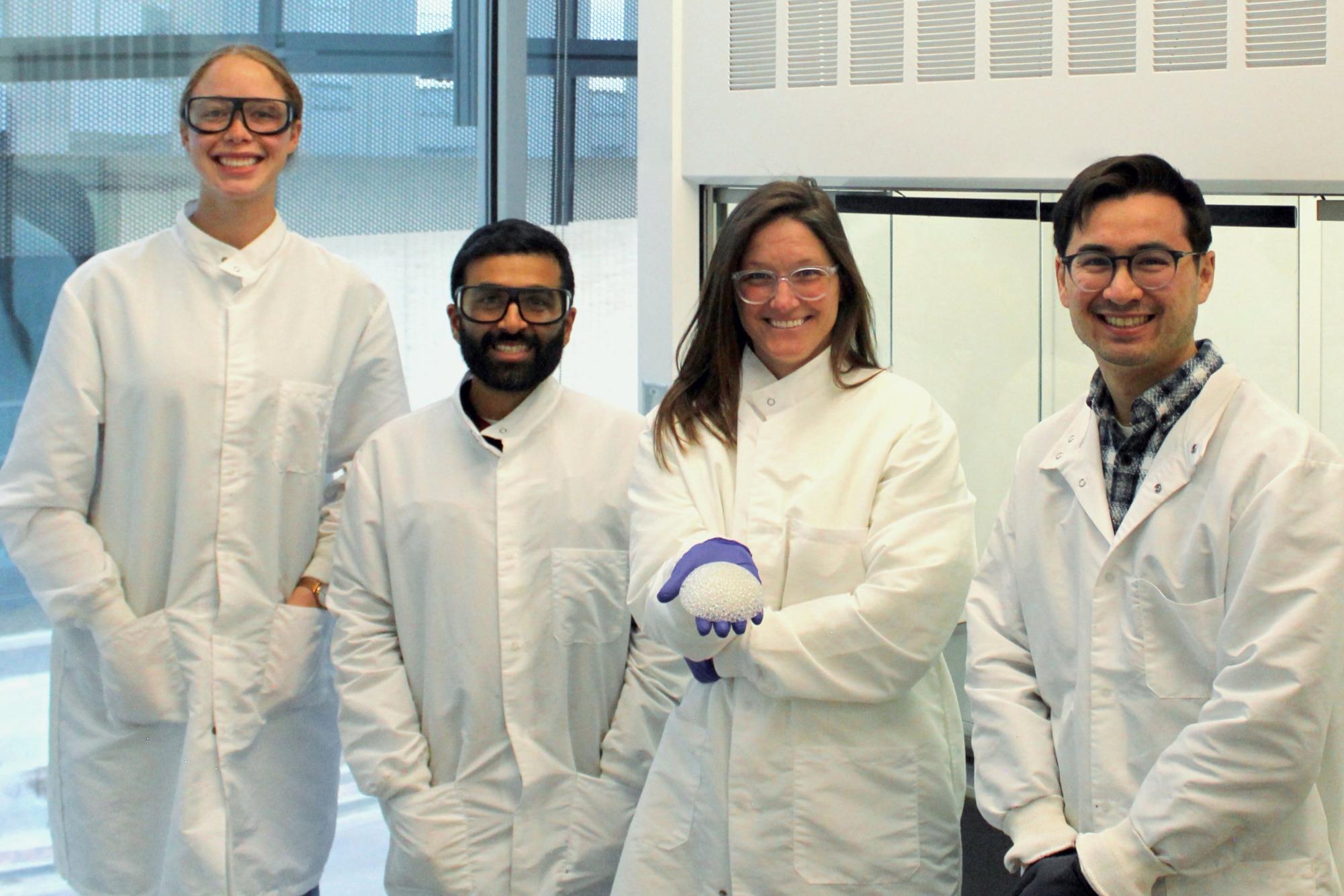
The lab is based at CSU Spur and is primarily made up of a team of four bioengineers and material scientists, all with a collaborative vision for the future of the startup. A common theme among the four was continuous growth and adaptation, all regarding the betterment of healthcare.
“For me, I am at this intersection of material science and 3D printing, and it’s the perfect place that I could be in based on my experience,” said Ameya Narkar, a biomedical engineer and member of the lab. “Just to be able to use your skills to make that difference and drive the field in the right direction is a great experience.”
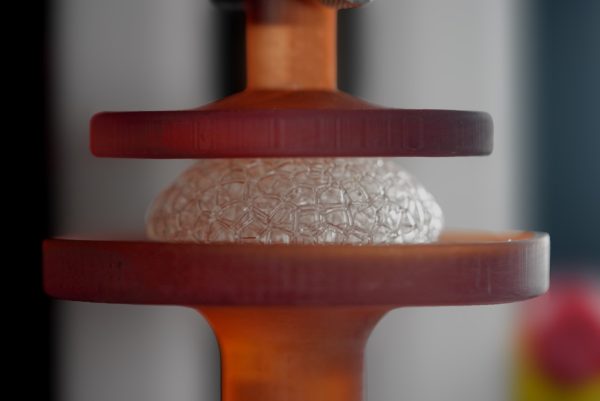
The primary mission of the startup is for a long-term regenerative solution. Specifically, Weimer explained the purpose of the regenerative breast tissue is to provide a safe biodegradable scaffold that mechanically supports injection of cells.
“In our case, it’s lipoaspirate from the patient,” Weimer said. “So you do a liposuction harvest to obtain this fat graft from the patient in the same surgical procedure, and when you place our scaffold inside the patient and you inject this fat graft into it, it’s the patient’s own cells. It’s adipose or fat cells and stem cells and little broken up parts of blood vessels.”
By bridging their combined expertise and Weimer’s previous work in 3D printing, the team has been able to use bioprinting to help bring this startup to life.
“I think 3D printing has enormous implications in the healthcare space, so being on that side of something that could make such an innovative and societal difference is pretty big, powerful,” said Kyle Chin, a materials scientist and member of the lab.
Reach Abby Barson at [email protected] or on social media @RMCollegian.
Source link