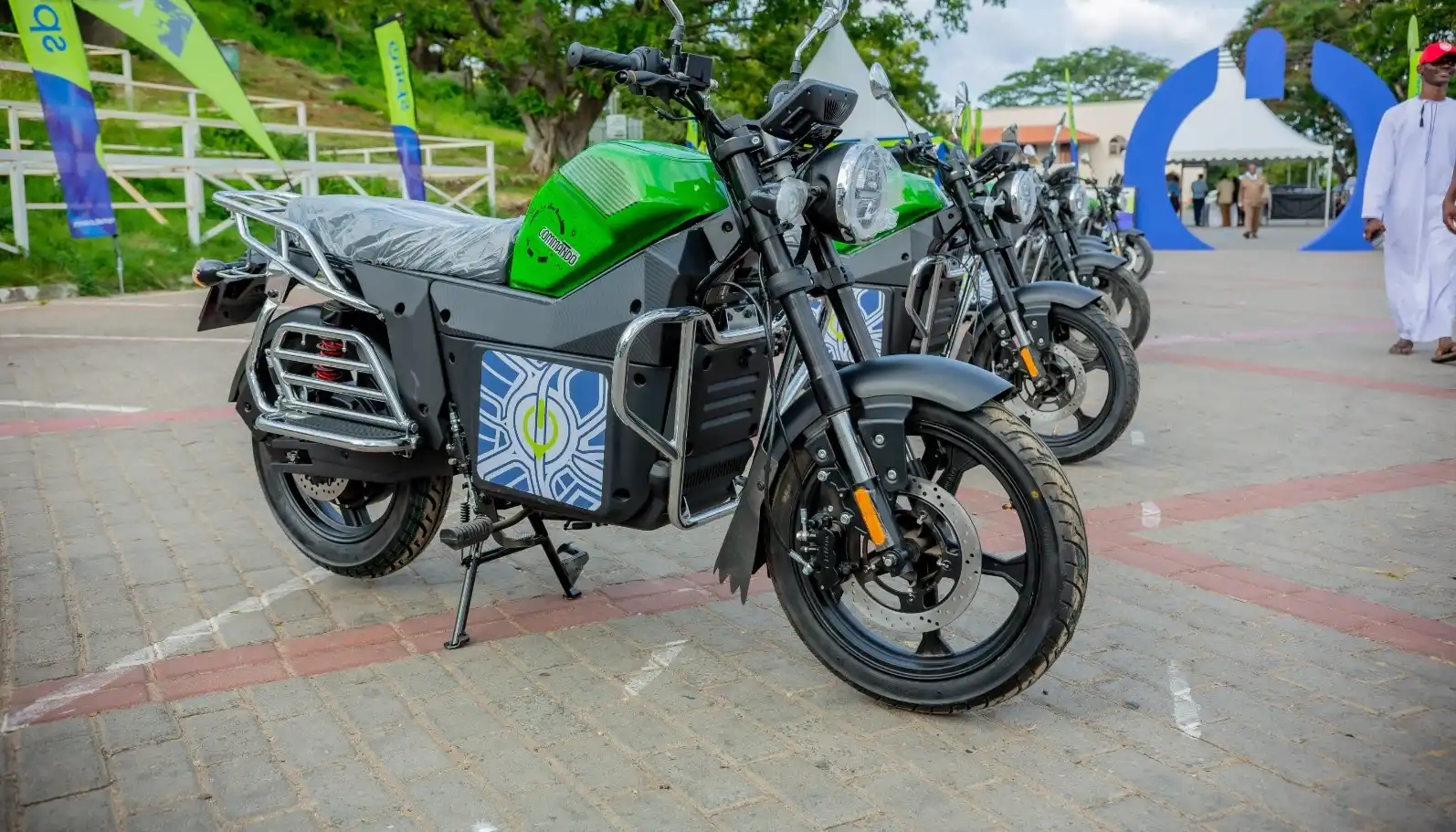
Pan-African electric mobility giant Spiro has secured a monumental $215 million in equity financing, signaling a seismic shift in the continent’s transition away from volatile fossil fuel dependency toward sustainable urban transport.
This capital injection, backed by European and African institutional investors including Impact Fund Denmark and Equitane, arrives at a critical economic juncture. As African nations grapple with soaring pump prices exacerbated by the Middle East crisis and currency depreciation, Spiro’s rapid expansion offers a lifeline to commercial riders. The funding aims to fundamentally alter the economics of public transportation while aggressively driving down urban carbon emissions.
Scaling the Battery-Swapping Ecosystem
Since its founding in 2019, Spiro has distinguished itself by tackling the primary hurdle of electric vehicle adoption: charging downtime. Instead of relying on conventional plug-in chargers, the company built its business model around a vast battery-swapping network. Commercial riders can exchange a depleted battery for a fully charged one in under three minutes, allowing them to remain on the road and maximize their daily earnings.
The newly acquired $215 million will be utilized to densify this critical infrastructure. Currently, Spiro operates roughly 2,500 smart-swap stations across its operational footprint, processing over 100,000 battery swaps daily. The company plans to double its station count to approximately 5,000 by the end of the year, cementing its position as the continent’s dominant electric mobility provider.
The Economic Argument for E-Mobility
The transition from internal combustion engines to electric motors is heavily driven by immediate financial incentives. According to Spiro’s internal data, riders operating their electric motorcycles experience a 25% to 40% reduction in daily operational costs compared to traditional fuel-powered bikes.
- Total new equity financing secured by Spiro: $215 million.
- Active electric vehicles deployed by the company: 100,000 units.
- Operational battery-swapping stations across seven markets: 2,500 stations.
- Estimated daily savings for commercial EV riders: $2 (approximately KES 260).
For a commercial boda-boda operator in Nairobi or Kampala, these savings translate to roughly $2 (KES 260) per day. In economies where profit margins for gig workers are razor-thin, this reduction in overhead can boost daily take-home earnings by up to 40%. This economic relief is particularly potent in Kenya and Nigeria, where recent removals of fuel subsidies and rising global oil prices have sparked widespread public unrest and transport strikes.
Local Manufacturing and Environmental Impact
Beyond mobility, Spiro is positioning itself as an industrial catalyst. The company currently operates manufacturing and assembly plants in Kenya, Rwanda, and Uganda, alongside a state-of-the-art battery recycling facility in Nigeria. Founder and Chairman Gagan Gupta stated that the company aims for 80% of the value addition on their bikes to be localized by the first quarter of next year, creating thousands of green jobs.
The environmental dividends are equally substantial. An independently verified lifecycle assessment of Spiro’s operations in Kenya revealed that their electric bikes deliver a 72% reduction in climate impact compared to fossil-fuel motorcycles. This equates to approximately 19 tons of carbon dioxide emissions avoided over a single vehicle’s lifespan, drastically cutting particulate matter and improving air quality in heavily congested African metropolises.
Strategic Expansion Goals
Currently active in Kenya, Rwanda, Uganda, Togo, Benin, Nigeria, and Cameroon, Spiro is utilizing the fresh capital to broaden its geographic reach. The company has announced imminent plans to enter the Democratic Republic of Congo and Ethiopia, targeting two of the continent’s most populous and rapidly urbanizing nations.
As global investors increasingly align financial returns with measurable climate action, Spiro’s massive funding round underscores the immense commercial viability of the African e-mobility sector. The race to electrify the continent’s transport infrastructure is no longer a distant theoretical goal—it is a heavily capitalized reality reshaping the streets of East and West Africa.