
India’s electric two-wheeler race has been loud. Ola, Ather, Bajaj, TVS — everyone launched multiple scooters, fought for lifestyle buyers, and burned cash on marketing. But River took the opposite bet and it paid off.
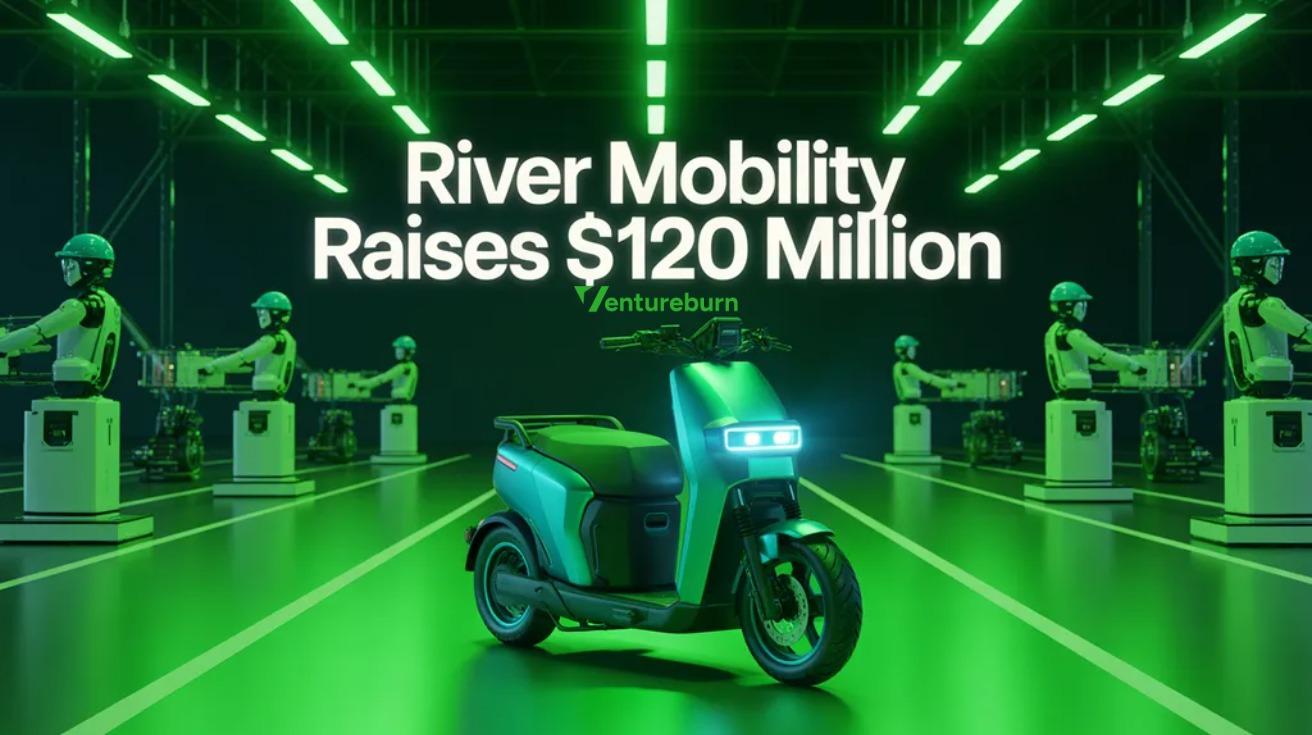
The Bengaluru-based startup, River Mobility raises $120 million in Series C led by Indian investors Elev8 Venture Partners and Claypond Capital. Singularity AMC, Anicut, 360 ONE, JIF, HDFC AMC joined, along with existing backers Yamaha Motor, Al-Futtaim, and Mitsui. Less than 12% was debt. All of it was the primary capital. Total raised is now $144 million.
The Problem River Mobility Solves
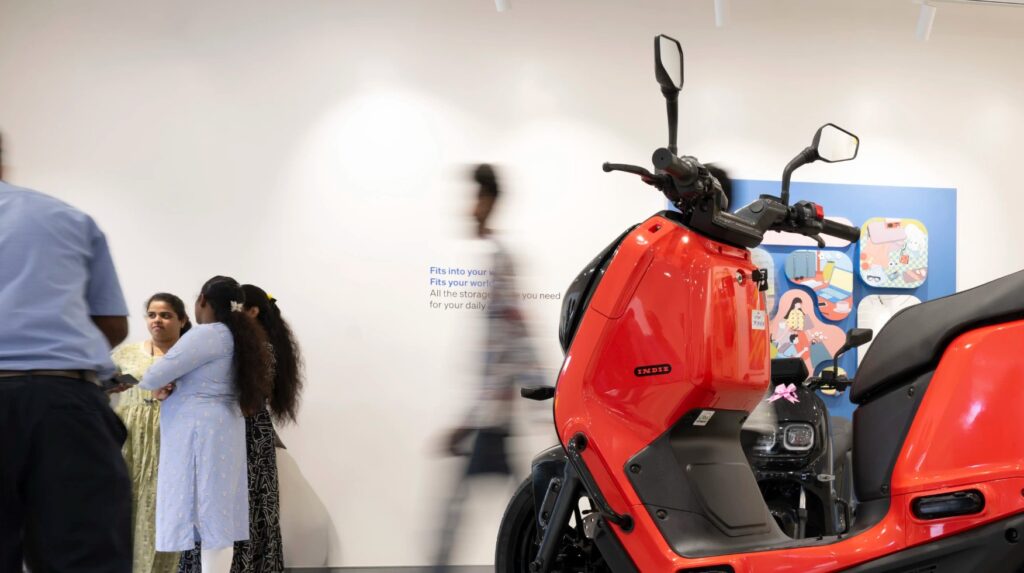
River Indie
India’s biggest EV adoption story so far has been 2-wheelers. But most startups chased urban consumers with premium features, connected dashboards, and sporty designs.
River Mobility CEO Aravind Mani saw a different gap. Self-employed people, delivery riders, small business owners, tradespeople, who ride 60-80 km a day and care about cost per kilometer and uptime.
In 2023, River launched just one product: the Indie. It’s a utility electric moped built for work. It costs $1,630, claims a 99-mile range, and comes with cargo accessories.
More Updates: HappyRobot Raises $150M To Fix Enterprise AI Agents
Traction that Got Investors’ Attention
River is moving about 6,000 vehicles every month through 75+ stores. They’ve crossed 50,000 total sales. And monthly revenue is around $11 million, with full-year revenue up 330% through March 2026.
The typical buyer is 28-35, self-employed, and using the Indie to make a living. For them, EV is about margins. But the real achievement, Mani says, was manufacturing, there was a point when we were making 20 vehicles a day.
Today, River make 300 EVs a day, and that scale-up has not been easy. This is the steepest learning curve for any company out there. Their first factory outside Bengaluru now does 10,000 vehicles per month after upgrades. It will be maxed out by early next year.
River can’t launch its next products until it has more factory space. So the funding will be divided into three categories:
- New factory: Building starts in two months. The first phase goes live mid-2027 with 700,000 to 800,000 vehicles per year. That’s 60x today’s output.
- Two new models: Launching from next year. River hasn’t revealed details, but expect them to stay in the utility lane.
- Retail scale: Over two hundred stores by March 2027 and four hundred outlets by March 2028.
More Updates: Volta Raises $300M To Tackle Soaring AI Infrastructure Cost
Why Indian Investors Led This Round
This round looks different from River’s earlier ones. The first checks funded R&D and the Indie. This one funds execution. Mani pointed to a disconnect he’s seen, “Silicon Valley investors had long recognized India’s EV opportunity. What they don’t understand is the customer behavior.
Indian funds like Elev8 and Claypond, plus strategics like Yamaha, are betting River has figured out both product and production. River is competing in a crowded market, but its single-model approach gave it an advantage.
Instead of splitting engineering and supply chain across 4 scooters, everything went into making Indie reliable and cheap to build. That’s how they jumped from 20 to 300 per day. The risk now is the opposite. Can they keep that discipline while adding 2 models and 10x-ing factories?
More Updates: QuantHealth Raises $45M for AI Pharm Clinical Trials
Source link