
As greenhouse production becomes increasingly data-driven, AI-powered drones are emerging as an additional tool for collecting plant-level information. Andrew Mabry of ZenaDrone describes the technology as a way to add another layer of visibility to systems that already include climate computers, environmental sensors, irrigation controls, and automation.
Rather than replacing growers or crop scouts, drones can collect repeatable imagery across production areas and highlight locations requiring closer human inspection.
“Equipped with high-resolution cameras and other sensors, drones can monitor crop condition, canopy development, flowering and fruiting across different sections of a greenhouse,” he explains.
© ZenaDrone
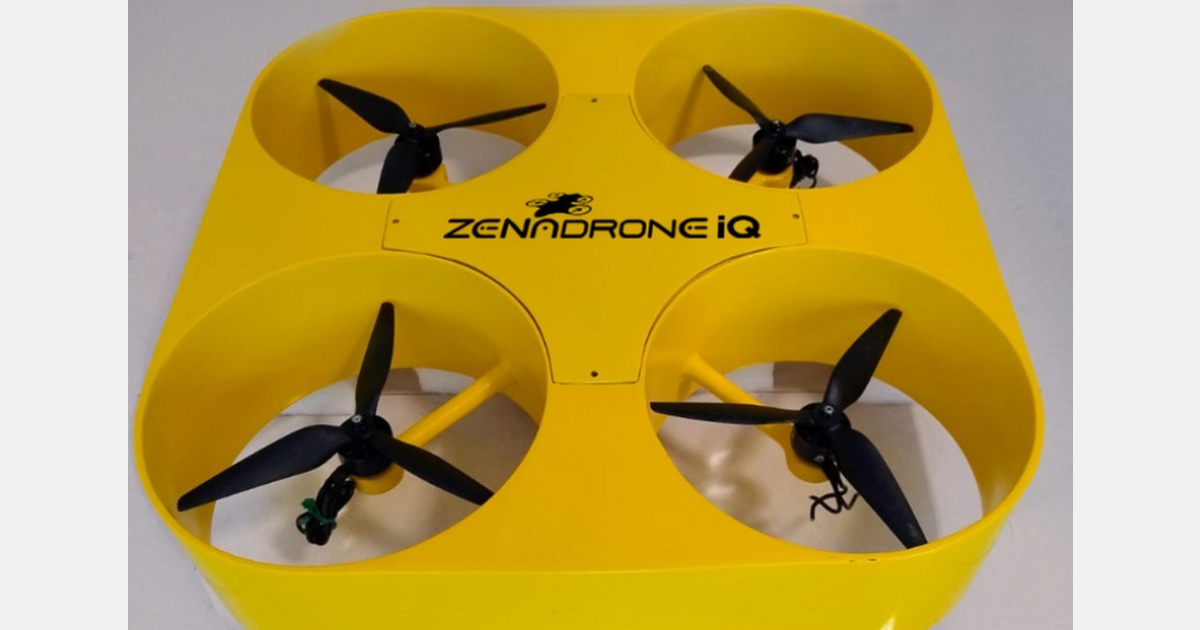
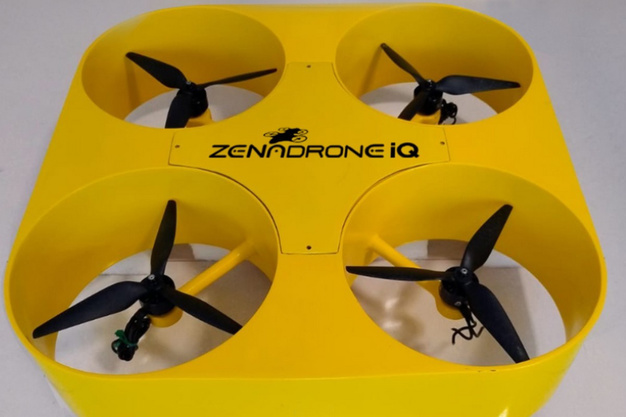
ZenaDrone IQ Square, the indoor drone technology from Zenadrone
Combining imaging technologies
He adds that the value of drone-based monitoring extends beyond conventional RGB imagery. Thermal and multispectral sensors can provide additional information that is not readily visible to the human eye.
“RGB imaging records visible characteristics such as leaf colour and canopy condition, while thermal imaging can identify temperature variations associated with potential water stress or other crop responses. Multispectral imaging can further contribute information on crop growth and plant condition.”
According to Andrew, combining these “multisensory inputs” can give growers a more comprehensive view of greenhouse conditions.
Identifying variability and potential stress
“AI analysis can be used to identify areas where crop development differs from surrounding plants. Variations in canopy condition, temperature or growth patterns may indicate locations requiring investigation for disease, pests, water stress or nutritional variability,” he explains.
“This information can be particularly useful when combined with existing irrigation records, climate data and substrate measurements. Rather than treating drone imagery as a standalone system, growers can use it alongside existing data to investigate relationships between environmental conditions and crop response.”
© ZenaDrone
Linking plant data with greenhouse controls
One potential advantage of drone-based monitoring is its ability to provide plant-centric information alongside measurements already collected by greenhouse control systems.
Andrew notes that this can help fill gaps between environmental measurements and the actual response of individual plants. “Crop imagery can be considered together with temperature, humidity, CO₂, irrigation and pH data, providing a broader picture of how crops are responding to changing conditions.”
The objective is a more integrated production environment in which different data sources can be compared to identify patterns and potential causes of crop variability.
Supporting yield forecasting and labour planning
Repeated drone surveys can also contribute to crop forecasting. Computer vision can assess flowers, fruit and plant growth over time, supporting fruit counting and development tracking.
“For commercial growers, these assessments could improve visibility of expected production and support decisions around harvesting, labour requirements and packaging.”
Routine monitoring may also reduce the amount of time crop scouts spend on repetitive inspection. “Instead, AI analysis can flag unusual areas for targeted human review, allowing experienced staff to concentrate on diagnosis and corrective action.”
Toward mobile sensor nodes
Andrew sees the longer-term potential of AI drones extending beyond individual monitoring tasks. Drones could operate as “mobile sensor nodes”, combining crop imagery with information from environmental sensors, climate controls, crop-management records and yield data.
For greenhouse operators, this integration could shift monitoring from periodic observation toward more continuous, data-supported crop management. “The technology therefore represents an additional information layer within increasingly connected greenhouse production systems, rather than a replacement for established crop-management expertise.”
For more information:
ZenaDrone
[email protected]
www.zenadrone.com
Source link