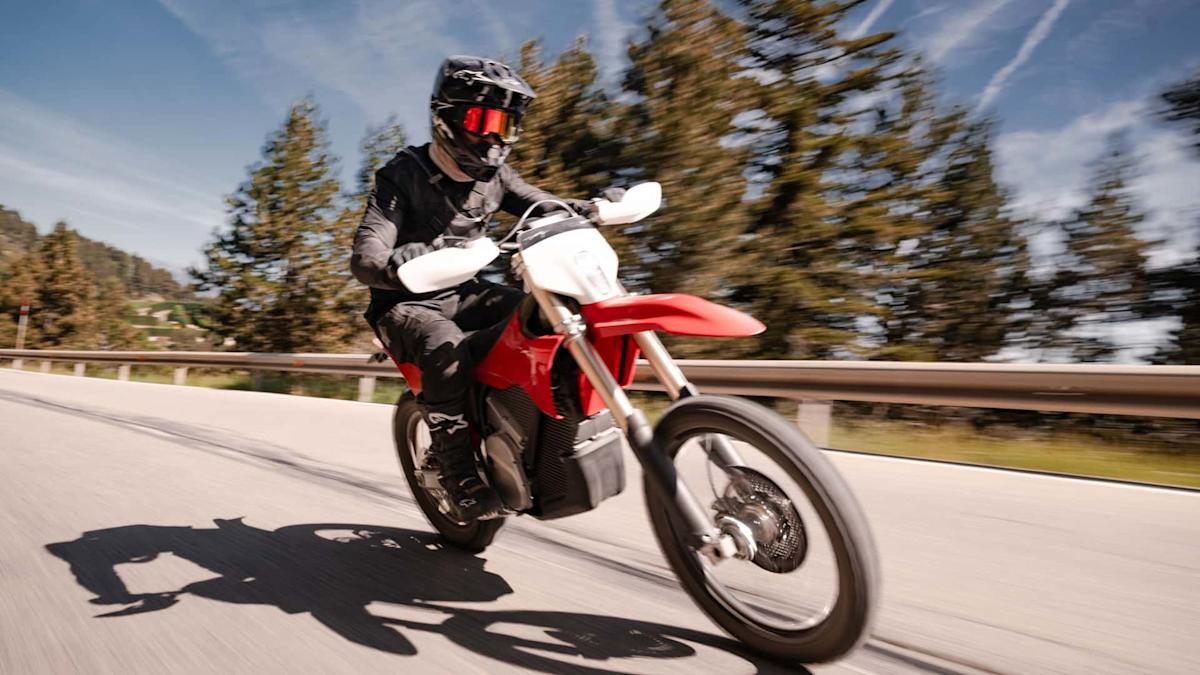

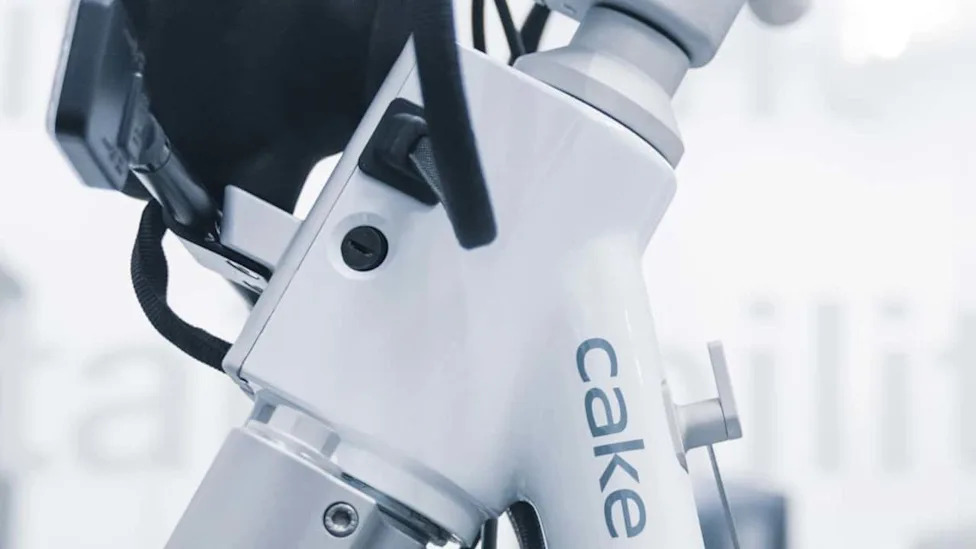
With product designs that scooped up awards, was the dream of CAKE a lie? Not if the brand’s new owners have any say in the matter.
Like the most delicious black forest gateau, the Swedish EV mobility firm CAKE once promised two things: Intriguing design choices and a range of motorbikes and mopeds that truly looked like nothing else. After the company went bankrupt in 2024, only to be rescued by a Norwegian automotive concern a few months later, one could be forgiven for wondering if this CAKE was, in fact, a lie.
(Side note: For US electric mobility enthusiasts, the Florida-based company EMoto evidently bought all remaining stock of the original CAKE’s bikes and is still selling them on its website at the time of writing.)
For a couple of years, there was no news from CAKE’s new owners, other than the initial announcement that it planned to continue operating CAKE and reviving the brand under new management. If you’ve witnessed a few similar stories, you can appreciate the good intentions and optimism that might very well sit behind such announcements; but at the same time, you also want to see something a little more concrete.
Paper Dreams
Advertisement
Advertisement
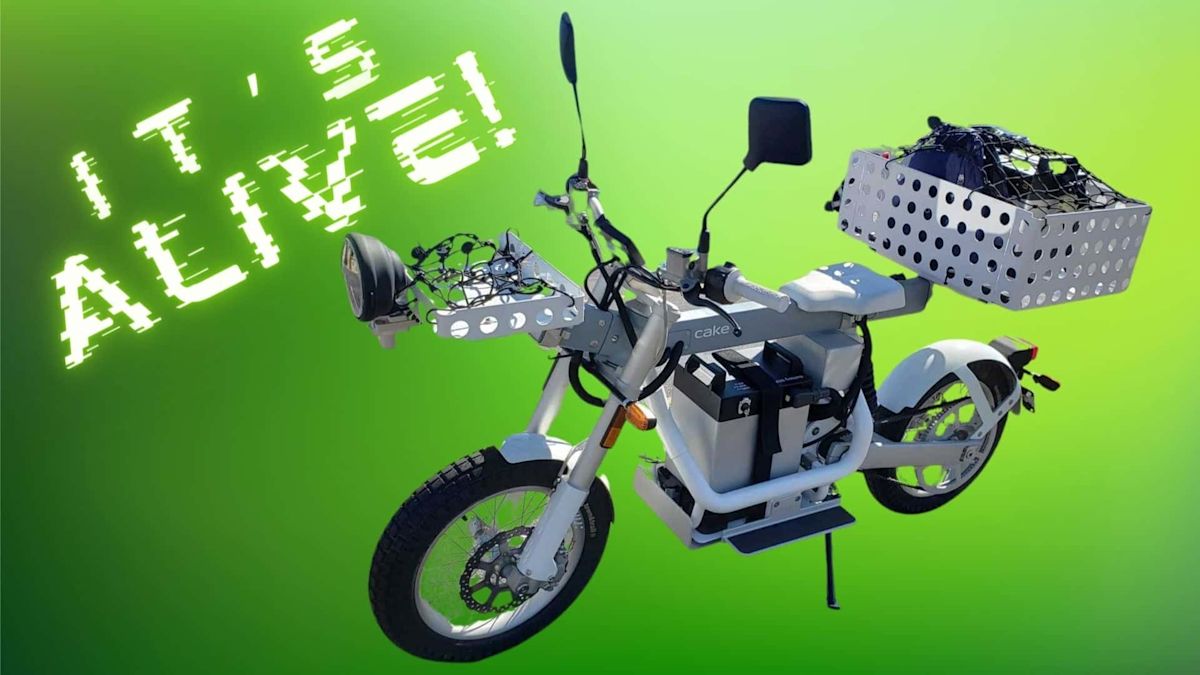
While I didn’t personally ride a Sondors Metacycle before that company imploded and started going through whatever reinvention it’s pursuing now, I did spend time with a couple of different CAKEs during that company’s first go-around. There was the CAKE Ösa+, as well as more last-mile focused CAKE Makka.
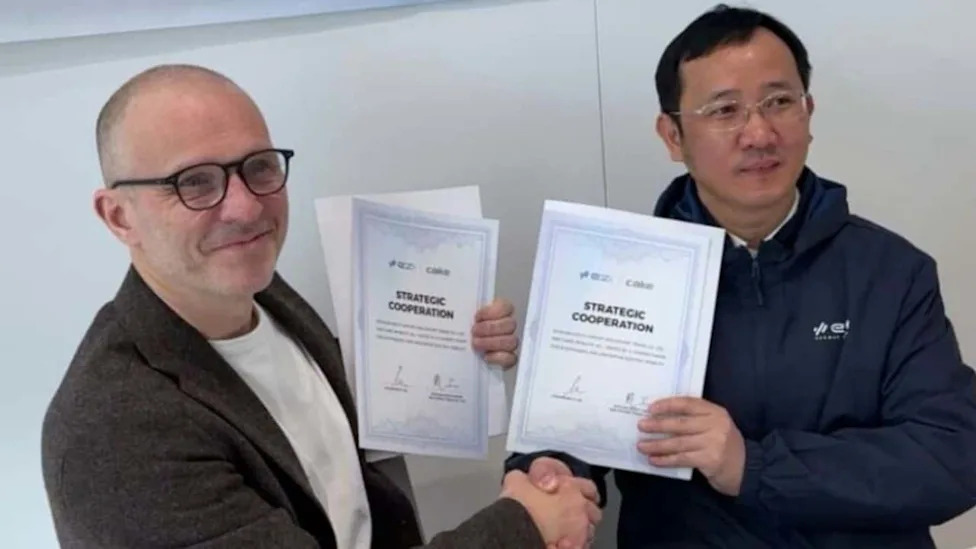
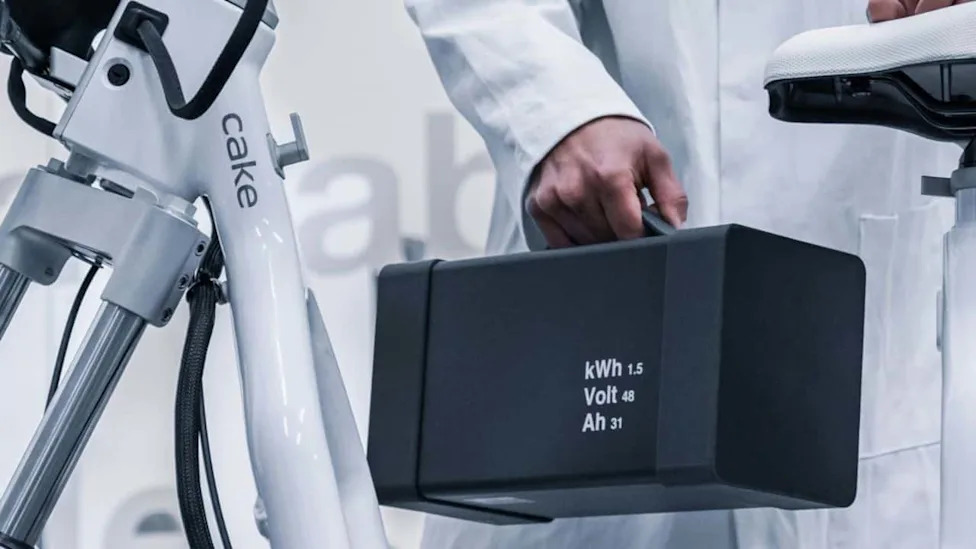
As of the beginning of 2026, the new ownership of CAKE has announced that it’s got a new production partner agreement set up, in order to work on what new CAKE owner Espen Digernes refers to as “Cake 2.0.” It’s a company you may have heard of before, particularly if you follow global motorcycle industry developments: Keeway Group.
If you haven’t heard of Keeway Group, you’ve most assuredly heard of at least one of the many motorcycle brands it manufactures and distributes globally: Benelli, QJ Motor, MBP, and Morbidelli. To be clear, CAKE has so far only announced this as a production partnership for the next phase of motorbikes it will produce; it has not mentioned anything about distribution at this stage.
CAKE 2.0 with Keeway Group
CAKE 2.0 with Keeway Group
CAKE 2.0 with Keeway Group
CAKE 2.0 with Keeway Group
Advertisement
Advertisement
Photos by: CAKE
But Wait, Doesn’t Keeway Only Do Combustion Bikes?
Short answer: No, Keeway Group already also produces EV motorbikes for some markets.
Long answer: The most familiar brands Keeway Group currently manufactures and distributes are mostly known for their combustion models: Benelli, QJ Motor, and Morbidelli in particular.
But another, less familiar brand that Keeway Group already manufactures and distributes is EZI Motor, which has established production for several models of both EV motorbikes (mostly small-displacement equivalent motorcycles and scooters), as well as small electric cars. These are sold in a variety of markets around the world, including some in Asia, South America, and Europe.
Advertisement
Advertisement
To be clear, the first round of CAKE motorbikes were designed in Sweden, then manufactured to spec by a different manufacturing partner in China, and then distributed by CAKE via the outlets it established in a few select markets. Ultimately, this system did not work out for that first iteration of the company, as it went bankrupt in 2024.
Although CAKE’s new owner hasn’t specifically mentioned Keeway’s strong global distribution network, it’s impossible to not contemplate whether that figured into the production partnership decision-making process.
Will this also mean it’s more likely that Keeway will help to distribute CAKE 2.0 machines to a wider global audience, particularly in markets where EV mobility machines are already more accepted than they are in, say, the United States?
Also, and definitely not a secondary question: Will this mean that Cake 2.0 machines will be priced more practically to convince interested parties to take a chance on them?
Advertisement
Advertisement
While the Makka moped’s pricing wasn’t too bad, more powerful machines like the Ösa+ (which, I’ll remind you, managed to strand me and also resulted in my having to call a tow truck) were pretty wildly overpriced for the specs they offered.
Sure, for a certain kind of person, the design is striking. When I was riding the loaner CAKE around, I pretty much couldn’t go anywhere without random people asking me a ton of questions about it.
But having to explain that they retailed for over US $10K back in 2022, when I was riding the thing … to put it kindly, most people quickly backed away and looked at me like I was out of my mind.
Now, to be fair, the official CAKE website in 2026 lists the price of the Ösa as starting at US $5,900, which is much more reasonable. And there’s probably some kind of case to be made that if they’d started out at that price during their first run, then maybe they wouldn’t have gone bankrupt in the first place.
Advertisement
Advertisement
That’s an impossible case to truly make without knowing production costs, however; and those have never been made public as of the time of writing. It’s probably safe to say that more people probably would have taken a chance on buying this unknown EV from an unknown startup company, though.
So, to bring it all back to CAKE 2.0 and Keeway Group: Will the new machines be distributed and priced more attractively for potential buyers, while offering the minimalist, like-no-other design and features that riders in the late 2020s want? Stay tuned.
Source link