

Sign up for the Slatest to get the most insightful analysis, criticism, and advice out there, delivered to your inbox daily.
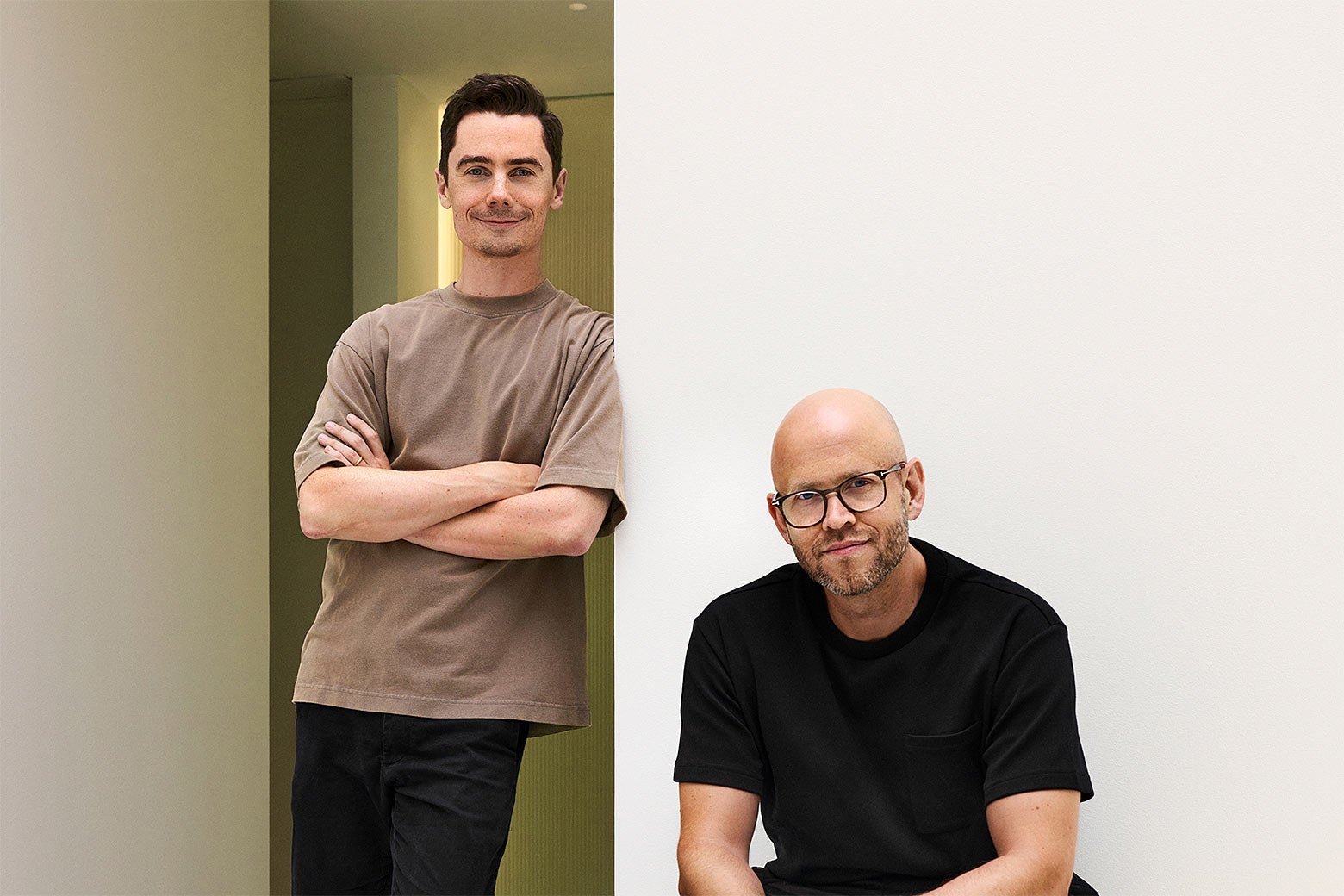
The co-founder of Spotify wants you to start adding wellness into your daily mix. The latest venture of Swedish billionaires Daniel Ek (who co-founded the music streaming service) and Hjalmar Nilsonne, Neko Health, rolled out to the U.S. this week, and the waitlist has already topped 300,000, according to reporting from TechCrunch. Waitlist for what?, you might be asking yourself. Currently, the company offers a one-hour total body scan that uses its proprietary technology to screen for brewing problems in the blood, skin, and metabolism. Gym rats can check their body composition of fat and muscle, people with heart issues can get their heartbeat captured, and mole owners can get their moles mapped to 0.1 mm. It’s $500 for the hour, and it’s not covered by insurance, although it is Health Savings Account–eligible. A.I.-powered diagnostics distill all of this into one clear picture of your entire body, in 360-degree, piercing-into-the-soul, high-resolution detail.
Preventative health has had a major boom over the past few years, and it’s become a primary focus for plenty of tech executives who move into the health and wellness space. Money has been poured into startups focused on daily monitoring, early detection, diagnostics, and intervention. It’s hard not to see the tech industry’s influence in healthcare right now. Prenuvo, one of the first private health companies to popularize the total-body wellness scan, with clientele like Kim Kardashian, was originally backed by names like 23andMe’s CEO Anne Wojcicki; former Apple executive Tony Fadell, who created the iPod; and former Google CEO Eric Schmidt. Also, Cindy Crawford. Venture capital–backed wearables like Oura and Strava have raked in billions of dollars as they lure customers in with the promise of using data to fix all their annoying little bodily problems before they become an urgent-care-level issue. You can see a doctor at the Amazon Clinic or monitor your heartbeat on OpenAI’s Whoop or get erectile dysfunction pills and GLP-1s via the telehealth company Ro, brought to you by Reddit co-founder and Serena Williams’ husband Alexis Ohanian.
Here’s the thing about the Neko Health scan: It’s not an MRI, so it can’t see into your organs or skeleton and check for any issues happening there. It can help intervene with other issues—the founder of the meditation app Calm, Alex Tew, claims that it caught a malignant mole on his back—but it can’t do much beyond the kind of stuff you get checked out at your annual physical. Sure, for people with no health insurance, this is an enticing opportunity to effectively pay one month of coverage to get the silhouette of an annual physical, except without an actual doctor present. Full-body scans have also faced criticism from some healthcare professionals, who warn that the technology risks false positives, overdiagnoses, and unnecessary testing and anxiety.
Where Neko Health really has a financial window is for the people who are increasingly, perpetually scared of something going wrong before it does. The fear is more widespread than ever: Americans spend more time living with diseases than the rest of the world, largely due to the cost burden of paying for medicine and hospital bills. One in three Americans with health insurance has medical debt, and as of 2024, 21 percent of all medical debt was overdue, according to the National Institutes of Health. Not to mention that there is constant information about new stimuli that bring increased health risks, whether it be food recalls or the many warnings about being on that damn phone. Now, half of all U.S. adults under 50 get their wellness advice from social media, and that is a ripe breeding ground for private companies to market to audiences. That’s often where the messaging lies in this gray area: pay a few hundred dollars for this wellness gadget to catch things before they turn into five-figure hospital bills. In turn, cultural attention has turned toward preservation of the body, with billionaires spending millions trying to live forever, influencers hawking anti-aging products to children, and Gen Zers increasingly getting procedures like Botox in their early 20s as preventative measures against, well, time.
Right now, everyone kind of comes out on a different end in terms of how much they believe powerful industries like private equity and tech can actually change the world for good. Evangelists believe companies like Neko Health offer accessible ways for people to take a proactive stance about their health; I would go out on a limb to guess that this same camp of people tend to believe that A.I. will really, actually solve cancer and provide the solution to humans. But the practice of it has already been ethically fraught. Private corporations aren’t beholden to any oath to serve the people, and they don’t hold the same liabilities. There is a very real fear about trying to catch things before they happen, and often, these products are trying to market a cure for a sickness that hasn’t even happened yet.
I mean, the good news is that at least it’s Spotify, the company that famously doesn’t use any of your personal data for anything at all. Perhaps there are real use cases where this technology can help cost-burdened Americans solve their persistent health issues. I’m just saying, if you get the Neko full-body scan and then one year later get a neon-colored infographic about all your moles and high cholesterol set to your top song of 2027, don’t come crying to me.
Source link