Foods eaten every day — from yogurt, widely seen as a health food, to gimbap, a popular quick meal — can work against blood sugar control, a specialist said. The pancreas secretes insulin and digestive enzymes, and because early symptoms of pancreatic disease are often unclear, managing diet and daily habits matters.
Yang Hyuk-yong, chief executive of the healthcare startup Lansic, said on the YouTube channel “Taste of Knowledge” that there are “five unexpected foods that can damage the pancreas faster than instant noodles if eaten without thought,” medical sources said on the 16th. He listed processed yogurt, soda, japchae, gimbap and avocado as foods to watch for in both quantity and how they are eaten.
Survival rates for pancreatic cancer in South Korea are low compared with other major cancers. According to the 2023 national cancer registry statistics released by the Ministry of Health and Welfare and the Korea Central Cancer Registry, the five-year relative survival rate for all cancer patients diagnosed between 2019 and 2023 was 73.7%, but the rate for pancreatic cancer was just 17.0%. Among pancreatic cancer patients, 48.5% were diagnosed after the cancer had spread to other organs, and their five-year relative survival rate was only 2.4%.
Research also suggests differences between the pancreas of Koreans and that of Westerners. A study published in the international journal Diabetes, Obesity and Metabolism found that Koreans tended to have smaller pancreatic volume and higher internal fat content than Westerners. The study raised the possibility that these traits are linked to differences in insulin secretion capacity.
One of the foods Yang singled out is processed yogurt. Yogurt is known to benefit gut health, but some commercial products contain significant amounts of sugar and fat. Rather than eating large quantities on the assumption that it is a health food, consumers should check nutrition labels and choose products with no added sugar.
Sugar-sweetened sodas also work against blood sugar control. Sugar in liquid form is absorbed quickly, raising blood sugar and increasing demand for insulin. A study published in the British Medical Journal in 2015 analyzed 17 cohort studies and found that each additional daily serving of sugar-sweetened beverages raised the risk of type 2 diabetes by 18%. After adjusting for obesity, the risk was still 13% higher.
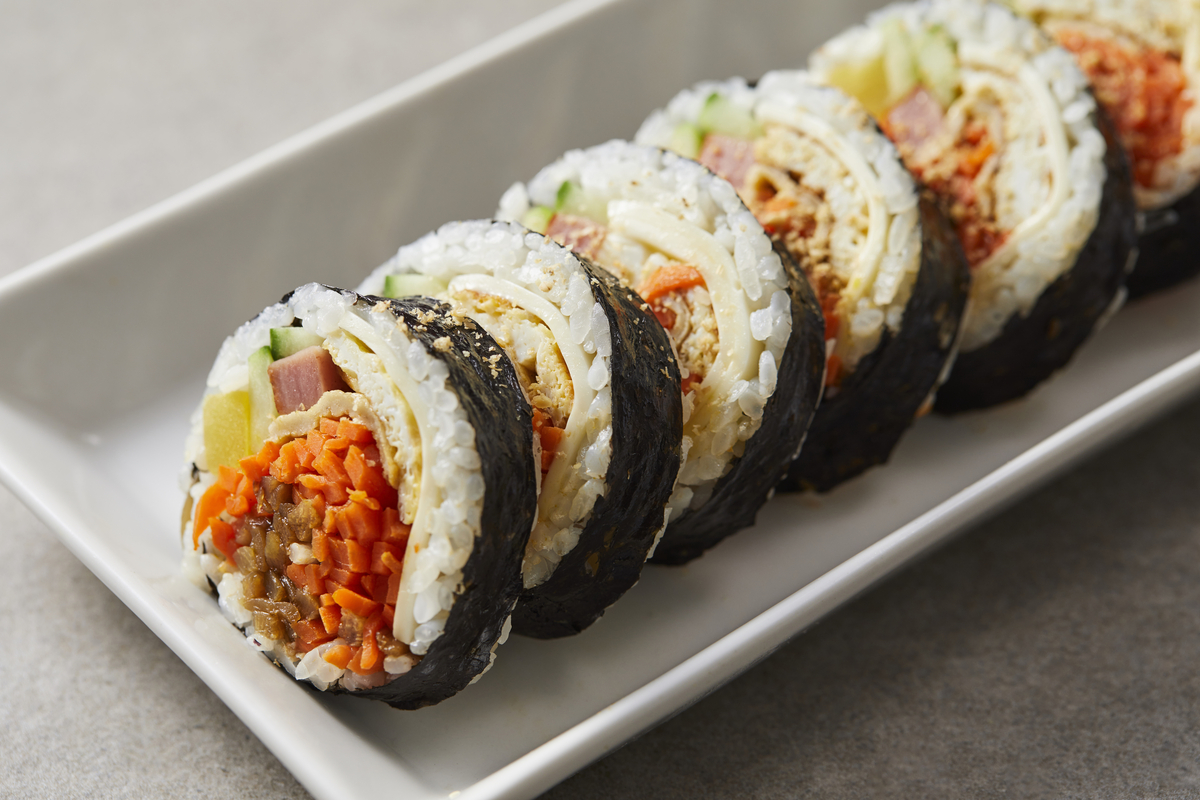
Japchae and gimbap also call for portion control. Japchae combines starch-based glass noodles with oil-based cooking, making it easy to take in more carbohydrates and fat. Gimbap, for its part, is heavy on white rice and includes ingredients seasoned with sugar. Eating large amounts of carbohydrates in a short time can cause sharp spikes in blood sugar.
Avocado, rich in unsaturated fats, is generally considered good for health. But because it is high in fat and calories, patients who have trouble digesting fat because of pancreatic disease should consult their doctors about how much to eat.
To keep the pancreas healthy, it is important to avoid heavy drinking and smoking and to maintain a healthy weight. Building a balanced diet around vegetables such as garlic and tomatoes, along with omega-3-rich fish such as mackerel, can also help. Still, there is not enough evidence that any particular food directly prevents or treats pancreatic disease.
Physical changes that signal pancreatic trouble also deserve attention. A typical sign is the sudden onset of diabetes after middle age, or a clear worsening of blood sugar levels that had previously been well controlled, with no apparent cause. Pain running from below the breastbone through to the back, unexplained weight loss and jaundice can also be signs of pancreatic disease.