On paper, the FF 91—Faraday Future’s first real product, at least almost—has what it needs to be a compelling competitor to the Tesla Model X, and should blow Mercedes-Benz, Audi, BMW, Jaguar, and everyone else competing in the electric crossover segment out of the water.
Back when the FF 91 was supposed to enter production before the company imploded at the end of 2018, five versions of the model were supposedly planned; two with about 716 horsepower (two motors rated at an output of 534 kW), and three with 1,074 HP (two or three motors rated at an output of 801 kW), all with all-wheel drive, according to VIN information submitted to NHTSA. Faraday previously claimed the FF 91 would be available with up to 1,089 HP.
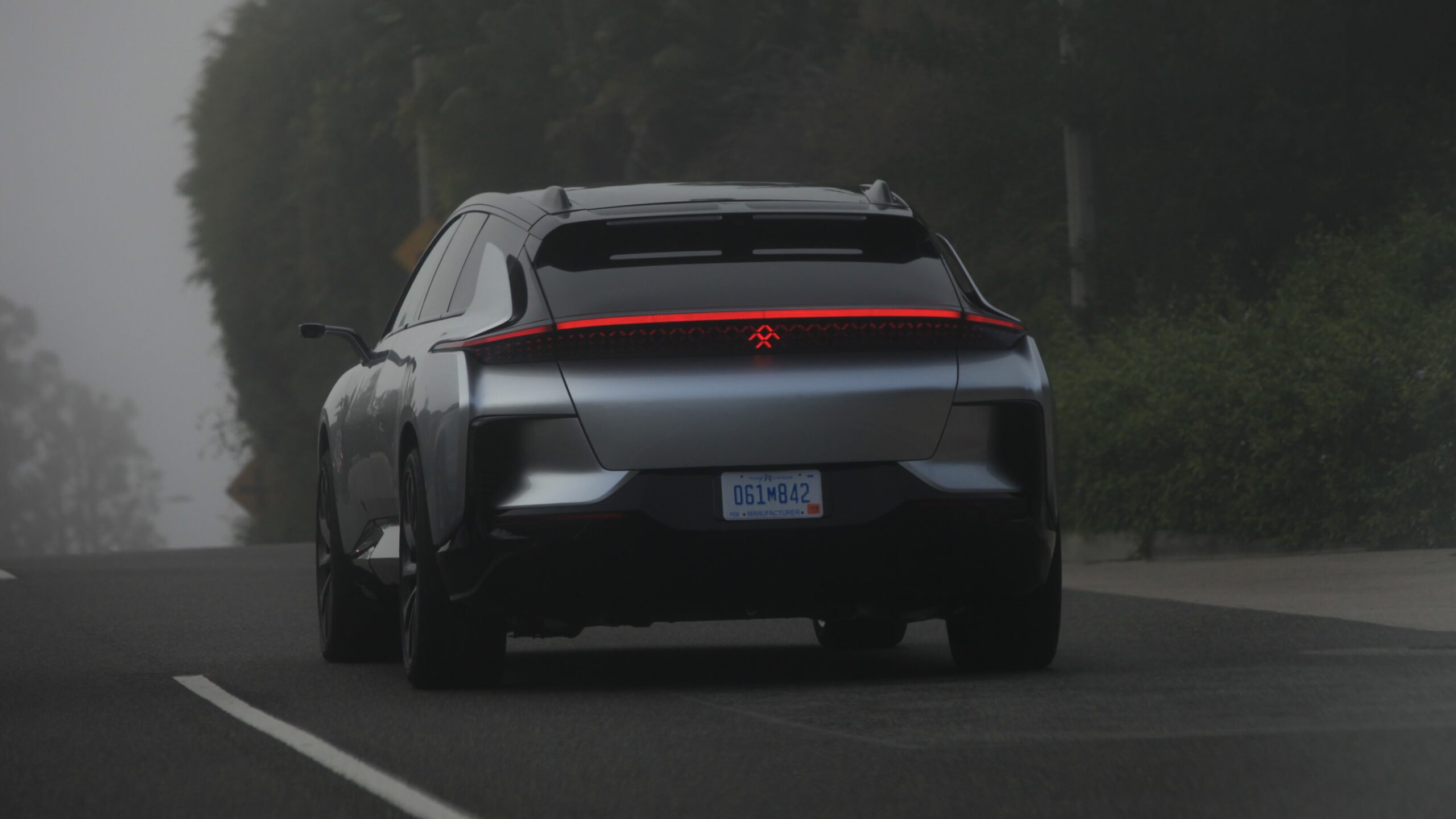
Here’s a mockup of what the car should roughly look like in production form:
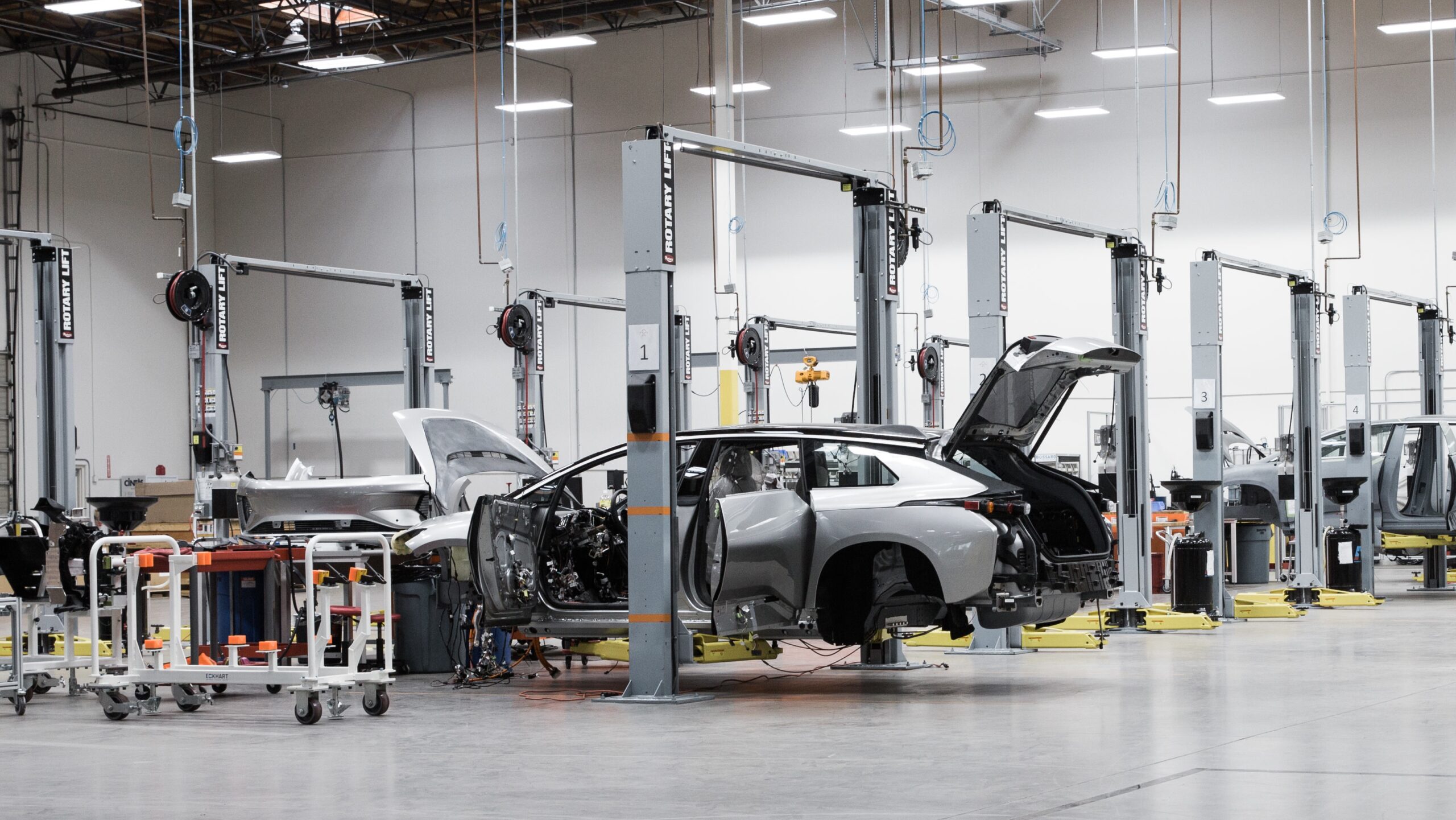
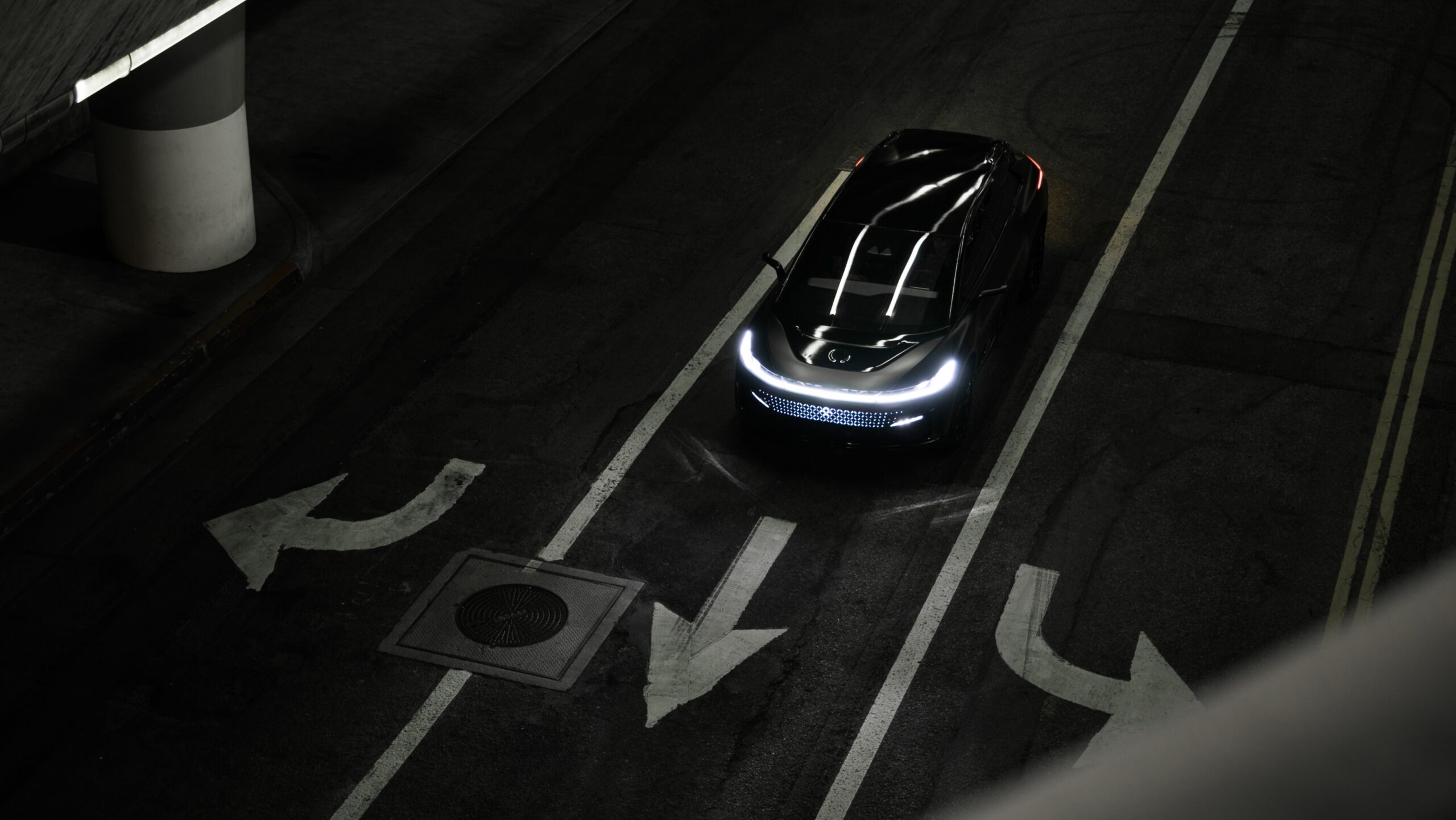
And here’s a prototype in development with pre-production taillights and headlights. You can also see both in our video.
In person, the vehicle is large. Its design reminds me of a concept from the 1990s or 2000s era of Chrysler, just with a lot of the modern “concept car” flourishes we’ve come to expect these days.
Using a phone app developed by the company, you can use your connected phone’s voice prompts to do stuff like ask to open the doors, or open the rear hatch.
A company rep explained to me a series of lights integrated into the body surfacing could be customized to flash as turn indicators, communicate other driving intentions with the car’s planned semi-autonomous driving capabilities, or do other tricks like flash to communicate to someone in a pickup line where the car is located, as if this huge futuristic blob wouldn’t stand out in a crowd already.
The benefit of this large size for the FF 91, and electric vehicles in general, is that any gain in size should directly translate into more interior space, and it does indeed in this case.
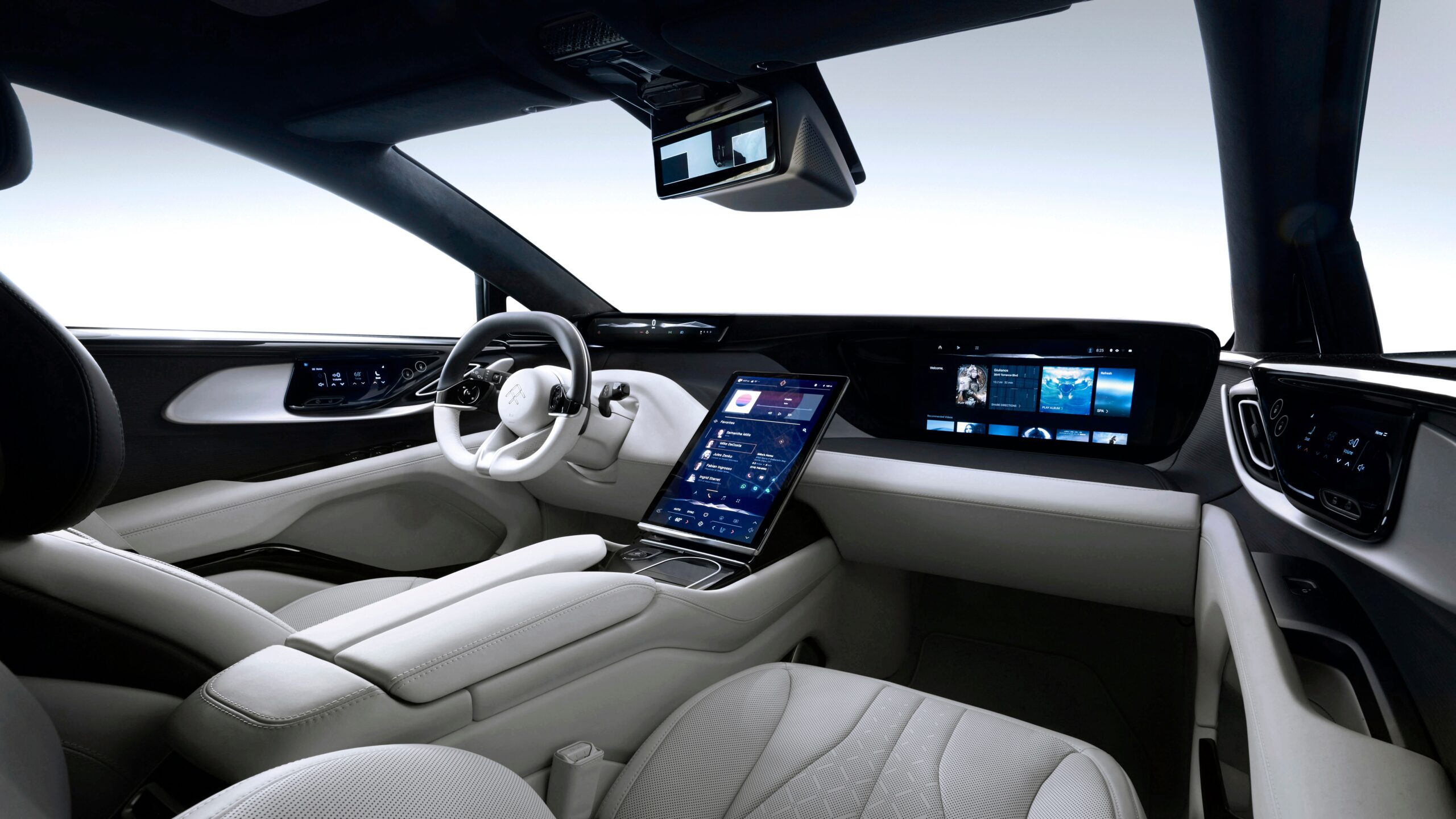
Up front, the driver and passenger are confronted with three different screens. One in front of the driver displays vehicle information, like speed, range, etc., a pivoting screen in the middle controls the connectivity and infotainment of the car, and a third screen directly in front of the passenger is utilized for connected entertainment.
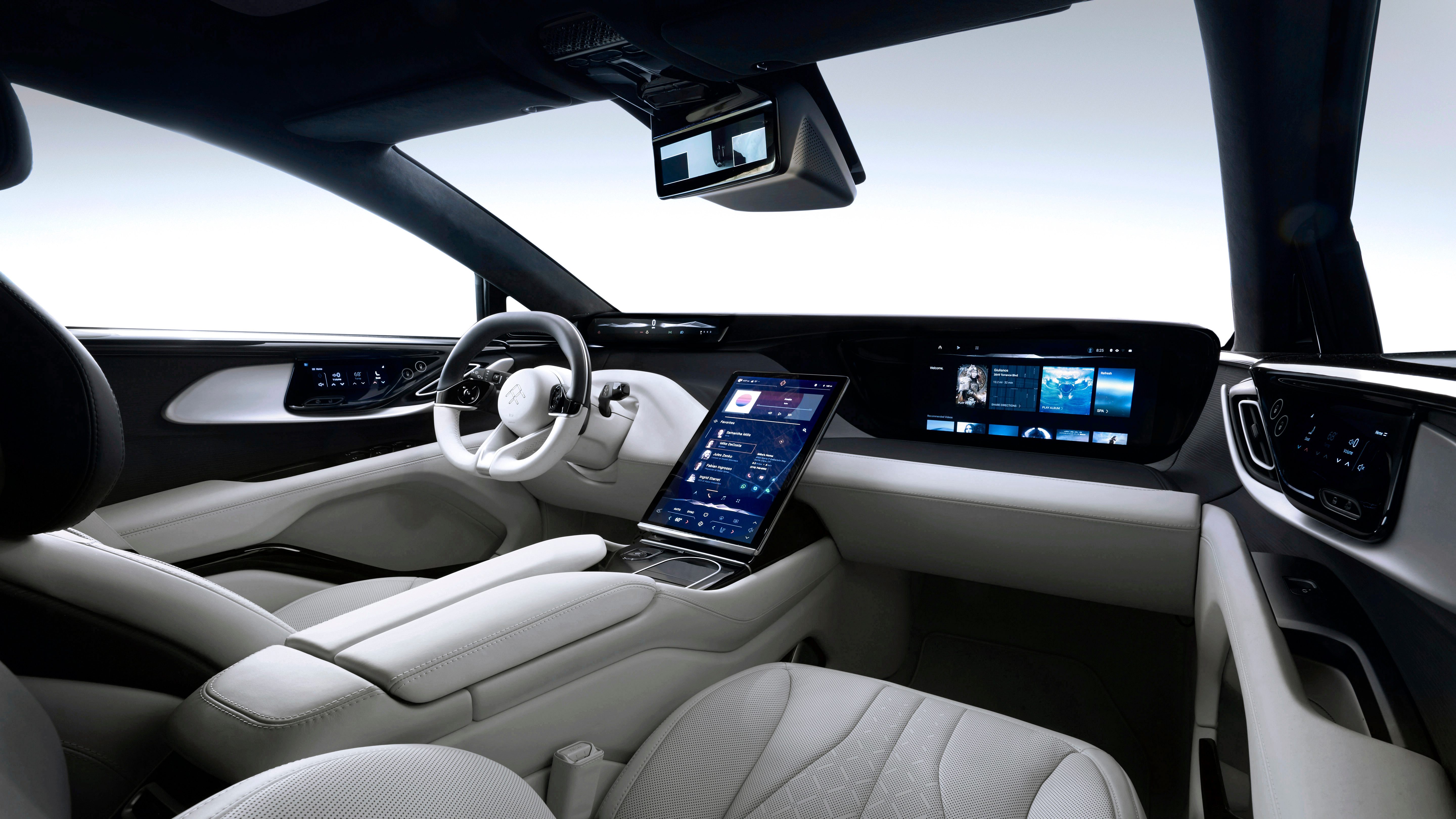
As shown in our video, a phone application developed by Faraday Future allows the passenger to mirror their phone, either Android or Apple with more support for other systems supposedly in development. The passenger can pick up where they left off on the shows they’ve been watching, etc.
The layout of the screens on the dashboard is specifically designed to prevent the driver from being able to distractedly look over and see the entertainment screen for the passenger.
It’s also all designed to be upgradable as the screen and systems technology advances. Faraday plans to be able to swap out the screens and systems to adapt to new regulations, adapt to changes in the car’s self-driving capabilities as that technology progresses, and keep the vehicle technologically relevant.
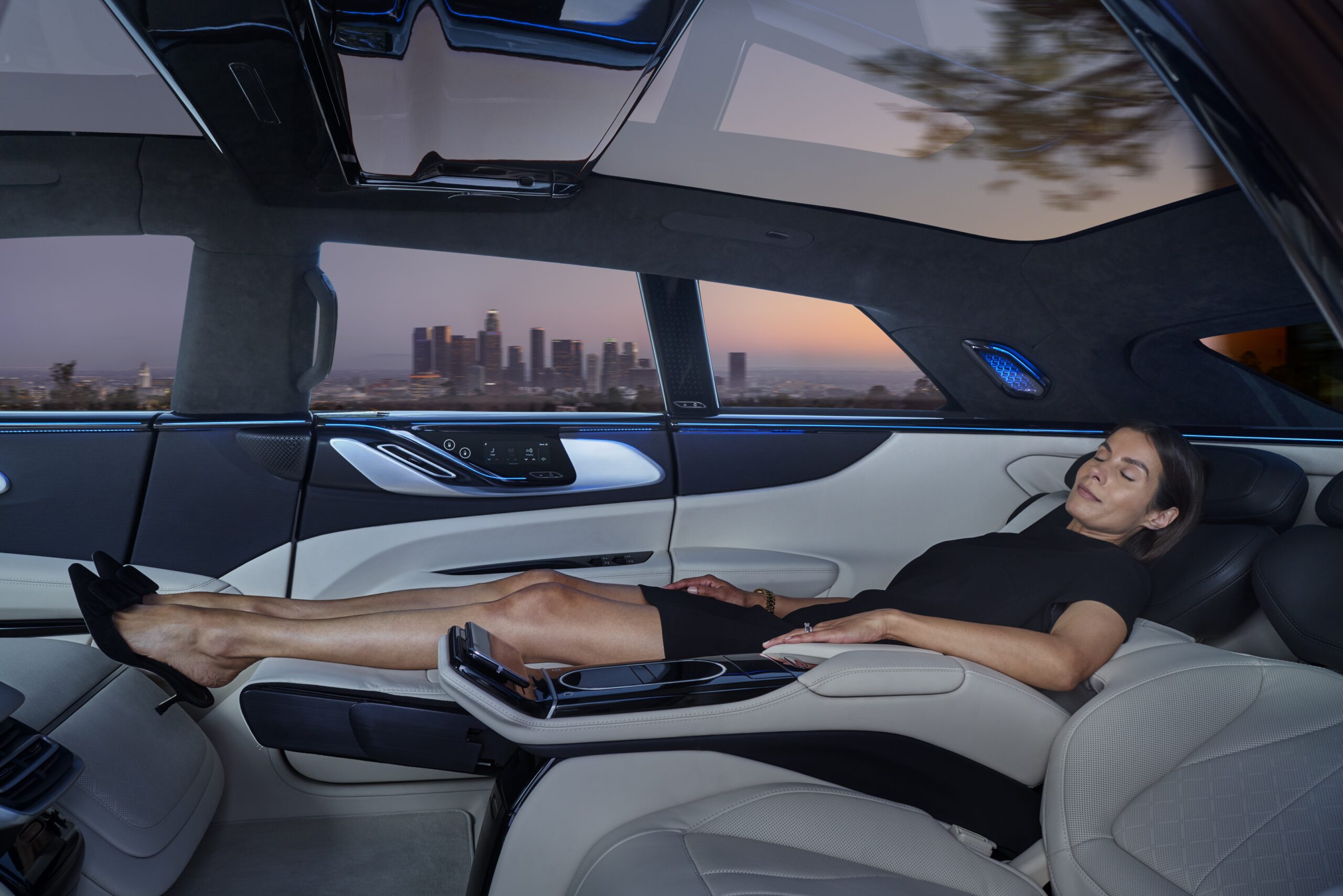
But where the FF 91 really shines is in the back seat. This car is tailor made for the Chinese market, where it’s very common for luxury vehicle owners to be driven around, rather than drive their own vehicles.
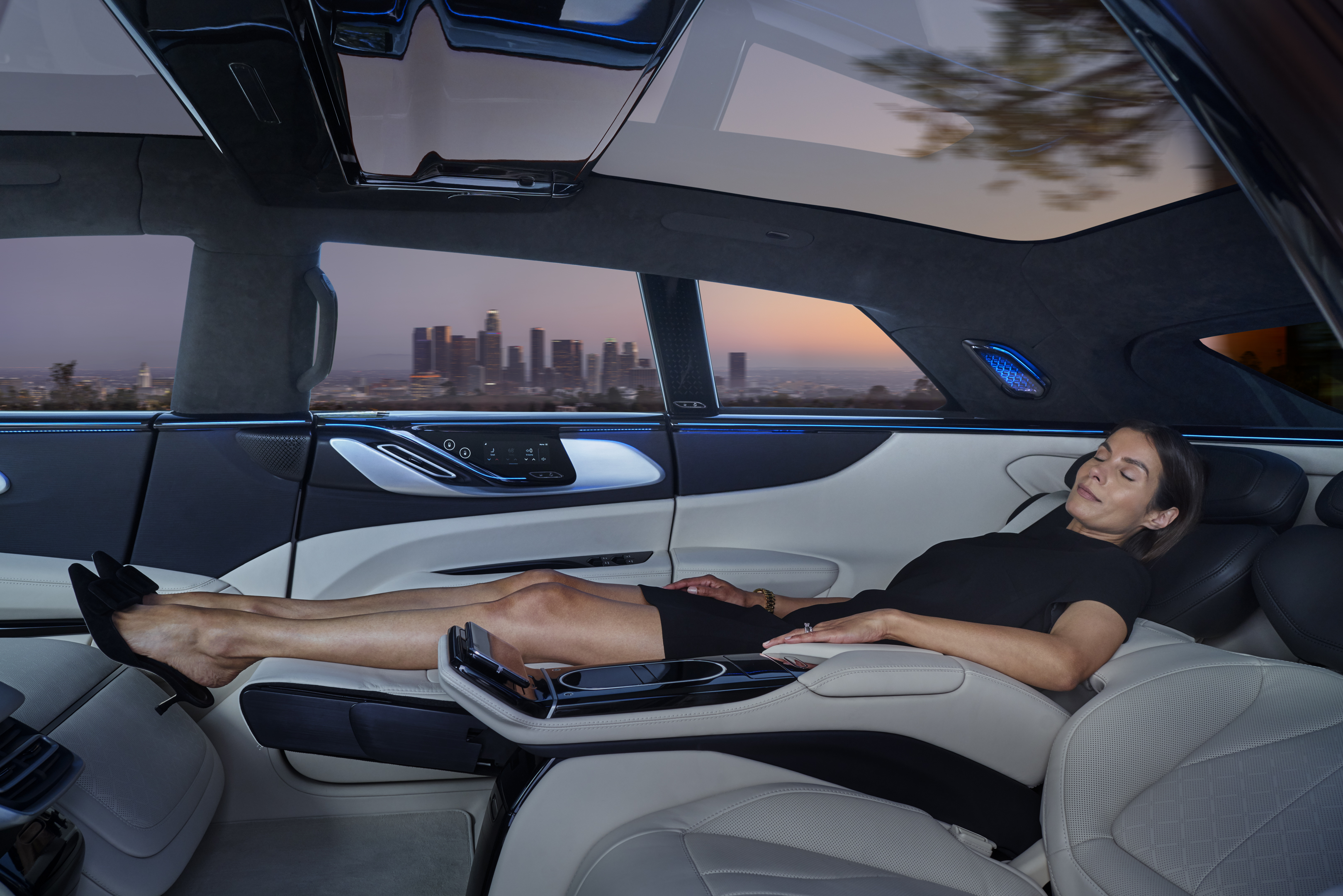
Early production models of the FF 91 will feature two reclining seats in the back, but a three-seater bench will be available later in the production run. The two-seat option is incredibly luxurious though, reclining almost entirely flat with raising support for the legs and thighs, but a comfortable position to watch the giant 27-inch drop-down screen that features the rear entertainment.
Again, this massive screen is designed for use with the passenger’s Faraday app that’s been previously set up, which mirror’s the person’s phone and allows you to browse the web or watch anything you might on your phone, except big. We watched a Jason Drives Jalopnik video straight from the web browser as a test.
While some journalists have had a chance to drive a prototype of the FF 91, we weren’t so lucky. But we did get a ride-along drive with a development driver, Ron Dizon, who’s been working on the car from the beginning—a shocking level of loyalty considering what the company has been through.
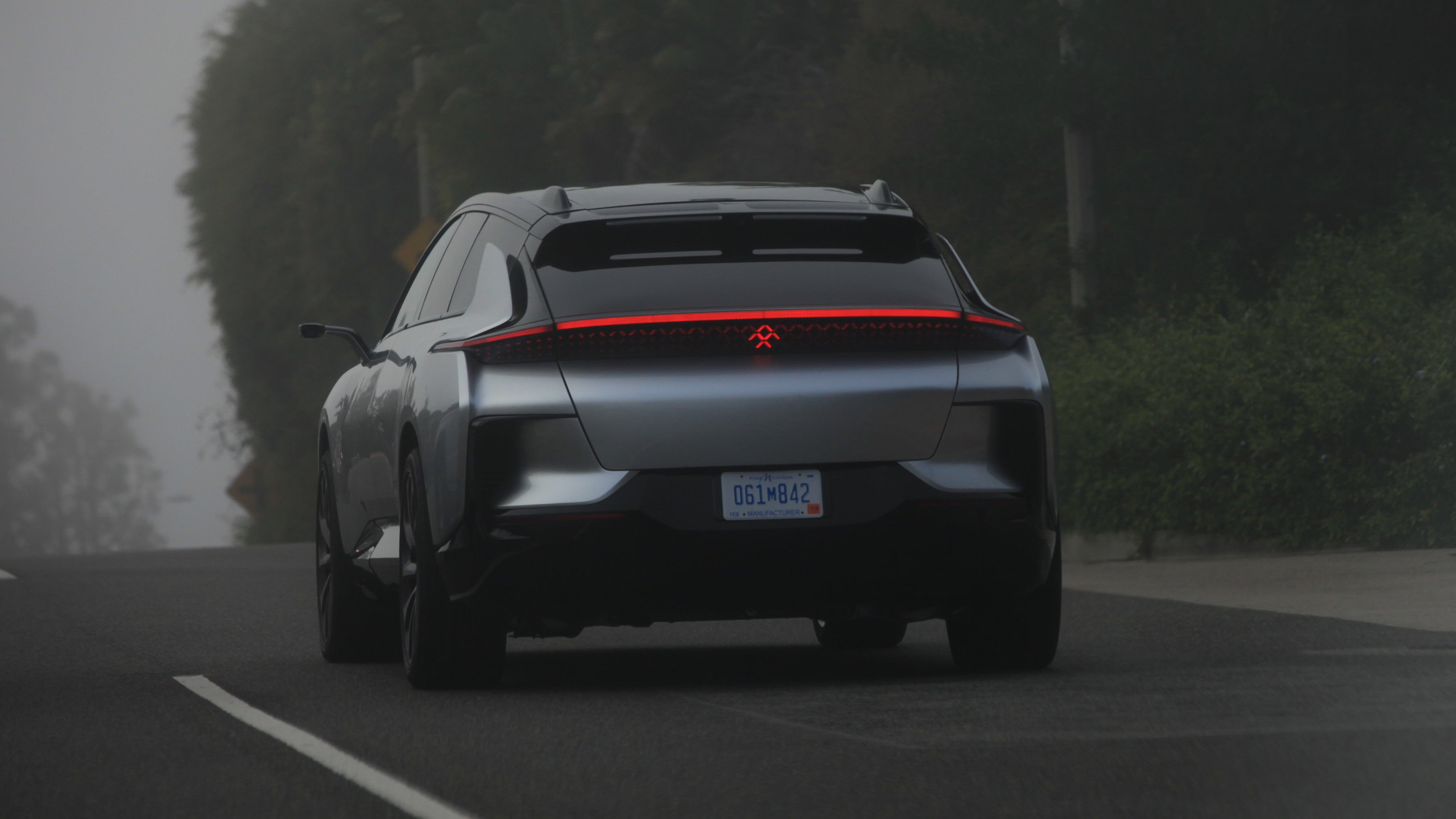
As a performance electric crossover, the FF 91 does not disappoint. The company does have real cars, and they can go really fast. Acceleration is instant, the noise is a raw whine of the mechanics of the motors whirring at the corners of the car.
You can throw this massive blob into a corner at speed and it doesn’t feel like the body is going to separate from the chassis. Everything stays fairly level and planted, and the seat support picks up in the small margin where the platform reaches its limits.
The FF 91 fits competitively in the new lineup of unparalleled performance only an EV can offer, and the ride experience is enough to convince you that through all of the financial trouble, Faraday has somehow remained focused on getting the dynamics of the car right. The car itself is the biggest indicator that the company isn’t the joke we all sometimes assume it is.
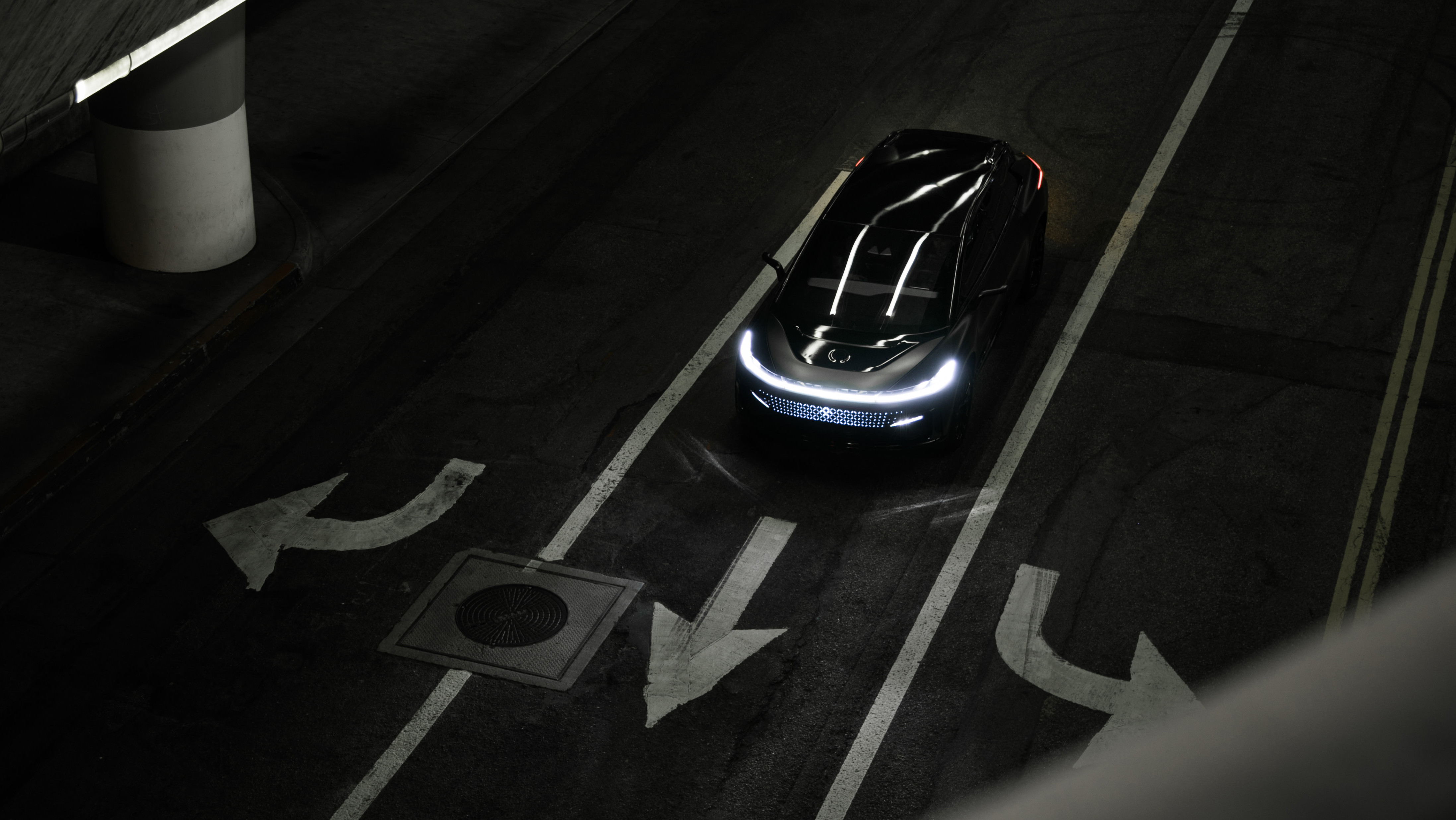
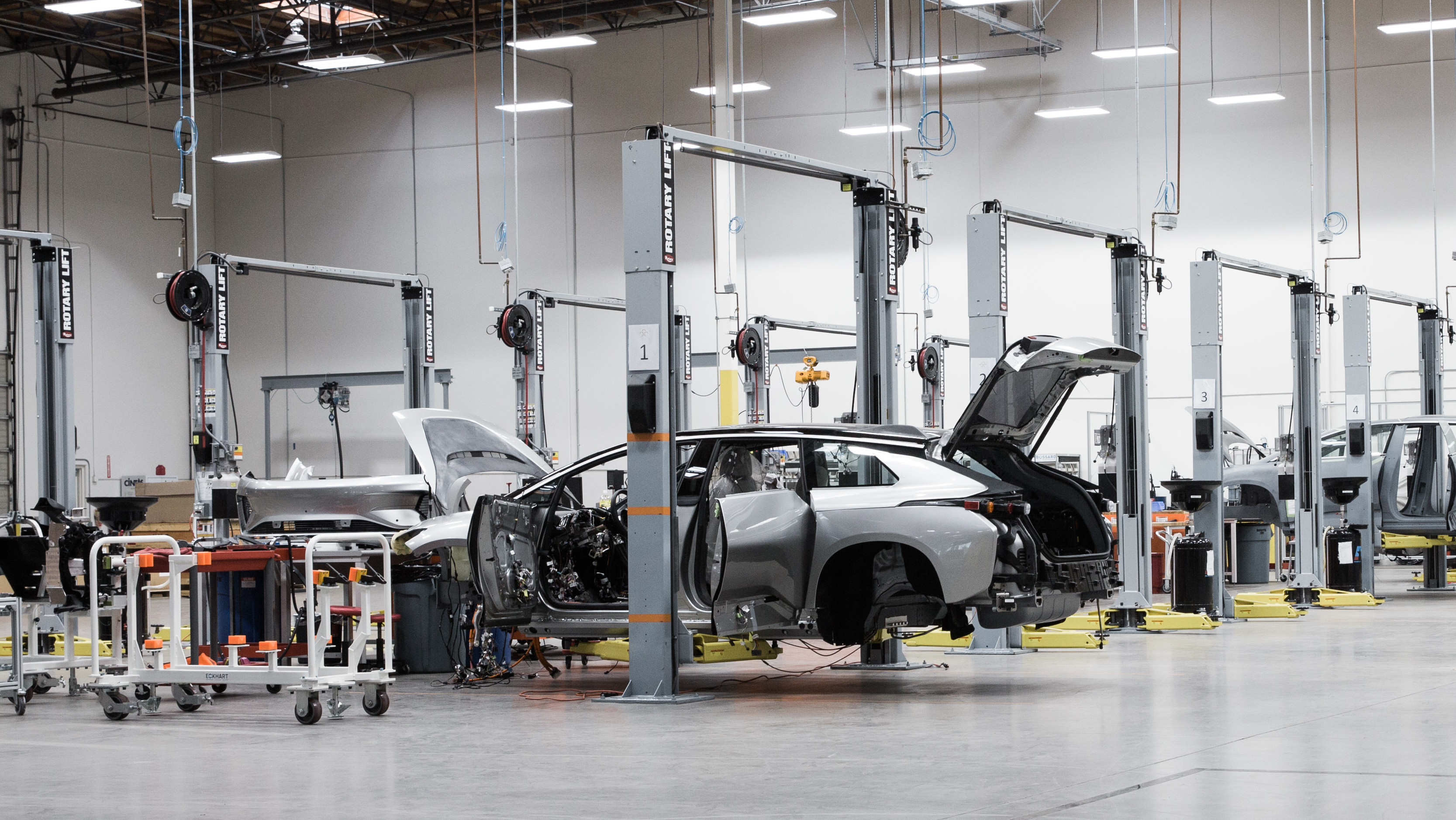
Breitfeld told me that the FF 91 has been sitting near-ready for production for over a year and a half. He’s still confident they’ll go into production by September of this year, but the company has been saying that the FF 91 has been a year or so away from production since the beginning of 2017. Faraday Future still says it really wants to disrupt the future world of mobility, it just needs hundreds of millions of dollars of new investment to see it through.
But now, even the U.S. Department of Justice has gotten involved in the quagmire, claiming the founder was “dishonest” in his bankruptcy filings—yet another setback that’s likely to delay any new investment until Jia either steps aside, or his bankruptcy case comes to an end. But if investment comes, the ground team at Faraday Future seems confident it’ll be off to the races.
A lot of traditional automakers would kill to have an EV program with the level of development and interior technology that Faraday is offering. The trouble now is just finding a way to sell it to the world—the biggest test for a startup, and after half a decade, one that Faraday may frustratingly still not be able to pass.
Source link