Words by Simon Woolford, founder of SUM, a luxury branding agency based in London.
Start quietly, start correctly
The most successful new luxury brands of the last five years have not launched with campaigns. They have launched with clarity.
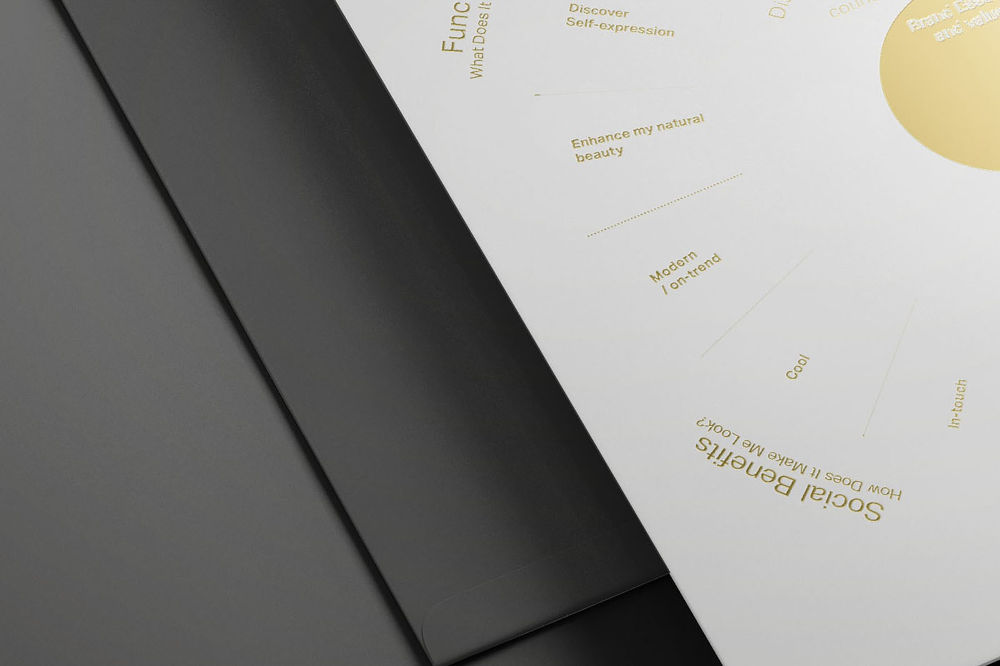
Before digital content, before influencer seeding, before product drops, they invested in strategy – defining what they stand for, what they sound like, and how they will move through the world. They built a brand system that would hold, long before anyone saw it.
This approach is not about secrecy. It is about sequence. And it is fast becoming the standard among serious luxury founders.
Brand before visibility
At SUM, a luxury branding agency based in London, we work with founders and teams across fashion, fragrance, hospitality and interiors. Often, we are brought in before anything is public. There is no logo yet. No live site. Sometimes not even a product.
What there is, however, is a clear ambition to get it right from the start.
That means:
- A strategic foundation
- A name that can travel
- A tone of voice that guides everything from investor decks to packaging
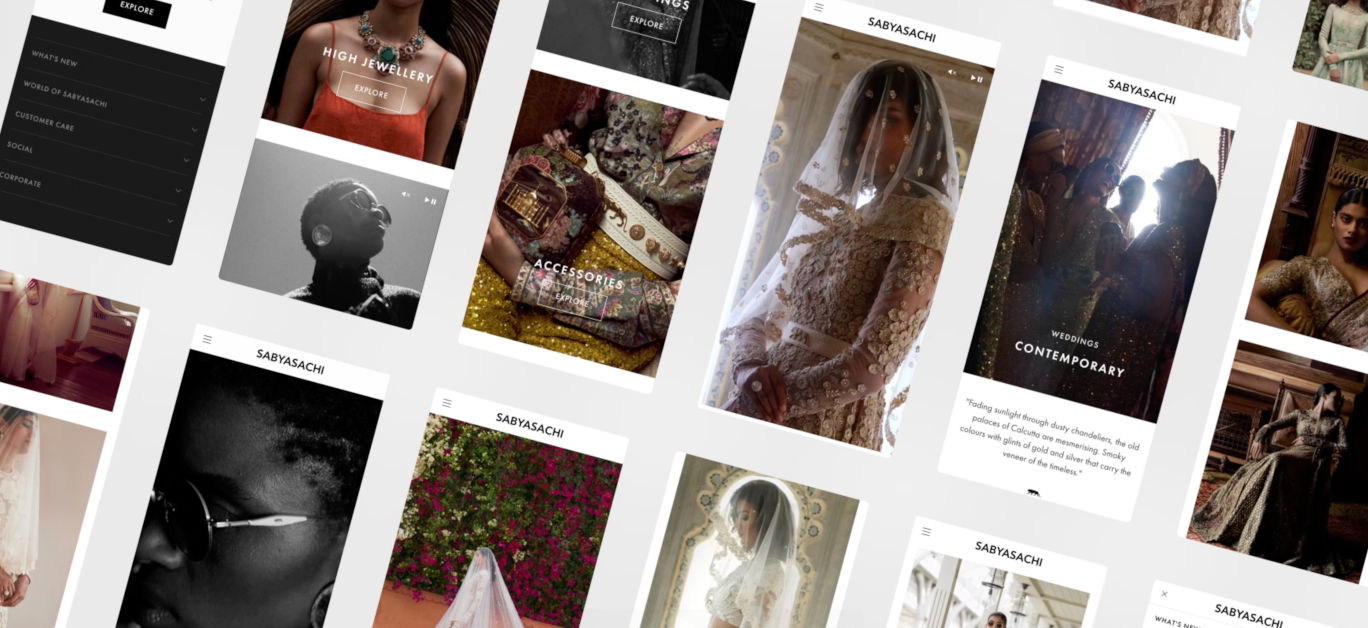
- A digital presence that feels authored, not templated
In luxury, where trust is built slowly and eroded quickly, these early decisions carry more weight than any marketing campaign.
Social media has made visibility easier-but not always smarter. Many young brands focus on looking consistent online before they have clarity offline. Content comes before concept. Voice is borrowed, not built.
The result: short-term engagement, long-term dilution.
Brands that start quietly are not avoiding attention. They are preparing for it. They build the structures that will support growth-so that when visibility comes, the brand is ready to scale with it.
This includes systems for:
- Naming and product hierarchy
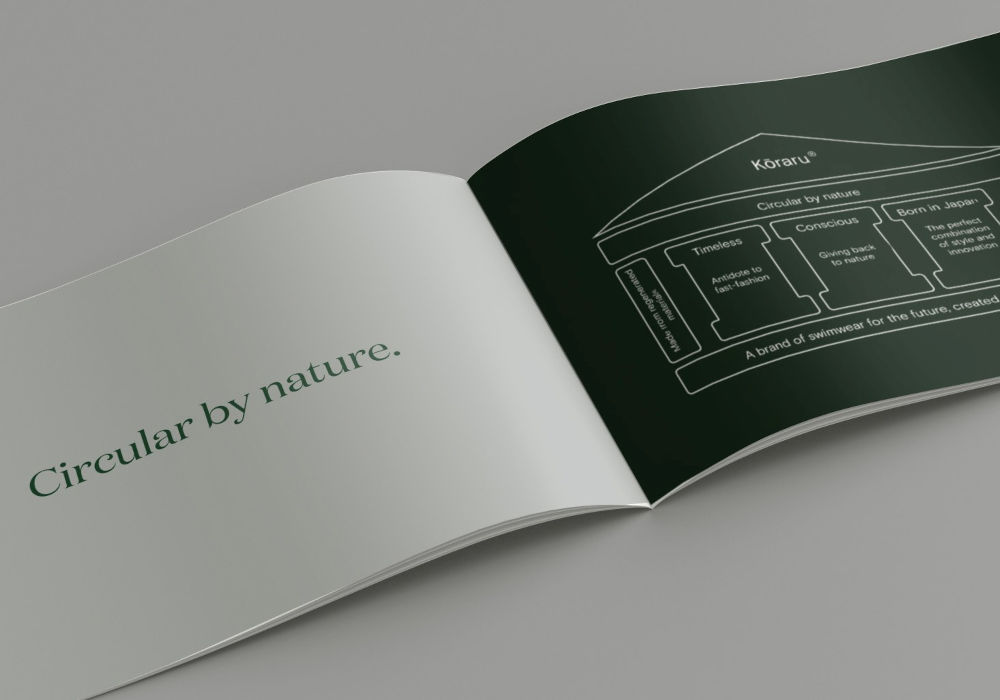
- Brand architecture across markets
- Digital identity and interface
- Social tone and visual content strategy
Each is part of a brand’s infrastructure, not its surface.
Verbal identity as foundation
Visual identity often gets the early attention. But the most confident luxury brands today are investing more in verbal identity than ever before.
A name that feels inevitable.
Copy that is calm but assured.
Language that travels across markets without losing tone.
This kind of clarity is not aesthetic-it is operational. It drives how teams write, sell, post and present. It defines launch decks and campaign tone. And most importantly, it reduces noise.
We often describe this as intelligent restraint. It is the brand saying only what needs to be said-and no more.
Digital that feels like the brand
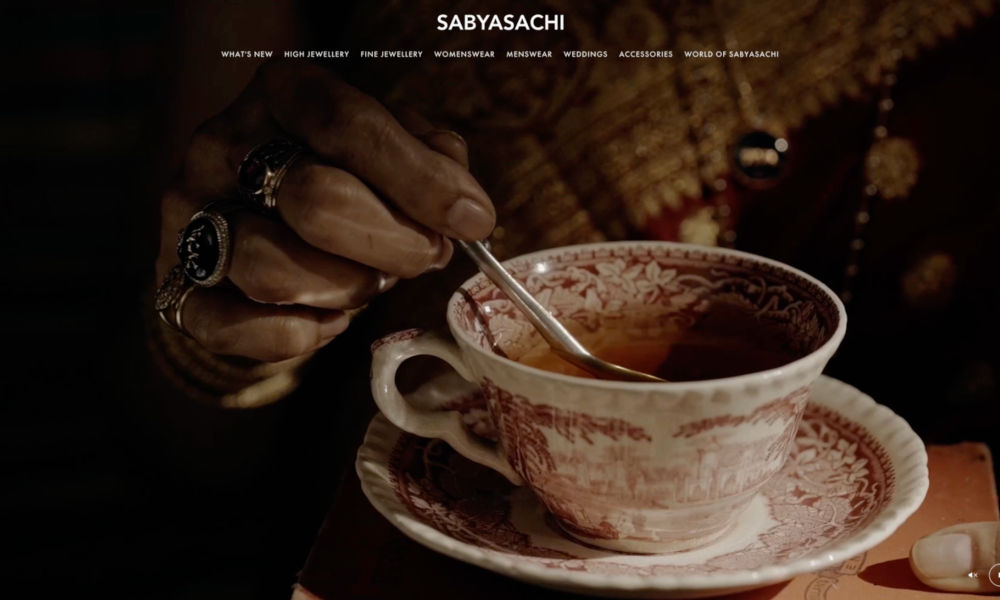
Luxury websites have changed. The best of them now function less like brochures, and more like editorial spaces-places to shape perception, not simply display product.
There is a growing rejection of complexity:
- Simple page flows
- Strong typographic rhythm
- A focus on atmosphere, not features
This does not mean minimalism for its own sake. It means authorship.
The most effective sites do not look expensive-they feel coherent. Every page feels intentional. Every absence is doing work. The experience is shaped to leave an impression, not to deliver information.
And because digital is often the first encounter a new audience will have with the brand, it becomes a decisive moment in building trust.
Social that reflects strategy
Social media remains essential, but its role in luxury is shifting.
Where once it led, now it follows.
In the most successful launches, social content is not the source of identity-it is the expression of it. The feed reflects decisions already made: in brand architecture, language, tone, and visual system.
This approach does two things:
- It prevents trend drift-where the brand slowly loses its voice trying to stay “on brand” for the algorithm.
- It allows for consistency without repetition-giving each post a role in the larger narrative.
Less volume. More intention.
Not just content calendars, but content that compounds meaning.
Moving with clarity, not speed
Luxury has always been a long game. But digital culture has compressed timelines and created pressure to perform early.
Founders are now navigating a contradiction:
Move quickly enough to gain traction-but slow enough to build something lasting.
Brands that start quietly are often better positioned to do both.
Because they begin with brand, they move with clarity. Every choice-design, content, site structure-has already been made in line with a central idea. There is less rework. Less second-guessing. Less waste.
And that efficiency leads to strength.
A brand that feels inevitable
Not every brand needs to go quiet. But every brand benefits from starting deliberately.
Whether you are launching, relaunching, or simply realigning, the clearest brands are those that take the time to define themselves before trying to be seen.
It is not about doing less. It is about doing the right things in the right order. Because the next luxury brand you see everywhere will not feel like it came out of nowhere.
It will feel like it was always there.
For brands built to last, clarity at the start is what sets everything else in motion.
Source link