From apps that let you test your own vision to platforms that track operating room tools so they don’t go missing during surgery, the startups showcased at the demo day for Techstars’ latest local cohort are all focused on innovations in healthcare.
The global accelerator launched the program earlier this year with the support of Kaiser Permanente’s DC, Maryland and Virginia arm.
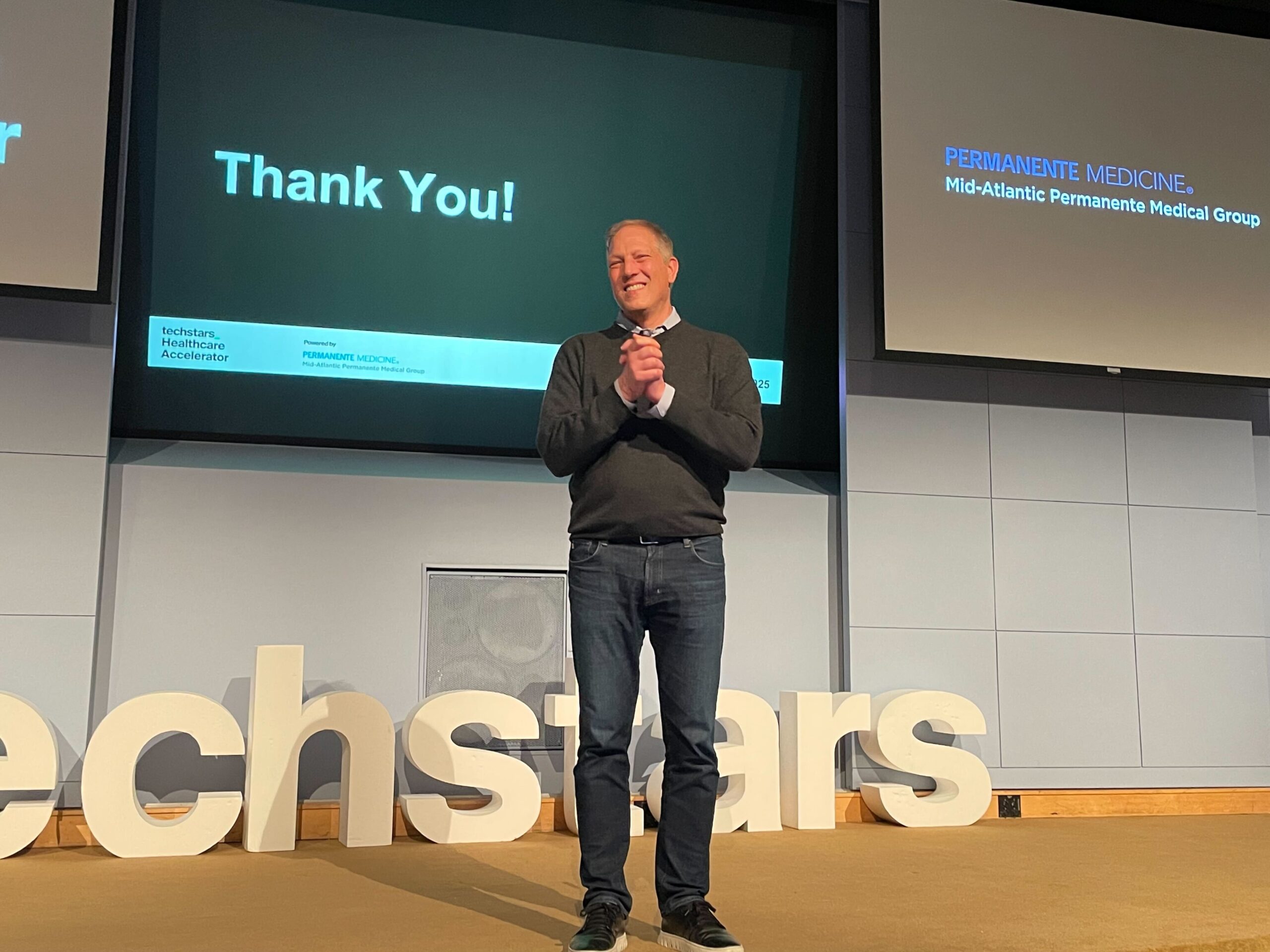
“We all know American healthcare is broken,” said Richard McCarthy, executive medical director at the Mid-Atlantic Permanente Medical Group. He stressed the importance of innovation to increase accessibility and improve the quality of care.
“Healthcare should not be a privilege. It should be a right.”
Richard McCarthy, Mid-Atlantic Permanente Medical Group
Techstars received about 400 applications for the 10 spots, McCarthy said. Over three months, participants were given access to the health providers’ network of physicians and other key resources.
“Healthcare should not be a privilege,” McCarthy told the crowd gathered to see the group’s demonstrations. “It should be a right, and I think all of us in healthcare want to make it a right. I think the work that’s done here … will effectively do that.”
Keep scrolling to meet the cohort of startups that are finding ways to spot cancer quicker and lower barriers for LGBTQ+ people finding therapists.
Valene Health
This AI-native clinical operating system specializes in hospital discharge processes, including recovery monitoring, medication and follow up appointments.
Valene Health is the “platform that never sleeps,” per cofounder and CEO Panagiotis Kakatsos. Future plans call for expanding beyond discharge operations.

TrackiMed
This startup is developing AI-powered technology to track items used in operating rooms. It sends real-time alerts to doctors about missing items (including ones that could be inside patients!).
TrackiMed’s overall goal is to reduce costs and ensure safety, said cofounder and CEO Inbar Oz.

Mindframe
MindFrame’s AI technology guides patients to behavioral health care through screening inputted symptoms and needs, and coordinating appointment bookings.
Existing systems aren’t built to quantify symptoms related to behavioral health, cofounder and CEO Pinar Gorgulu said, and the platform is intended as a “triage” for care.

CIPRA.ai
Chronic disease management needs detailed and continuous care, but current systems fail to do this at scale, per cofounder and CEO Sujit Dey. So he and his team created a digital twin platform.
Patients download the CIPRA.ai app, where they can input health stats like blood pressure and weight updates to create a specific care plan — like suggesting a different diet or flagging potential negative outcomes.

StatPoint Medical
StatPoint Medical is innovating in home health care through a platform that provides remote monitoring, continuous diagnostics and 24/7 care teams.
The aim is to prevent visits to the emergency room or being readmitted to a hospital, per founder and CEO Kris Gundrum.

Unephra
Patients who go through heart failure are often readmitted to the hospital, cofounder and CEO Farhad Taghibakhsh has seen. That’s because patients can struggle to maintain their own care, and communicate needs to providers.
Unephra created a device that sits in a toilet to test urine, and it can show signs of cardiovascular issues. A pilot study in DC is already underway.

Medicus
Medicus is an AI powered digital health platform that identifies cancer-related biomarkers.
The goal is to diagnose people faster and more accurately, while decreasing costs for the hospital, said CEO Jason An.

Allswell
There is a massive mental health crisis among LGBTQ+ people, explained Allswell cofounder and CEO Dawn Androphy. Most therapy isn’t built for LGBTQ+ people, and tailored care is often not covered by insurance.
The startup houses a therapist- and support group–matching app that’s covered by Medicaid and major insurers. They started deploying the product in Maryland this year, and it’ll be available in DC and Virginia in early 2026.

BeneKinetic
BeneKinetic is an AI coach for physical rehabilitation. It has a simple setup, per cofounder and CEO Gilbert Tyan:
Users can mount their phone and step back to show their exercises to get real time feedback.

Feyenally
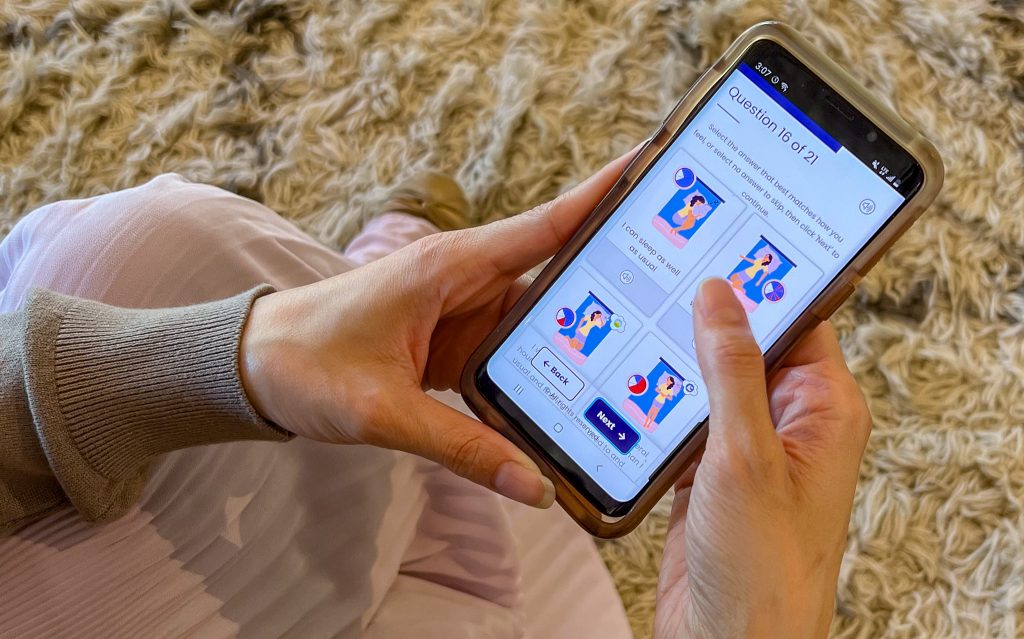
Eye specialists are perennially overbooked, and the process to get vision care is inefficient for patients and providers, explained Feyenally cofounder and CEO Piotr Kruszynski. His startup is developing an app that tests eyes with just a smartphone.
The tech is already deployed in Ghana, and the company is looking for more partners.

Source link