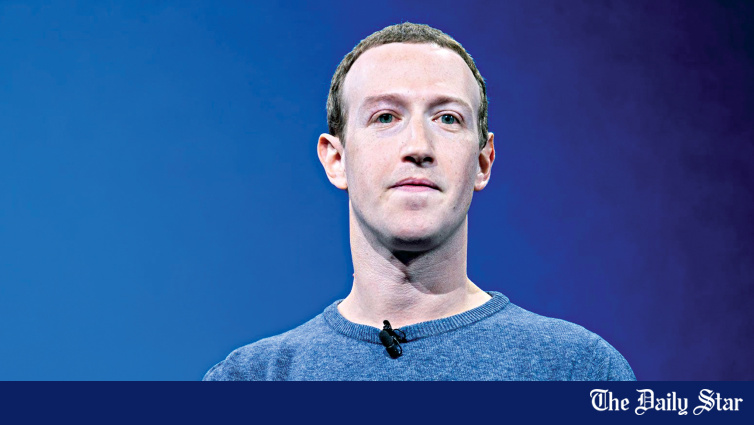
Meta is preparing to cut about 1,500 jobs from its Reality Labs division, a move that would affect roughly 10 percent of the unit’s workforce, as the company intensifies its focus on artificial intelligence (AI).
According to a recent filing submitted to the state’s Employment Security Department, Meta has already laid off 331 employees in the Seattle area and across Washington as part of the broader job cuts. The reductions will affect staff at four Meta facilities in Seattle and on the Eastside, as well as about 97 employees who work remotely in Washington. The layoffs are scheduled to take effect on March 20, the filing shows.
Meta’s Reality Labs, which focuses on virtual and augmented reality (AR) technologies, employs roughly 15,000 people and accounts for about 19 percent of Meta’s total global workforce of approximately 78,000 employees. The division has accumulated more than $70 billion in losses since 2020, making it a long-running drag on the company’s finances.
Earlier, Andrew Bosworth, Meta’s Chief Technology Officer and the head of Reality Labs, has called an all-hands meeting and encouraged employees to attend in person, describing it internally as the “most important” meeting of the year, according to Business Insider.
The job cuts come as Mark Zuckerberg, Meta’s CEO, has instructed senior leaders to rein in budgets for 2026 while committing tens of billions of dollars to AI. That investment includes expanded funding for Meta’s internal research efforts, known as the TBD Lab, which Zuckerberg has described as pursuing “superintelligence”.
As part of the AI drive, in 2025, Meta invested $14.3 billion in Scale AI and recruited its chief executive, Alexandr Wang. In late 2025, Meta also acquired Manus, a fast-growing AI agent start-up, in a deal valued at more than $2 billion.
Alongside the strategic shift, Meta has redesigned its employee review and bonus system, introducing a new performance programme called Checkpoint, reports Business Insider. Under the system, which is due to take effect in mid-2026, a small group of top performers will be eligible for bonuses of up to 300 percent of their base payout, while around 20 percent employees are expected to be rated “Outstanding” and receive double their base bonus.