- ■
Gestala launches as China’s newest BCI startup, targeting noninvasive brain access via ultrasound instead of implants, according to Wired
- ■
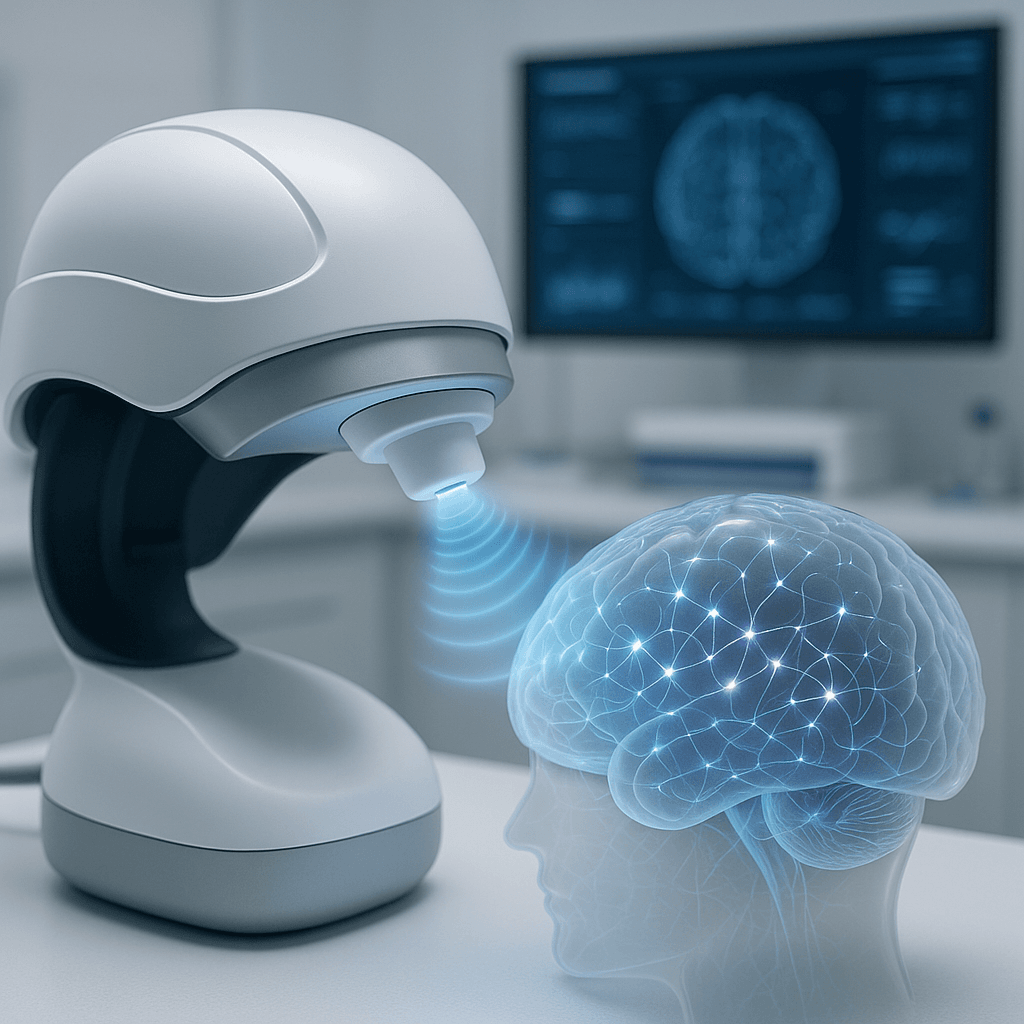
The company will first build a clinical device for chronic pain treatment, then expand to a wearable home helmet for depression, stroke recovery, and sleep disorders
- ■
Cofounded by Phoenix Peng (former NeuroXess CEO) and gaming entrepreneur Tianqiao Chen, Gestala aims to eventually read brain activity through blood flow changes
- ■
The ultrasound approach competes with OpenAI-backed Merge Labs and invasive implants from Neuralink, though technical hurdles around skull interference remain unsolved
China’s brain-computer interface race just got a new contender. Gestala, a freshly launched startup based in Chengdu with offices in Shanghai and Hong Kong, plans to access the brain using ultrasound technology instead of surgical implants. The company arrives weeks after OpenAI backed Sam Altman’s ultrasound-focused BCI venture Merge Labs, signaling a major shift in how the industry thinks about accessing neural activity without cutting into skulls.
Gestala just stepped into the brain-computer interface arena with a bold pitch – access the entire brain without surgery. The Chinese startup, cofounded by Phoenix Peng and gaming mogul Tianqiao Chen, wants to use focused ultrasound to both stimulate and eventually read neural activity, positioning itself as a noninvasive alternative to companies like Neuralink that require drilling into the skull.
The timing couldn’t be more pointed. Earlier this month, OpenAI announced a major investment in Merge Labs, another ultrasound-focused BCI startup cofounded by Sam Altman. The simultaneous emergence of two ultrasound ventures suggests the industry is betting hard on this approach as the next evolution beyond electrodes and surgical implants.
Peng, who previously ran Shanghai-based NeuroXess developing traditional brain implants, left that company last year to pursue what he sees as a more ambitious vision. “The electrical brain-computer interface only records from a part of the brain, for instance, the motor cortex,” Peng told Wired. “Ultrasound, it seems like, can provide us with the capability to access the whole brain.”