Introduction
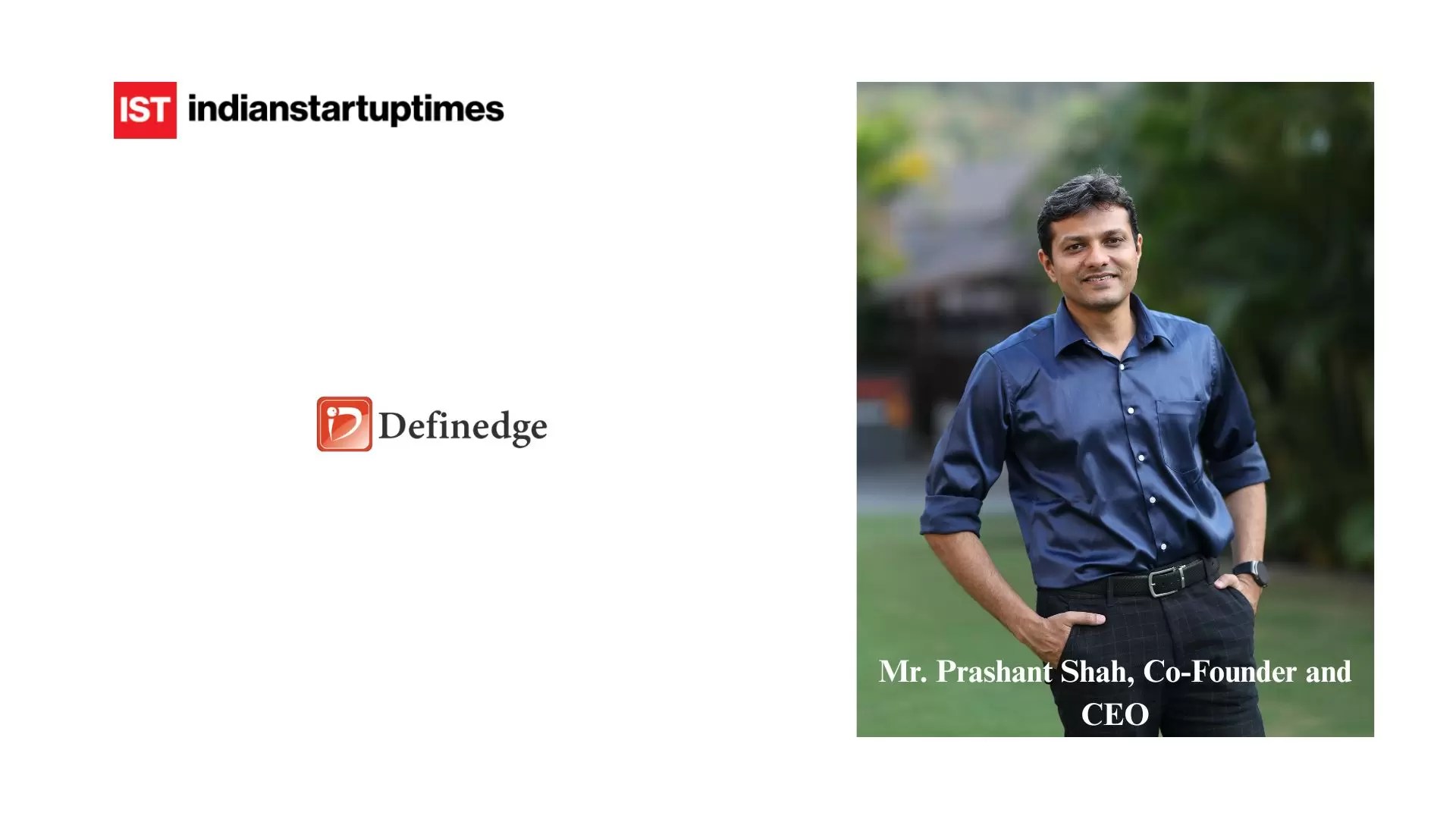
Prashant Shah, the founder of Definedge, isn’t your typical fintech entrepreneur chasing the next big valuation. He’s spent years quietly building something he believes the market genuinely needs, that is a way to help ordinary people stop trading on emotion and start trading on process.
The Real Problem Was Never Access
When Prashant Shah started Definedge, he noticed something that most people in the industry were ignoring. Opening a trading account had become easy and information was everywhere and yet people were still losing money because they had no framework to guide their decisions. “The problem in markets is not lack of access. It is a lack of structure,” he says.
People were trading on tips from friends, social media forwards, television debates, and sudden bursts of excitement. There was no system, no discipline, and no repeatability. That realisation became the foundation of Definedge and so he built a platform to help traders move from noise-driven decisions to structured, probability-based thinking.
Why Trading Feels So Overwhelming
Even with better tools available today, trading still feels like an endless mental battle for most people. Prashant Shah acknowledges this openly. Most platforms make execution easier while Definedge tries to make the decision-making clearer. When traders have no process, every call feels like a test of their intelligence. Should I hold? Should I exit? Am I right or wrong? That internal chatter is exhausting and often more draining than the financial losses themselves.
Tools like noiseless charting methods, momentum frameworks, and strategy engines were built by Definedge not to add complexity, but to reduce that anxiety. When a trader follows a tested system, decisions stop being ego-driven and start being process-driven.
Intuition Needs Structure
One of the more nuanced things Prashant Shah talks about is the relationship between gut feel and data. He doesn’t dismiss intuition. In fact, he respects it. But he draws a line between genuine intuition and inexperience.
The most successful traders, he’s observed, eventually sit down and formalise their thinking. They define their setups. They define their risk. They define when they’ll exit. Professional money always runs on models.
At Definedge, the goal is to help traders convert their understanding into structured, testable rules. Data doesn’t kill intuition. It either validates it or challenges it. And if something can’t be tested, it can’t be consistently trusted.
What the Next Decade of Investing Looks Like
Prashant Shah is optimistic about where technology is taking retail investing, but he’s also clear-eyed about the limits. He sees a future where investors design their own strategies without writing a single line of code, where AI monitors risk and suggests adjustments rather than replacing human judgment, and where tools once limited to hedge funds become available to everyone. The future, in his view, belongs to systematic thinkers.
Building the Hard Way
Definedge recently closed its first round of external funding, but for years it grew entirely through customer trust, product depth, and word of mouth. Prashant Shah chose not to chase early valuations or outside capital, and he says that patience shaped everything about the company’s culture. It forced them to focus on profitability and long-term alignment with users rather than growth metrics that looked good in pitch decks.
Advice to Young Founders
For founders building in India today, Prashant Shah’s advice is grounded in the same philosophy that shaped Definedge. Don’t chase trends. Build conviction. Don’t mistake marketing traction for genuine product-market fit and resist the pressure to grow fast, raise quickly, or appear bigger than you are.
Interview by : Khevna Reddy