Empathy AI founder Ángel Maldonado Elvira tells Sifted why you should resist VC cheques.
All anyone in startup land is talking about is how many millions of dollars X startup has raised at Y valuation. Doesn’t it all feel familiar?
In 2020 and 2021, global VC funding surged to historic levels, reaching US$671bn by the end of 2021, with SaaS, fintech, and healthtech leading the charge. Then came the correction: $214bn in 2023, a 40% decrease from a year earlier.
Last year saw a surge in VC investment, reaching more than $500bn, according to the consultants at KPMG. Now VC cash is flooding into hot new startups, many of them — like Legora and Lovable — in Europe, and the vast majority of them are AI startups.
Not my AI startup, though.
I have had — and continue to have — offers from VCs, and I say no. I am not interested in what they are selling: investments driven by hype cycles and fear-of-missing-out and the expectation that you will either go stratospheric or crash and burn.
Every three to five years, we pretend that this time it will be different, and the discourse around startups becomes valuation theatre. On the one hand, we are told that the tech media is only interested in funding rounds — then the same people say that they are no longer interested in funding rounds. The reality is, we are addicted to them.
And while it is tempting to see 2026 as the year that VC bounced back, in reality the overall scene is distorted by massive raises and valuations by a few startups: fewer companies raising bigger rounds. There remains a drought when it comes to exits, and the IPO window (Klarna’s October 2025 float notwithstanding) remains largely closed.
‘Blitzscale or die’ is wrong
VCs want exits, and they want them within 10 years, maximum. Mandates for growth force companies to scale prematurely. I cannot understand how we remain in the ‘blitzscale or die’ mindset when it has been proven wrong so many times. VC cash requires you to hand over control to people who do not share your aspirations or your vision.
You don’t need it. I built my startup the old-fashioned way: one customer, one invoice, and with a very modest bank balance. When you bootstrap a startup, it is your early customers who act as your investors. You balance those customers’ needs with your product strategy.
You bring them along with you and convince them of a strategic vision, rather than using your product as a commodity. When cash is scarce, you have to be disciplined. You have to learn to charge for services early, and so those services have to be better. You have to hire tactically, bringing in the right people at the right times.
I’ve made mistakes: I wish I had trusted my intuition about people and values even earlier. In the middle phases, when we were growing fast, I was too generous with titles — and trust — because I needed the help. But over time I learned that skills are actually abundant, but values alignment is rare, and that bringing too many executives can kill the magic.
VC cash isn’t always a bad thing: deeptech and biotech, so reliant on expensive R&D, can, and do, utilise it to their advantage, although — ironically — it is these sectors that have traditionally struggled to raise money from VCs.
We’ve played the long game — it took me 10 years to grow to 100 people — but we have been profitable from day one. That has given us the freedom to ignore hype cycles and to survive downturns.
And while it is fashionable to be critical of the European tech mindset, I say to European founders: be more European. Ask yourself, what is a business? And if a business exists only to make a profit, then fine, but is that also your raison d-être as a founder?
This might be seen as anti-business, but I’d argue that it is pro-business, pro-growth — but meaningful and rooted growth. We can’t continue to give in to the unsustainable growth demanded by VCs. We need to think beyond quarters and fiscal years.
My question boils down to: what kind of company do you want to build? And is VC money really getting you there?
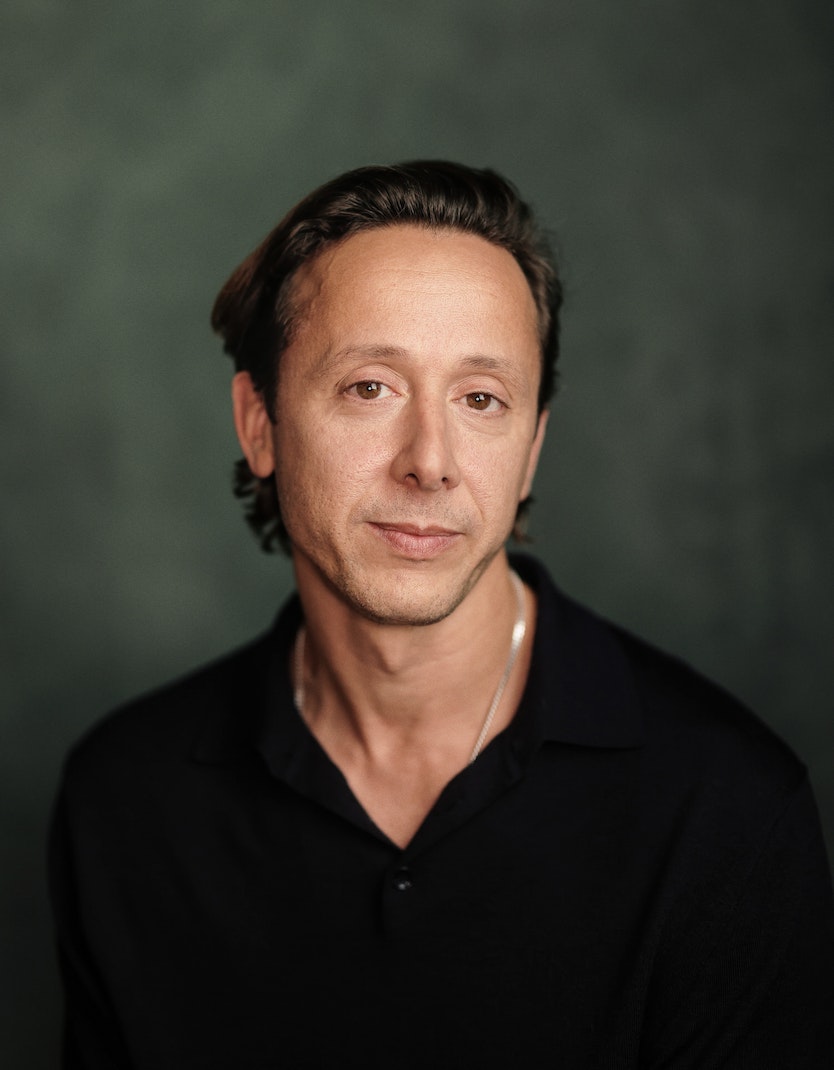
Ángel Maldonado Elvira is founder of Empathy AI, which builds private, self-hosted AI systems.