
These female-led future food startups are using technology to supercharge the women’s health and wellness category.
It’s appalling that, even today, women spend 25% more time in poor health compared to men, the result of a cocktail of diagnostic delays, a lack of tailored treatments, and historic underinvestment in conditions that primarily or disproportionately affect them.
Women are still largely underrepresented in clinical trials: only 7% of healthcare research focuses on conditions exclusively affecting them. It’s why many companies still use data from mixed or male-dominant studies to formulate wellness products for women.
The good news? A small, but growing shift is happening. A handful of female-founded startups is flipping the script with tech-forward, sustainable innovations tailored to women’s health, from lactoferrin and iron supplements to functional beanless coffee and plant-based multivitamins, tapping into what McKinsey considers a $1T opportunity.
Here are the women-led startups spearheading the shift towards future-friendly female nutrition.
1) Helaina
Founder: Laura Katz
Funding: $83M
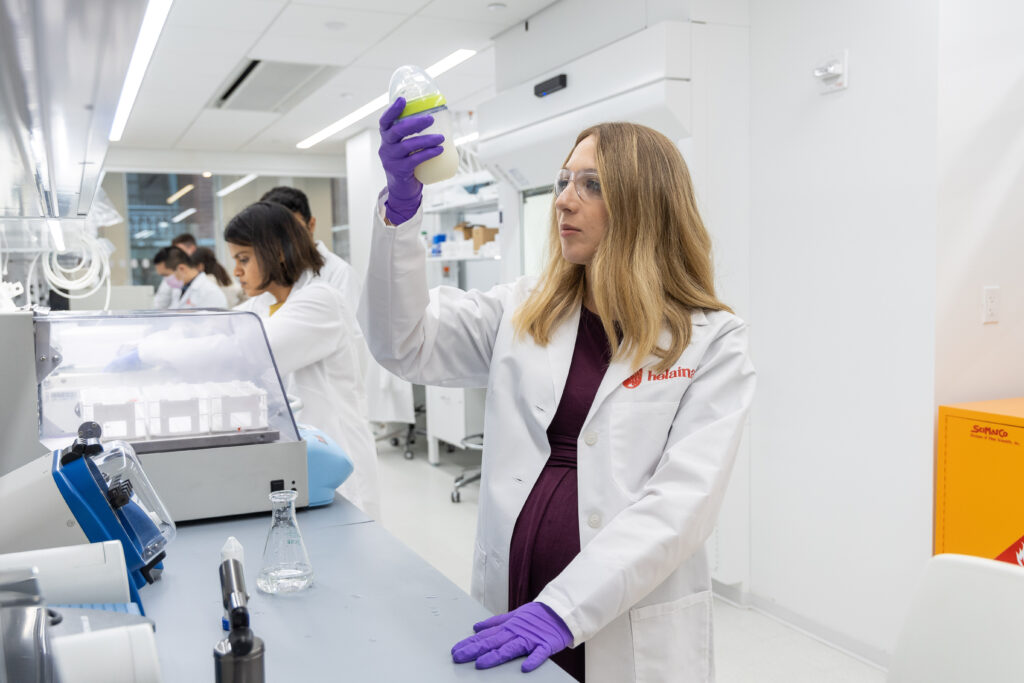
Food scientist Laura Katz founded Helaina to produce a recombinant breast milk protein via precision fermentation. The New York-based startup’s human lactoferrin, effera, boasts iron-regulating, gut health and immune-boosting properties, and is built on clinical research that includes women-specific studies.
Women’s health is the firm’s chief focus, and effera is available in around a dozen products across the US, including cycle-syncing protein powders, colostrum supplements, and gummies designed to protect against hormonal fluctuations.
“We prioritise ingredients that promote a meaningful health benefit to women at a specific life stage. The gut-immune-iron axis is a good example because it underpins energy, resilience, and overall well-being for menstruating, pregnant, menopausal, and physically active women,” Katz told Green Queen in January.
2) Ironic Biotech
Founder: Nélida Leiva Eriksson
Funding: $1.1M
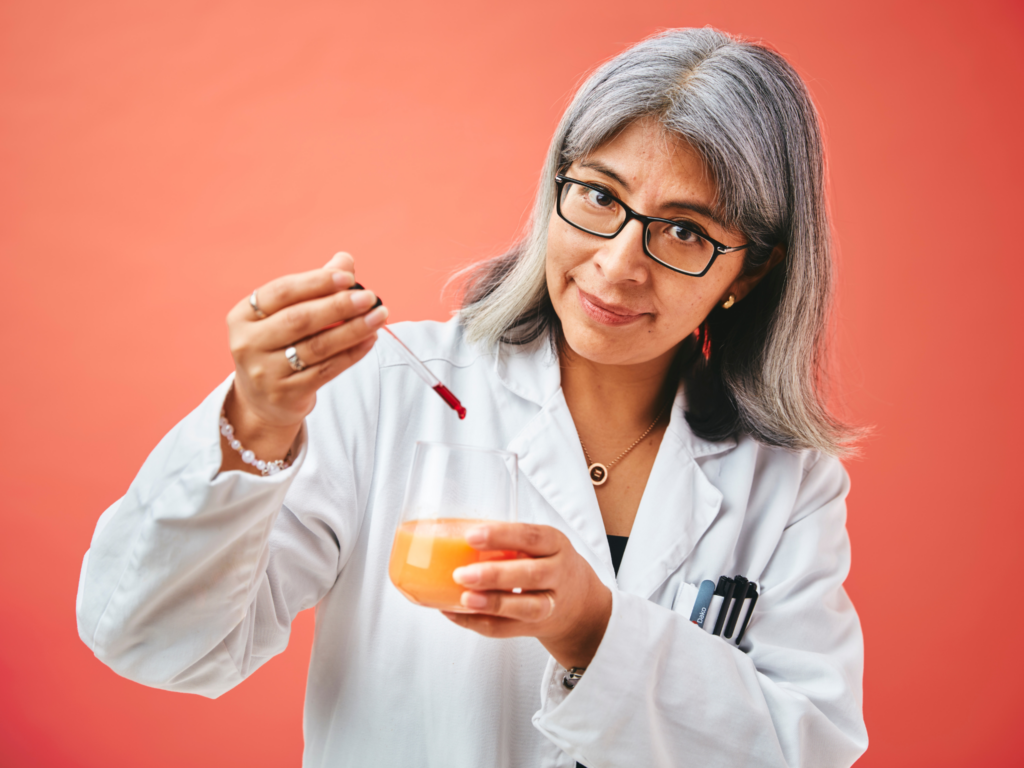
An associate professor at Sweden’s Lund University, Nélida Leiva Eriksson’s own anaemia diagnosis sparked the idea for Ironic Biotech, a startup using precision fermentation to develop plant-derived heme protein, a readily absorbed form of iron.
Eriksson was determined to find a solution that would prevent her daughters from becoming iron-deficient, wary of the fact that nearly a third (31%) of women suffer from anaemia globally. Many women are advised to take iron supplements, most of which are poorly absorbed, and others, like Eriksson, are recommended iron infusion therapy, which can cost over $1,000.
Ironic Biotech’s heme, obtained from edible plant proteins with high iron bioavailability, has been found to absorb iron 65 times better than lactoferrin when combined with ascorbic acid (vitamin C). It also outperforms iron sulfate and other common supplement ingredients, like iron bisglycinate and ferritin with enhancers, by a factor of more than 10.
3) TurtleTree
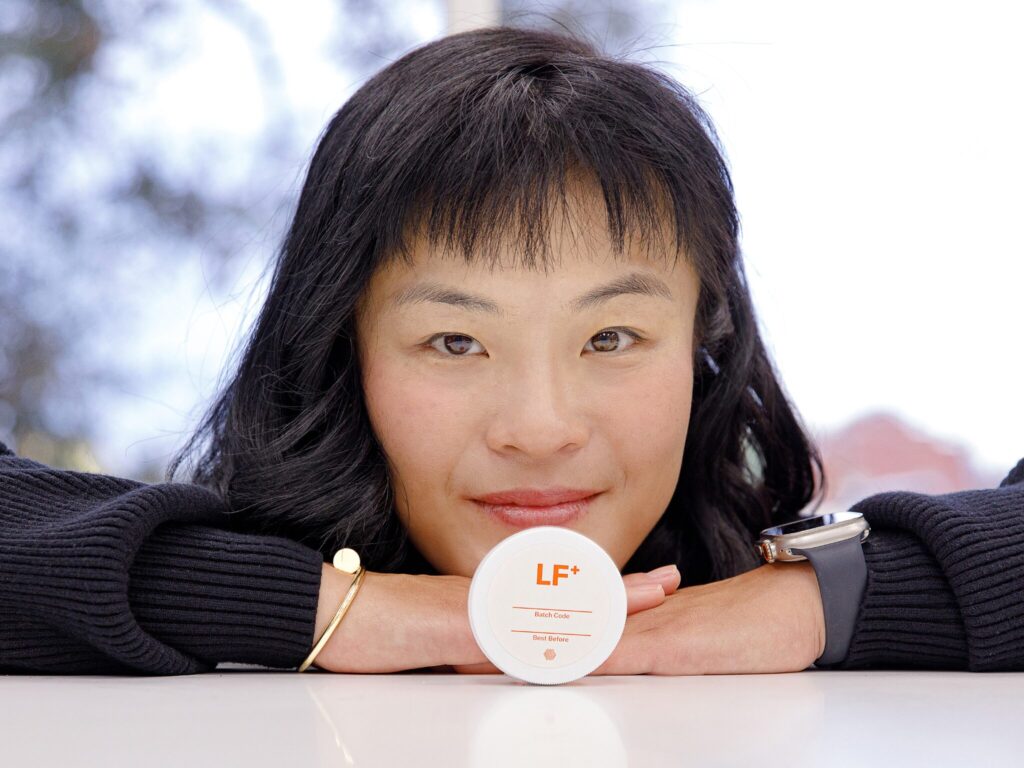
Founders: Fengru Lin, Max Rye
Funding: $40M (approx)
Singapore-based TurtleTree transitioned from cell-cultured milk to precision-fermented lactoferrin after noticing the white space in the latter category. It is producing a recombinant version of bovine lactoferrin, and was the first in the world to receive regulatory clearance to sell this ingredient, both in Singapore and the US.
Last year, the company launched Intentional, a consumer brand in the US straddling the lactoferrin-iron axis. Its first product, IronKind, combines lactoferrin with prebiotics to support iron regulation, improve energy levels, and enhance gut health.
It was born out of founder and CEO Fengru Lin’s personal struggles with traditional iron supplements, which caused her body to overload, leading to side effects like bloating and constipation.
“While lactoferrin helps sequester iron from bad bacteria, which need iron to flourish, the prebiotics help to flourish the beneficial bacteria. Thus, these two ingredients work together to balance the gut microflora,” Lin explained.
4) Earthful
Founders: Veda Gogineni, Sai Sudha Gogineni
Funding: $4M (approx)
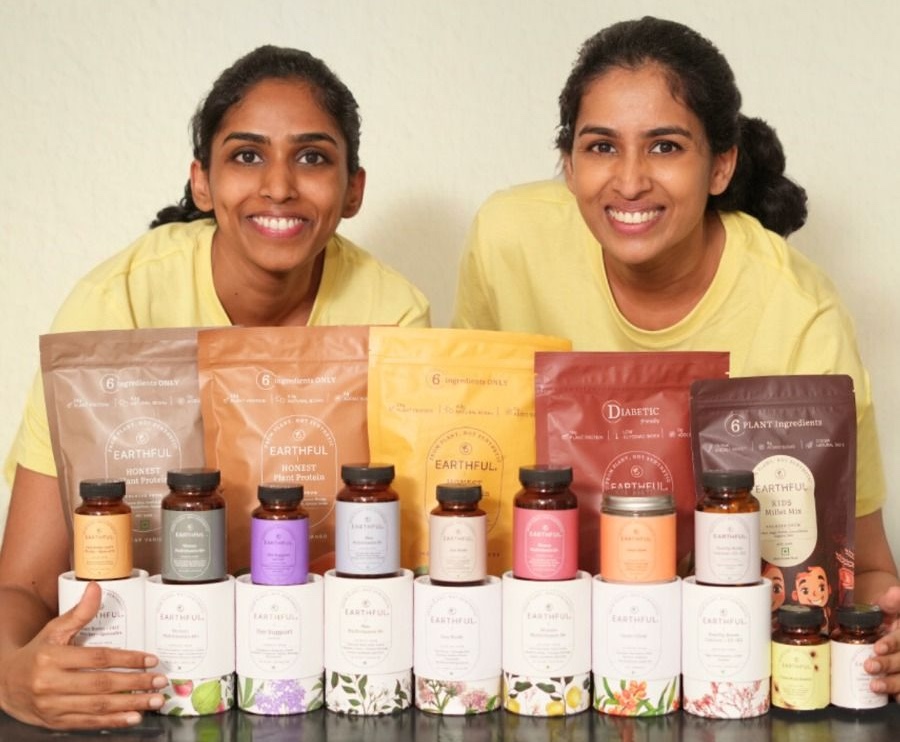
Established by two sisters, Earthful is an Indian plant-based nutrition brand that found national fame on Shark Tank. After years of working corporate jobs in different cities, Veda and Sai Sudha Gogineni found themselves living under the same roof during Covid-19, which sparked the idea behind the business.
The company was founded specifically for women aged 35+, offering multivitamins and supplements for menopause, PCOS, sleep and stress support, as well as clean-label protein powders. In fact, the startup was the first to introduce a herbal multivitamin for menopausal women in India.
Earthful is addressing some of the most pressing nutrition gaps for Indian women, a larger percentage of whom are anaemic and protein-deficient.
5) Løuco
Founders: Dr Jo Mennie, Rachel Prince
Funding: Undisclosed
In the UK, women’s health experts Dr Jo Mennie and Rachel Prince are making science-backed protein powders entirely for female wellness with Løuco, a company they say “began with a personal journey, from battling infertility to the joys of motherhood”.
The startup makes two protein blends, both of which offer fibre and essential vitamins and minerals. Nourish is designed to meet the core nutritional needs through every stage of women’s lives, including pregnancy, breastfeeding and postpartum, with support for immunity, hormones and collagen.
Meanwhile, Perform contains vegan creatine and supports recovery, bone health and vitality for active women and those who are navigating their 30s, 40s, perimenopause or menopause.
6) Nūmi
Founders: Eugénie Pezé-Heidsieck, Eden Banon-Lagrange
Funding: $3.2M
French startup Nūmi makes cell-cultured breast milk to alleviate the pressure felt by new mothers to breastfeed. It’s something the founders observed in their friends and family members, too, who either had challenges breastfeeding or faced stigmas when deciding not to.
About 5-10% of women are physiologically unable to breastfeed, but many more say they’re not producing enough or have nutritional deficiencies in their milk. In 2019, a study of 552 mothers found that about 70% experienced breastfeeding difficulties (mostly within the first month) like “cracked nipples, perception of insufficient amount of milk, pain and fatigue”.
Nūmi positions its cultivated breast milk as a superior alternative to infant formula, most of which is dairy-based and associated with gastrointestinal infections and childhood obesity.
It uses cell culture tech to recreate the optimal environment for the development of mammary glands and feeds them with essential nutrients to produce breast milk. It is looking to replicate as many of the 1,500 constituents found in human milk, with the aim of improving infant nutrition and the physical and mental well-being of new mothers.
Source link
