


Korea’s startup funding activity in early March highlights where venture capital is concentrating after a year of recalibration. Recent investments reveal a pattern: applied deep technologies in healthcare, robotics, and enterprise AI are attracting capital as investors prioritize solutions with clear commercial pathways. The latest funding rounds offer a snapshot of how Korea’s innovation ecosystem is translating research capabilities into deployable technologies.
AI Healthcare and Industrial AI Drive Korea’s Latest Startup Funding Activity
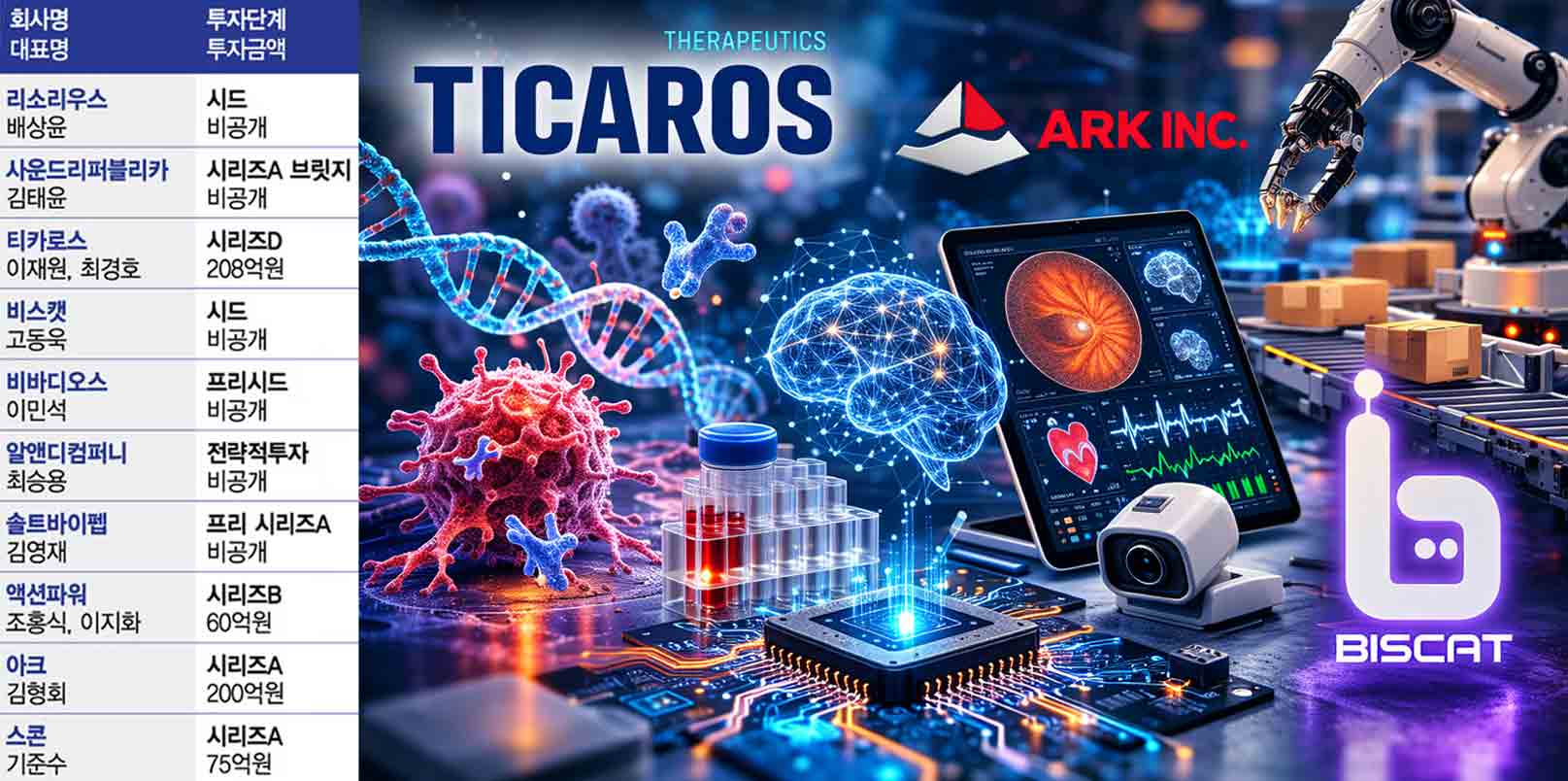
During the first week of March 2026, ten Korean startups announced new investment rounds. The group includes:
- Risorius (리소리우스)
- SoundRepublica (사운드리퍼블리카)
- Ticaros (티카로스)
- Biscat (비스캣)
- Viva Dios (비바디오스)
- RND Company (알앤디컴퍼니)
- Salt by Peb (솔트바이펩)
- ActionPower (액션파워)
- ARK (아크), and
- Scon (스콘).
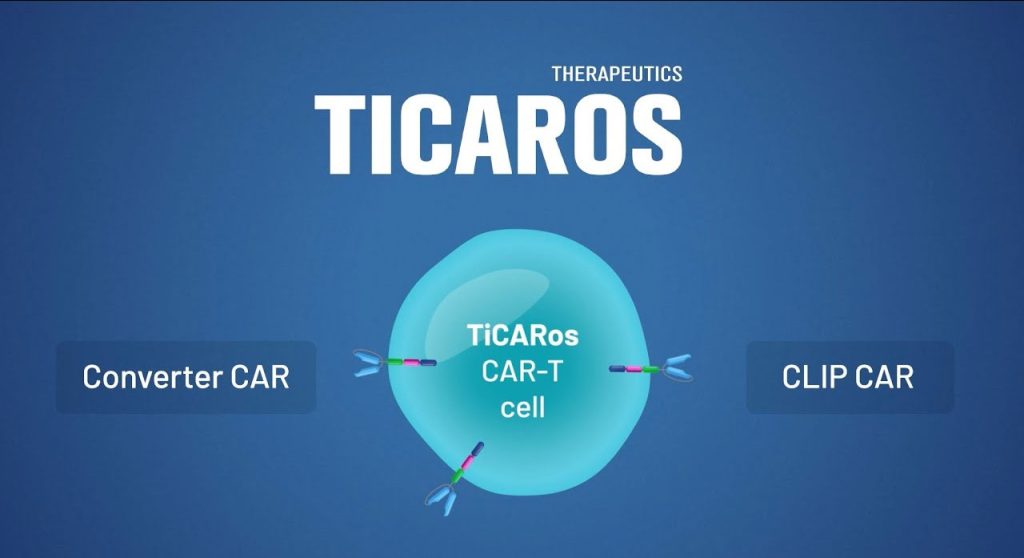
Two companies secured the largest deals. Ticaros, a developer of CAR-T immunotherapy treatments, raised KRW 20.8 billion in Series D funding. ARK, which develops AI systems for early screening of chronic disease complications, completed a KRW 20 billion Series A round.
Other startups raised earlier-stage capital as they prepare for commercialization.
Seed and pre-seed investments went to companies such as Biscat, which develops robot operations platforms, and Viva Dios, an AI-based Christian content platform that applies conversational interfaces and short-form media to religious education.
These funding rounds reflect a mix of biotechnology, medical AI, industrial automation, enterprise AI tools, and digital content platforms.
Korea’s Startup Funding Snapshot: Healthcare, Robotics, and AI Platforms
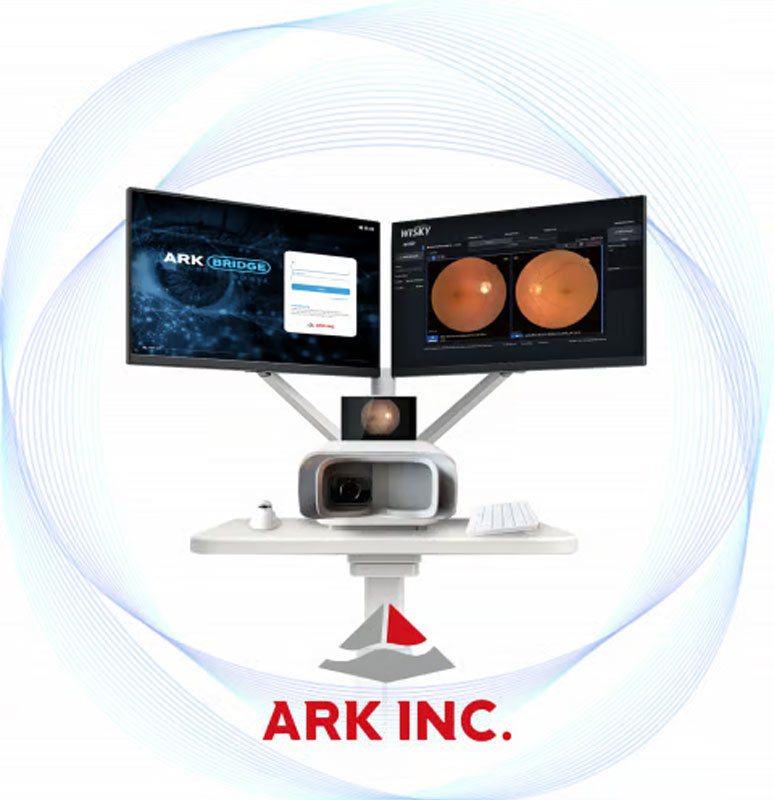
The largest healthcare deal involved ARK, an AI screening company focused on complications associated with chronic diseases such as hypertension and diabetes.
ARK’s system analyzes medical data to detect early indicators of conditions including macular degeneration, glaucoma, diabetic retinopathy, cardiovascular disease risk, and chronic kidney disease risk. The company reported that it has secured reservations and orders from around 1,000 hospitals and clinics across Korea, with products already delivered to more than 700 institutions.
Distribution of ARK’s solution is being expanded through a partnership with Daewoong Pharmaceutical, enabling broader access to healthcare providers.
Biotech company Ticaros is advancing CAR-T therapies for blood cancer. Its lead candidate TC011 recently completed Phase 1 trials targeting relapsed or refractory B-cell lymphoma. The company reported a 100 percent objective response rate and 100 percent complete remission rate among nine treated patients across multiple dosage cohorts.
Following the new investment, Ticaros plans to accelerate Phase 2 trials of TC011 and prepare TC091, a solid tumor treatment candidate, for Phase 1 trials.
Industrial Automation and Enterprise AI Attract New Venture Capital
Beyond healthcare, industrial automation and enterprise productivity tools also attracted funding.
Robotics startup Biscat secured seed investment from Bluepoint Partners, a deep-tech accelerator known for backing early industrial technology ventures.
Biscat is developing a platform that integrates robots produced by different manufacturers into a unified operational system. Many factories operate dozens or hundreds of robots built using incompatible standards. The absence of universal software means engineers often need to rewrite code whenever production processes change.
Biscat’s platform uses two core technologies. STAR-Core serves as a universal motion-planning engine compatible with different robot drive systems. STAR-Grapher enables real-time decision-making for operational tasks, automatically recalculating routes and workflows when disruptions occur.
Enterprise AI company ActionPower also secured new funding, raising ₩6 billion in Series B investment and bringing total capital raised above KRW 20 billion.
The company develops multimodal AI capable of processing voice, text, and image data. Its flagship service Daglo experienced nearly fourfold revenue growth last year, with cumulative voice processing reaching 13 million hours.
ActionPower also serves enterprise clients including DB Life Insurance, Hancom, Seoul National University Hospital, Daegu Metropolitan Government, and KT Skylife.
Food Tech and Digital Content Startups Join the Funding Momentum
Food technology company Salt by Peb raised Pre-Series A investment to expand its engineering-based meat quality technology.
The company uses microbiome-based aging processes combined with rapid freezing techniques to control variations in meat flavor and texture. Its algorithm incorporates microorganisms derived from Jeju Island to enhance tenderness and umami flavor even in lower-grade raw meat.
The technology also reduces juice loss during freezing to below 3 percent, allowing frozen products to maintain texture similar to chilled meat.
Meanwhile, Scon, a virtual entertainment company that produces digital character intellectual property using motion capture and live streaming technology, raised KRW 7.5 billion in Series A funding.
The company operates around 40 virtual character IPs, including the virtual idol group Meechu. Revenue from its virtual IP business reportedly increased more than fourfold in 2024 compared with the previous year.
What This Investment Activity Signals for Korea’s Startup Ecosystem
The latest funding activity illustrates how Korea’s venture ecosystem continues to prioritize technologies with measurable commercial application.
KoreaTechDesk previously highlighted a broader shift in venture capital toward deep-tech sectors such as AI infrastructure, energy, robotics, and advanced manufacturing. The early March funding rounds extend this pattern into applied solutions.
Healthcare AI stands out as a notable focus. Korea’s rapidly aging population and the growing prevalence of chronic diseases are driving demand for early diagnostic and prevention technologies. ARK’s rapid adoption across hospitals suggests that medical AI screening tools are beginning to move from experimental deployment to clinical usage.
Industrial automation is another emerging theme. Biscat’s platform addresses operational complexity in factories that operate heterogeneous robot fleets. As manufacturing automation scales, integration software may become a critical infrastructure layer.
Enterprise AI tools such as ActionPower’s workflow automation platform show another commercialization pathway. Instead of general-purpose generative AI, companies are building systems tailored to enterprise operations and productivity.
This mix of healthcare AI, industrial automation, and enterprise AI reflects a broader venture strategy focused on deployable technology rather than speculative platform models.
Applied AI and Deep Tech Continue Shaping Korea’s Venture Landscape
Korea’s venture ecosystem has been undergoing structural adjustment following the valuation corrections of recent years. Investment patterns now show stronger emphasis on technology with verifiable use cases and early revenue signals.
The startups raising capital in early March illustrate this shift. Many already report partnerships with hospitals, factories, or enterprise customers.
If this trend continues, Korea’s startup ecosystem may increasingly differentiate itself through application-driven deep technology rather than consumer platform expansion.
For global investors and founders watching Asia’s innovation landscape, these developments highlight Korea’s growing role as a testbed where advanced technologies move from laboratory research into operational markets.
Key Takeaways on Korea’s Startup Funding First Week of March 2026
- Ten Korean startups announced funding rounds during the first week of March 2026 across healthcare, robotics, AI, food technology, and digital content.
- Ticaros raised KRW 20.8 billion in Series D funding to accelerate CAR-T cancer therapy development.
- ARK secured KRW 20 billion in Series A funding to expand AI-based screening for complications linked to chronic diseases.
- Biscat received seed funding for a robotics platform designed to integrate heterogeneous robots in industrial environments.
- ActionPower raised KRW 6 billion in Series B funding to expand its multimodal AI workflow automation platform.
- Salt by Peb is developing microbiome-based meat aging technology combined with advanced freezing systems for food industry applications.
- Scon raised KRW 7.5 billion in Series A funding to expand its virtual entertainment and digital character IP business.
- The funding pattern reinforces Korea’s venture shift toward applied deep-tech commercialization in healthcare, industrial automation, and enterprise AI.
🤝 Looking to connect with verified Korean companies building globally?
Explore curated company profiles and request direct introductions through beSUCCESS Connect.
– Stay Ahead in Korea’s Startup Scene –
Get real-time insights, funding updates, and policy shifts shaping Korea’s innovation ecosystem.
➡️ Follow KoreaTechDesk on LinkedIn, X (Twitter), Threads, Bluesky, Telegram, Facebook, and WhatsApp Channel.
Source link