

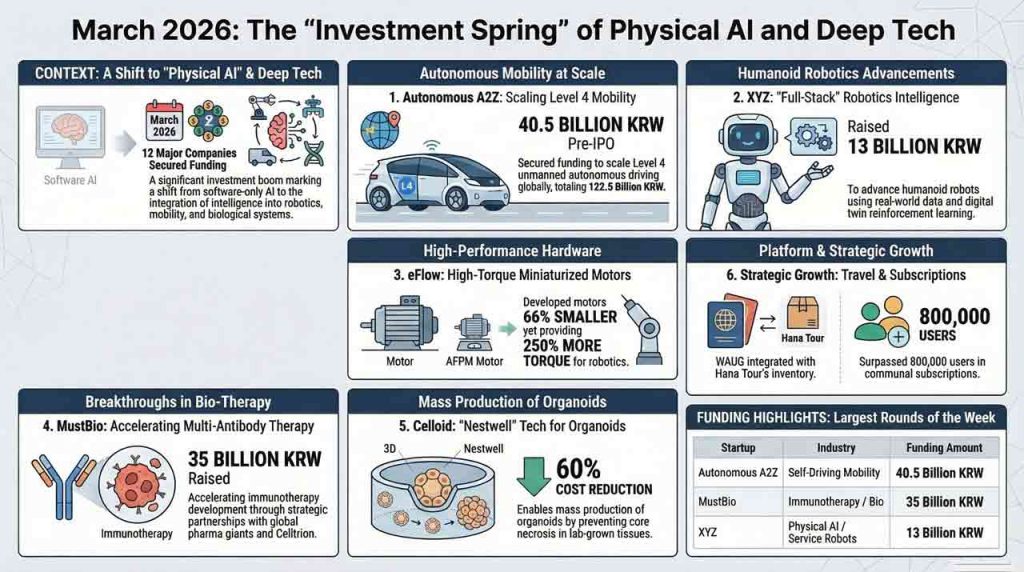
South Korea’s startup investment activity in mid-March offers a clearer view of where deep-tech innovation is heading. Funding rounds across autonomous driving, robotics, and biotechnology show investors backing technologies approaching real-world deployment. The latest capital flows suggest that Korea’s venture ecosystem is moving beyond pure software AI toward systems designed to operate in physical environments such as mobility, healthcare, and robotics.
Korea’s March Funding Activity Signals Growing Interest in Physical AI
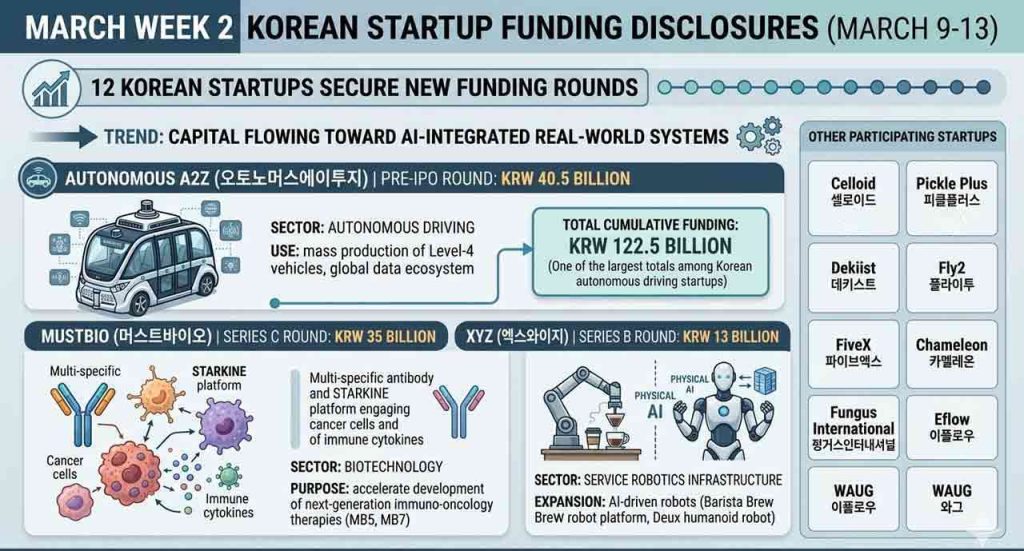
During the second week of March (March 9–13), twelve Korean startups announced new funding rounds according to domestic startup investment disclosures.
The companies include:
Several of the largest rounds were concentrated in autonomous driving, robotics infrastructure, and biotechnology.
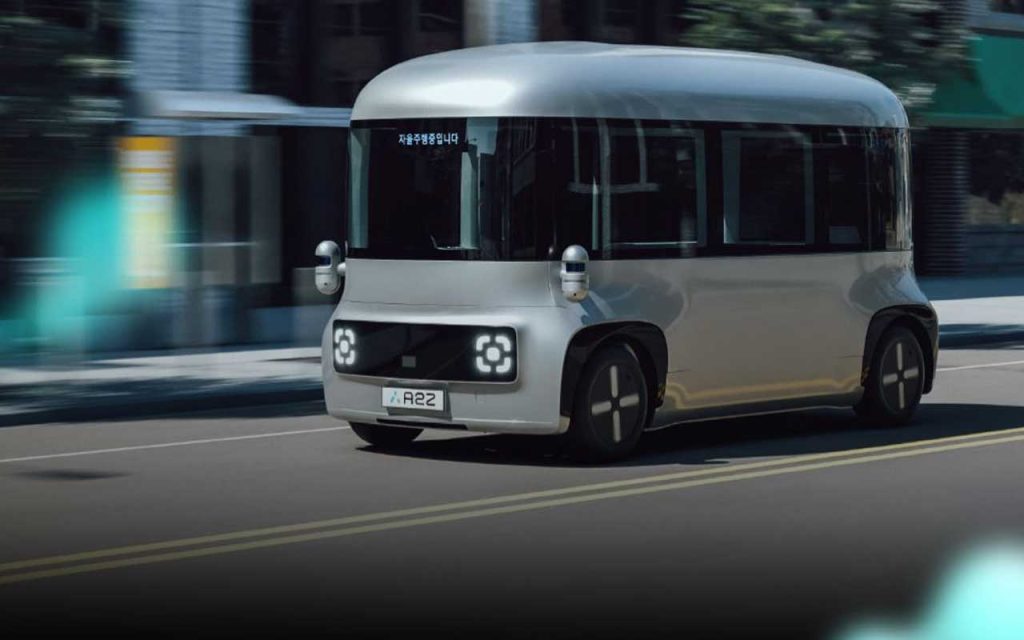
Autonomous driving technology developer Autonomous A2Z secured KRW 40.5 billion in pre-IPO investment, bringing its cumulative funding to KRW 122.5 billion, one of the largest totals among Korean autonomous driving startups.
Biotechnology company MustBio raised KRW 35 billion in Series C funding to accelerate development of next-generation immuno-oncology therapies.
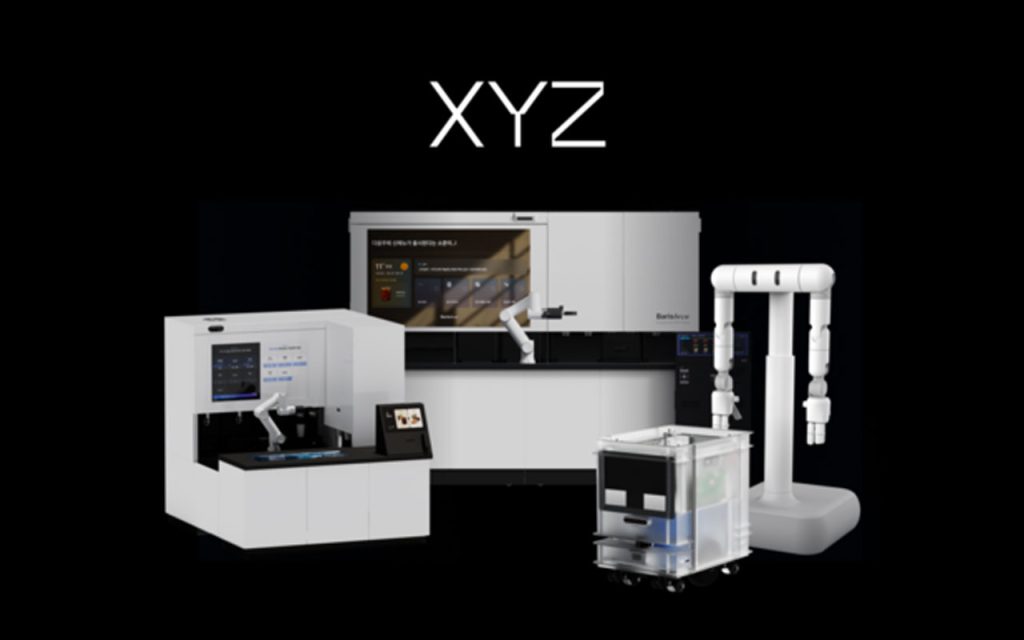
Service robotics company XYZ secured KRW 13 billion in Series B investment to expand development of AI-driven robots including its barista robot platform and a dual-arm humanoid robot designed for real-world environments.
These investments reflect a broader pattern of capital flowing toward technologies that combine AI with real-world systems.
Autonomous Systems and Robotics Edge Closer to Commercial Deployment
Several of the funded startups are building technologies intended to operate in complex physical environments.
Autonomous A2Z is developing a hybrid end-to-end autonomous driving architecture that combines rule-based systems with artificial intelligence. The company aims to improve the safety of Level-4 fully driverless vehicles and plans to accelerate global commercialization following the new investment.
The company is preparing to apply for preliminary review under Korea’s technology-special listing track for the KOSDAQ, targeting a public listing within the year.
Robotics developer XYZ has built an internal infrastructure that covers the entire Physical AI lifecycle. The company collects real-world interaction data through its own retail environments while also using custom hardware devices to gather robotic manipulation data.
These datasets are processed through digital twin simulations and reinforcement learning to improve robotic intelligence engines. The company plans to test its dual-arm humanoid robot in operational retail settings.
Investment activity also reached core robotics components. Eflow, a company specializing in axial flux permanent magnet motors, received strategic investment from Sungwoo Hitech, a KOSDAQ-listed automotive supplier.
Eflow’s motor technology reportedly reduces physical size to roughly one-third of conventional products while generating more than 250 percent of the torque output. The companies plan to expand the technology into applications including humanoid robots and industrial actuators.
Biotech and Cell Engineering Continue to Attract Capital
Biotechnology remained a major area of investor attention.
MustBio is developing immunotherapy drugs based on its BICSTA multispecific antibody platform and STARKINE immune cytokine technology, which is designed to activate selectively inside tumors.
The company has participated in an open innovation program with Johnson & Johnson and signed a joint research and development and licensing agreement with Celltrion in 2025.
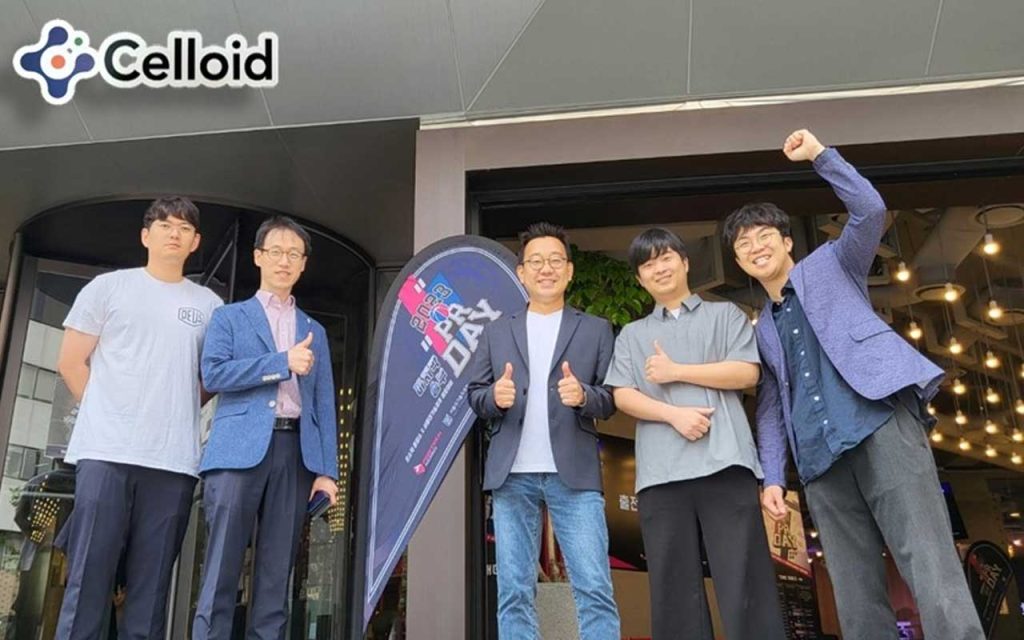
POSTECH spin-off Celloid also secured KRW 9 billion in Series A funding to expand development of its automated 3D cell culture platform.
Its main product, Nestwell, uses a nanofiber membrane to allow oxygen and nutrients to reach cells in dense three-dimensional cultures. The technology is intended to address a common limitation of traditional cell culture systems in which the inner core of cell clusters becomes deprived of oxygen.
Researchers suggest that the platform may enable more stable long-term cultivation of organoids such as kidney and liver models.
Platform and Commerce Startups Also Draw Investor Attention
Although deep-tech companies dominated larger investment rounds, platform startups also attracted funding.
Pickle Plus secured Series A investment to expand its shared-subscription platform. The service allows users to collectively subscribe to digital services such as video streaming, music, memberships, education, and productivity software.
The company operates automated matching and settlement systems along with fraud protection features. Its user base has reportedly surpassed 800,000 members.
Travel activity booking platform WAUG also received strategic investment from HanaTour, Korea’s largest travel agency.
The partnership will integrate HanaTour’s flight and accommodation inventory with WAUG’s platform, which currently offers activity bookings across more than 230 cities worldwide.
WAUG said it plans to combine its platform technology with HanaTour’s travel inventory to expand services for global travelers.
Ecosystem Significance: Korea’s Deep-Tech Investment Shifts Toward Deployment
Previously, KoreaTechDesk has already identified several structural changes in Korea’s venture market. These include the return of early-stage investment, the growing role of strategic investors, and stronger capital flows into deep-tech sectors such as robotics and semiconductor infrastructure.
The latest funding activity suggests another phase in that evolution.
Rather than focusing solely on early research breakthroughs, investors appear increasingly willing to support startups approaching operational deployment.
Examples include autonomous driving systems preparing for commercial rollout, service robots undergoing pilot testing in real retail environments, robotics component technologies expanding into industrial applications, and biotechnology companies entering advanced development stages.
These signals indicate that parts of Korea’s deep-tech ecosystem are moving from research-driven innovation toward deployment-oriented scaling.
For international investors and founders, Korea’s market now offers an environment where advanced engineering and AI systems can be tested and refined in real operational settings.
Outlook: Applied Deep Tech May Define Korea’s Next Innovation Phase
Korea’s venture ecosystem has undergone valuation adjustments and investment discipline over the past several years.
Funding activity emerging in 2026 suggests that capital is increasingly directed toward companies demonstrating technological depth along with visible commercialization pathways.
Startups securing funding in mid-March often reported partnerships with industrial companies, hospitals, or consumer platforms. These collaborations may play a central role in scaling deep-tech innovations into real-world deployment.
If the current trajectory continues, Korea’s startup ecosystem may strengthen its position as a hub where advanced AI, robotics, and biotechnology technologies move from laboratory research into operational markets.
Key Takeaways on Korea’s Startup Venture Investment March 2026 Week 2
- Twelve Korean startups raised investment during the second week of March across robotics, autonomous driving, biotechnology, and digital platforms.
- Autonomous driving startup Autonomous A2Z secured KRW 40.5 billion in pre-IPO funding, bringing total investment to KRW 122.5 billion.
- MustBio raised KRW 35 billion in Series C funding to develop next-generation immunotherapy technologies.
- Robotics company XYZ raised KRW 13 billion to expand development of Physical AI robotics platforms.
- Motor technology startup Eflow received strategic investment from Sungwoo Hitech to expand robotics and industrial actuator applications.
- Celloid raised KRW 9 billion to scale automated 3D cell culture solutions for organoid research.
- Platform companies such as Pickle Plus and WAUG also attracted investment as digital services continue expanding in Korea’s startup ecosystem.
- The funding wave highlights growing investor interest in AI technologies designed to interact with the physical world, particularly in mobility, robotics, and biotechnology sectors.
🤝 Looking to connect with verified Korean companies building globally?
Explore curated company profiles and request direct introductions through beSUCCESS Connect.
– Stay Ahead in Korea’s Startup Scene –
Get real-time insights, funding updates, and policy shifts shaping Korea’s innovation ecosystem.
➡️ Follow KoreaTechDesk on LinkedIn, X (Twitter), Threads, Bluesky, Telegram, Facebook, and WhatsApp Channel.
Source link