Photo Courtesy: Autorepublika.
While U.S. and European automakers are still spending heavily to survive the shift to electric vehicles, a new generation of Chinese EV startups has started to clear a milestone that once looked far away: actual profitability. That is a meaningful change, because for years the global EV story was dominated by fast growth, huge subsidies, and equally huge losses. Now, in China, several of the younger disruptors are beginning to show that scale, speed, and cost control can translate into real earnings, not just headlines.
That shift says a great deal about where the industry stands in 2026. China’s EV sector is still brutally competitive, and not every player will survive. Reuters reported last year that only a fraction of China’s many EV brands are likely to remain financially viable by 2030. But the companies that are breaking through now are doing it in the toughest market in the world, where price wars are relentless and product cycles move at a pace most legacy automakers still struggle to match.
Profitability Is Finally Spreading Beyond BYD
Photo Courtesy: BYD.
The clearest signal is the number of Chinese players now reaching profit in one form or another. Leapmotor posted its first full-year net profit in 2025 at about $78 million after losing more than $400 million the year before. Nio reported its first-ever quarterly net profit and said it now expects to break even for full year 2026. Xpeng also delivered its first quarterly profit, posting roughly $56 million for the fourth quarter after a loss of about $193 million a year earlier.
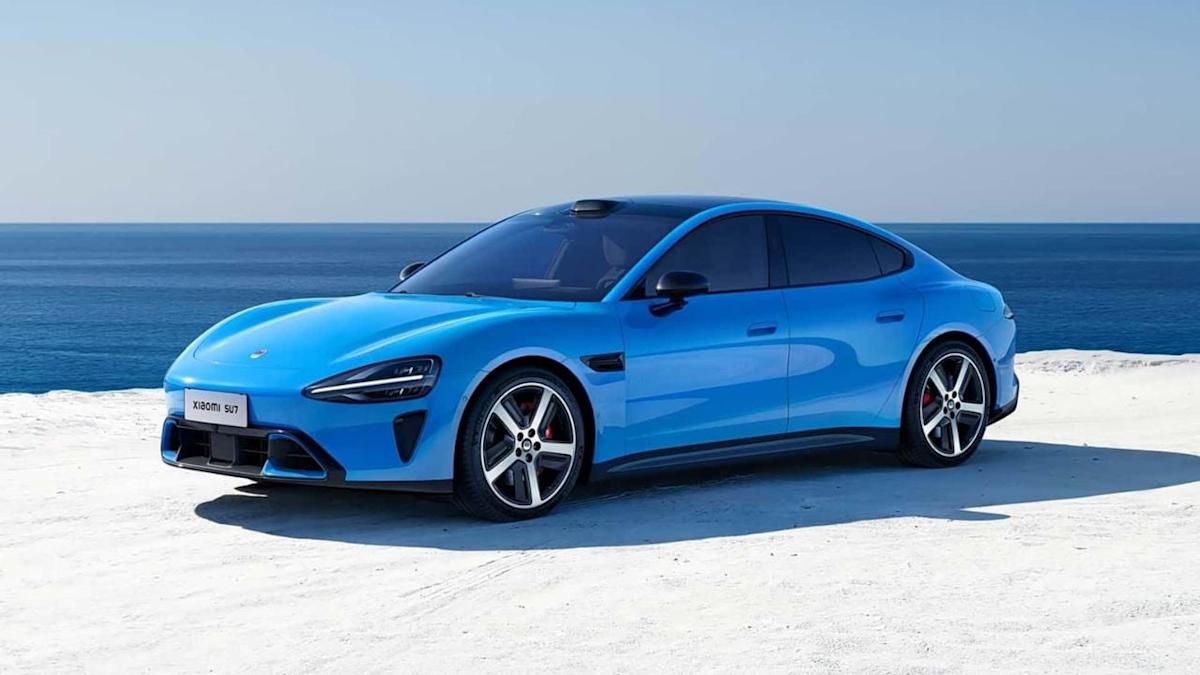
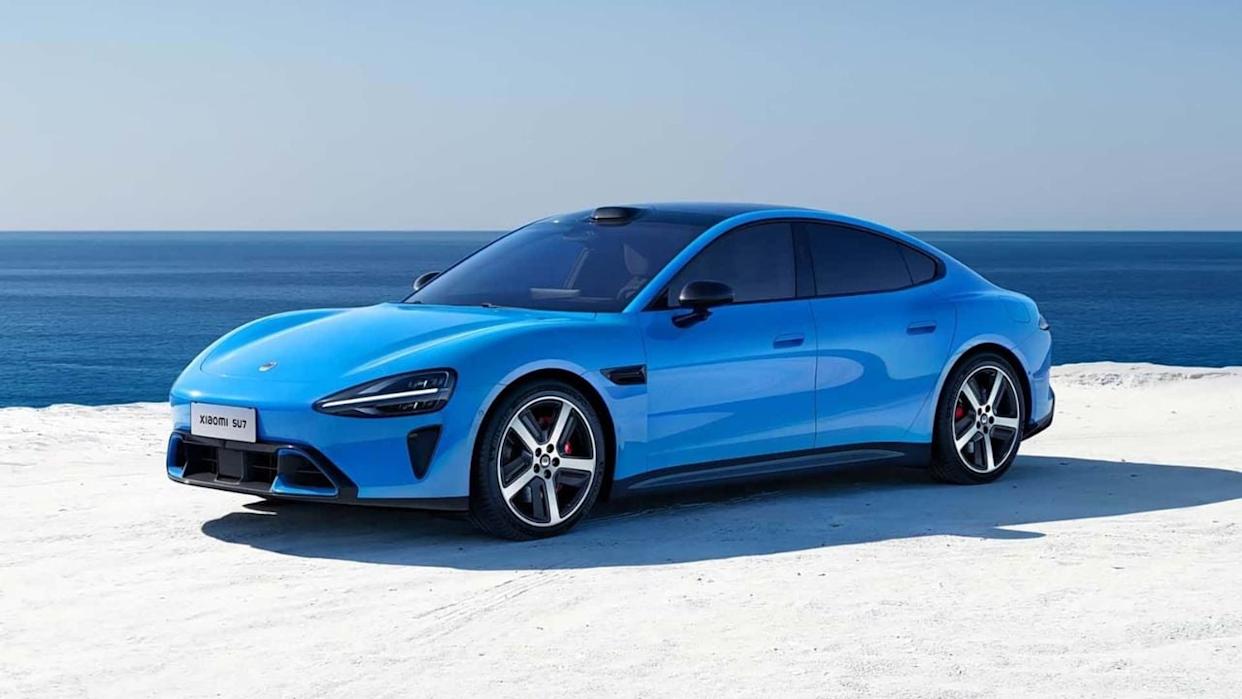
Those companies are joining a broader profitable core inside China’s new energy vehicle space, the segment that includes battery electric and plug-in hybrid vehicles. BYD remains the biggest example, even though its 2025 net profit fell 19% amid intense price competition. Xiaomi, meanwhile, reported that its EV, AI, and other new ventures segment generated its first annual operating profit in 2025 after the SU7’s strong launch. Li Auto also remains profitable on a full-year basis, underlining that China’s EV industry is no longer defined only by cash burn and expansion at any cost.
Western Automakers Are Still Paying For The Transition
The contrast with the West is hard to ignore. Tesla is still the main pure EV exception outside China, but even Tesla’s 2025 revenue fell about 3% and its net income dropped 61% as the company leaned harder into AI, robotics, and future autonomy bets. That is still profitability, but it is a much less comfortable position than the one Tesla held just a few years ago.
Legacy Western automakers have had an even rougher time. Ford projected as much as $5.5 billion in losses for its EV and software operations. GM booked a $6 billion charge tied to pulling back parts of its EV strategy. Stellantis reported a second half 2025 net loss of about $23.8 billion after a wave of EV-related writedowns. Reuters estimated this month that global automakers have booked more than $70 billion in hits over the past year as they scaled back earlier EV ambitions.
China’s Structural Advantages Are Now Showing Up On The Income Statement
Photo Courtesy: BYD.
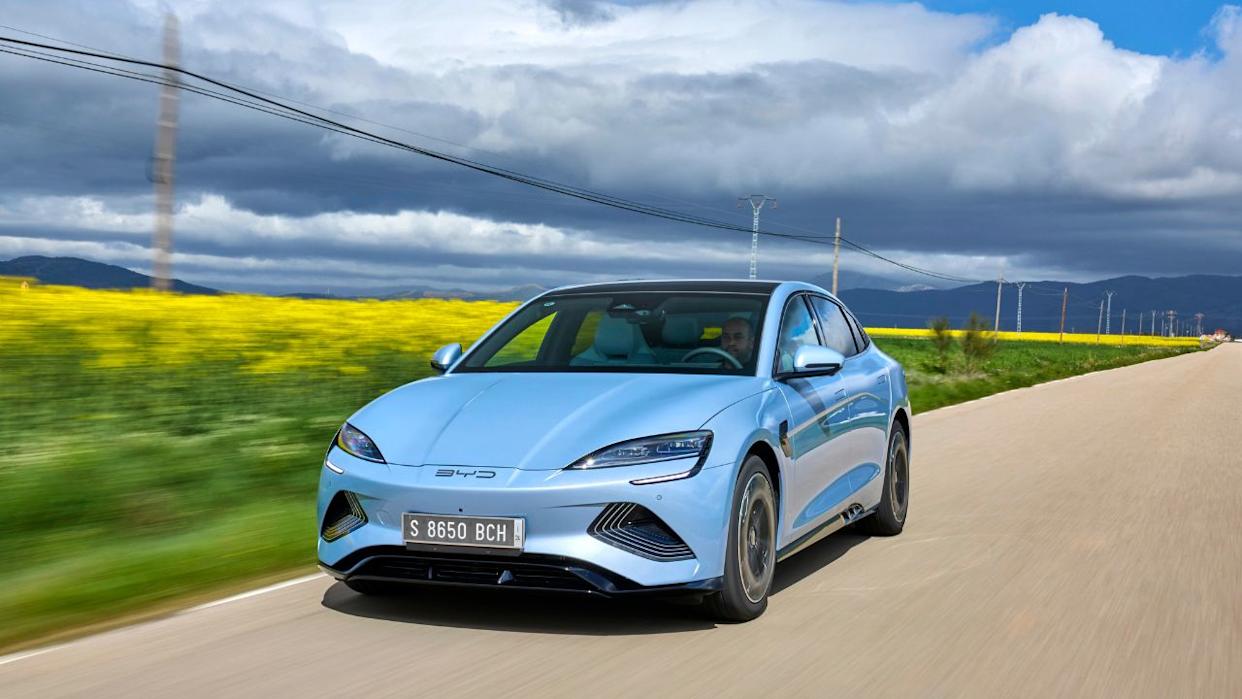
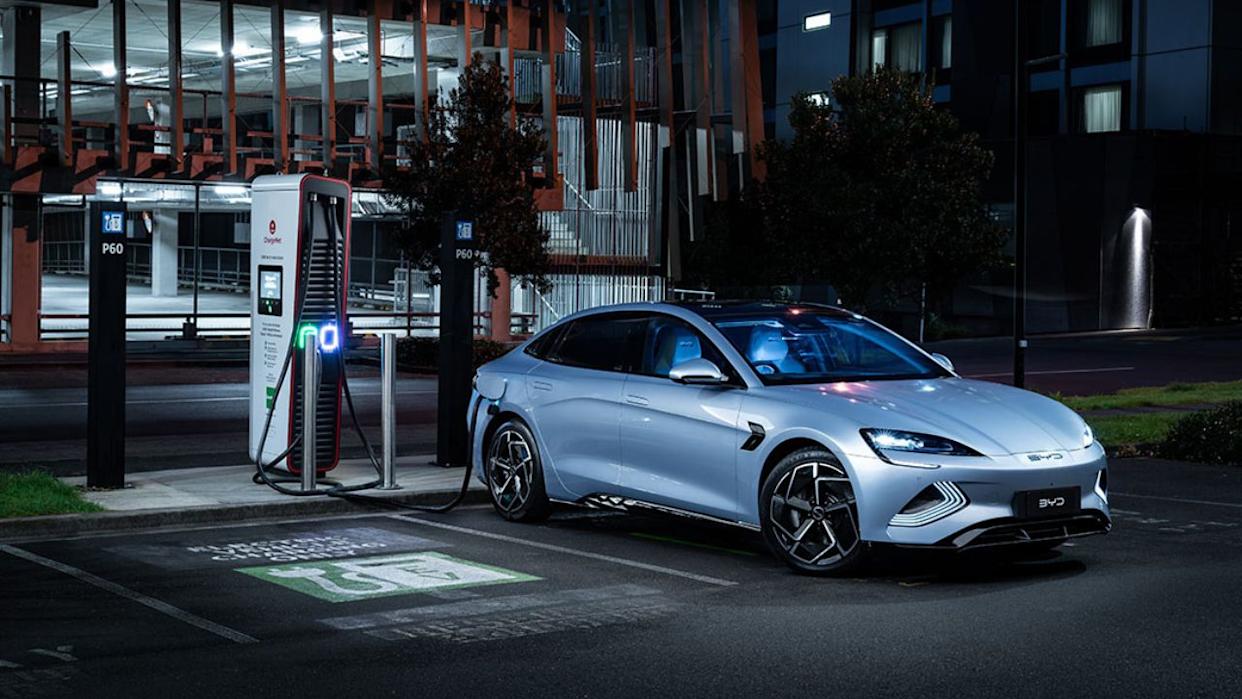
Chinese automakers did not get here by accident. Years of state support helped build the foundation. A CSIS estimate put cumulative Chinese government support for the EV industry at about $230.9 billion from 2009 through 2023. But subsidies are only part of the explanation. Chinese companies, especially the strongest ones, are also much more vertically integrated and much faster in development. Reuters reported that BYD’s Seal contains 75% in-house parts, a level of internal control that helps lower costs and speed up engineering changes. The IEA has also noted that more than 70% of electric vehicles produced outside China rely on batteries or battery components from China.
That combination of support, scale, and vertical integration is now being reinforced by sharper execution. Reuters found that Chinese automakers have cut vehicle development time to as little as 18 months for some new or redesigned models, far faster than the traditional industry cycle. That speed matters because it keeps products fresh, reduces capital tied up in long development programs, and lets companies respond faster to market shifts. It also helps explain why global brands are increasingly partnering with Chinese companies just to keep up.
Different Companies Are Winning In Different Ways
Photo Courtesy: Autorepublika.
The companies now turning profit each have their own version of that formula. Nio has expanded into multiple brands and is using that structure to cover more of the market while pushing overseas growth. Leapmotor is using its Stellantis partnership to accelerate expansion outside China. Xiaomi entered the car business from the tech world and is using its device ecosystem and software infrastructure to support automotive growth. None of those approaches are identical, but all of them show a similar pattern: tighter cost control, faster execution, and a willingness to rethink what a modern car company should look like.
That is why this moment matters. Chinese EV makers are no longer just proving they can build attractive, affordable, technology-rich vehicles. The strongest of them are starting to prove they can make money doing it. For U.S. and European automakers, that may be the most worrying development of all. Competing with heavily funded startups is one challenge. Competing with heavily funded startups that have also figured out profitability is a much harder one.
This article originally appeared on Autorepublika.com and has been republished with permission by Guessing Headlights. AI-assisted translation was used, followed by human editing and review.
Read More
Source link