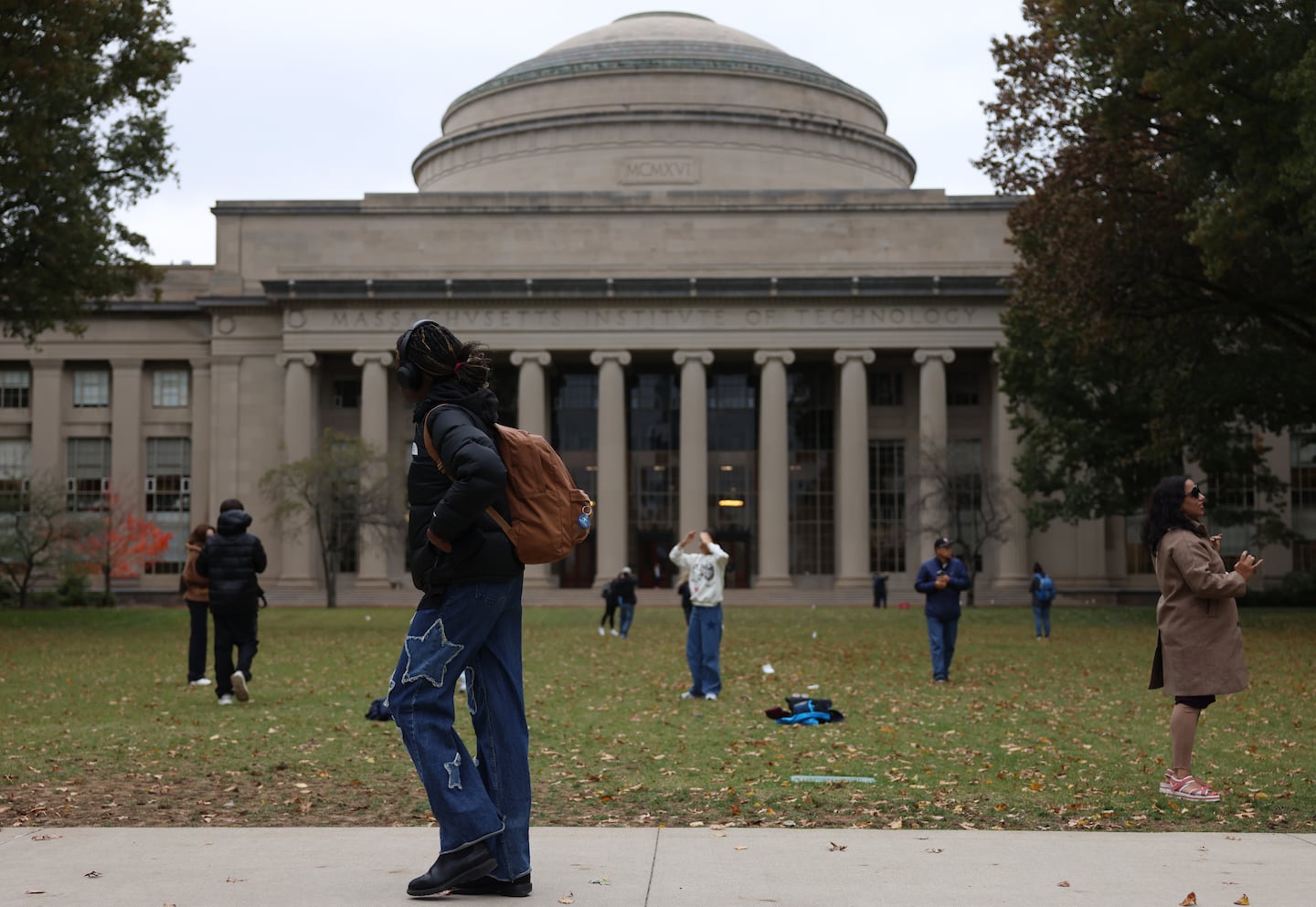
MIT has long had a reputation for fostering entrepreneurship: A 2015 report found that a quarter of alumni had founded their own companies, which together would have formed the world’s 10th-largest economy at the time. Since then, MIT faculty and graduates have continued to develop new companies in technology, pharmaceuticals, and other industries.
But professors and students want to see less red tape. A committee charged with studying the issue is expected to put out its final recommendations later this spring.
There’s a need for more clarity around the commercialization of research, said Noubar Afeyan, an MIT alumnus who co-founded Moderna Inc.
“Finding ways that intellectual property can find its way to practical applications without it seeming like some clandestine activity or something for nights and weekends, I think that’s going to be the way going forward,” said Afeyan, now the chief executive officer of investment firm Flagship Pioneering. Afeyan isn’t directly involved with the MIT initiative but sits on the university’s executive committee.
Over the long term, lending more support to entrepreneurs could boost MIT’s revenue, Chandrakasan said, although he’s focused for now on responding to the needs of faculty and students. MIT typically profits from faculty research through licensing fees and royalties as well as equity stakes in startups.
Boston’s startup ecosystem has been battered by the federal funding changes and slowdowns in sectors like biotechnology and clean energy. MIT president Sally Kornbluth and Chandrakasan recently met with a group of local venture capitalists to brainstorm ideas to help bolster entrepreneurs.
“I’m confident they’ll make some changes that will make it easier to start a company, make it easier to raise money, make it easier to stay here,” said HubSpot Inc. co-founder Brian Halligan, one of the attendees. Halligan attended MIT’s business school and has lectured at the university.
Some changes are coming ahead of the conclusion of the committee’s work. In February, the co-founders of Boston-based marketing platform Klaviyo Inc., Andrew Bialecki and MIT alum Ed Hallen, donated $6 million to an accelerator program for MIT student entrepreneurs, nearly quadrupling the equity-free funding they can receive through the program to $75,000.
For professors, other ideas under consideration include increasing permitted leaves of absence beyond the traditional two-year maximum and building in more flexibility for shorter-term leaves. The committee is also examining whether to raise funds to establish MIT “innovation hubs” in parts of the US outside its Massachusetts home or even abroad.
Officials are seeking to balance greater flexibility for faculty with the need for buy-in from academic leadership and assurance they’ll have the professors they need to fill courses.
For students, the task force is contemplating making it easier for undergraduates to re-enroll at MIT if they leave campus to launch a startup. About a quarter of MIT undergrads attended a recent career fair targeting those interested in startups, evidence of the university’s growing “dorm-to-startup” pipeline, administrators said.
“It used to be these alums would wait 10 years and work in a company” before launching a startup, Chandrakasan said. “That has dramatically shortened.”