- ■
Slate Auto launched in April 2025 with backing from Amazon founder Jeff Bezos
- ■
The stealth startup is developing electric vehicles with undisclosed specifications and target markets
- ■
Bezos’s investment marks his continued bet on transportation tech following earlier backing of Rivian
- ■
The timing comes as legacy EV startups face profitability pressures and consolidation looms
Jeff Bezos is placing his chips on electric vehicles again. The Amazon founder has emerged as a major backer of Slate Auto, a stealth EV startup that materialized in April 2025 with ambitious plans to challenge Tesla’s dominance. While details remain scarce, the Bezos endorsement signals serious capital and credibility for a company entering one of the most capital-intensive industries at a time when EV enthusiasm has cooled across Wall Street.
Slate Auto just pulled back the curtain on one of the automotive industry’s worst-kept secrets. The EV startup that quietly emerged last spring now confirms what insiders have been whispering about for months – Amazon founder Jeff Bezos is betting big on the company’s vision for electric transportation.
The revelation positions Slate Auto alongside Rivian in Bezos’s personal portfolio of automotive bets. But where Rivian focused on adventure vehicles and commercial vans, Slate appears to be charting a different course entirely. According to TechCrunch, the startup’s origins, product roadmap, and investor lineup represent a calculated gamble on where the EV market heads next.
The timing is everything. Slate Auto’s April 2025 debut came as the first wave of EV startups hit their moment of truth. Lucid was burning through cash reserves. Fisker was spiraling toward bankruptcy. Even Tesla saw its growth rate decelerate as the early adopter market saturated. That’s when Slate decided to step into the ring.
Bezos isn’t the only name on the cap table, though his involvement carries the most weight. The billionaire’s track record with transportation bets runs deep – from his early Rivian stake that helped the truck maker secure an exclusive Amazon delivery van contract, to investments in autonomous vehicle technology through Aurora Innovation. His interest in Slate suggests he sees something the market’s missing.
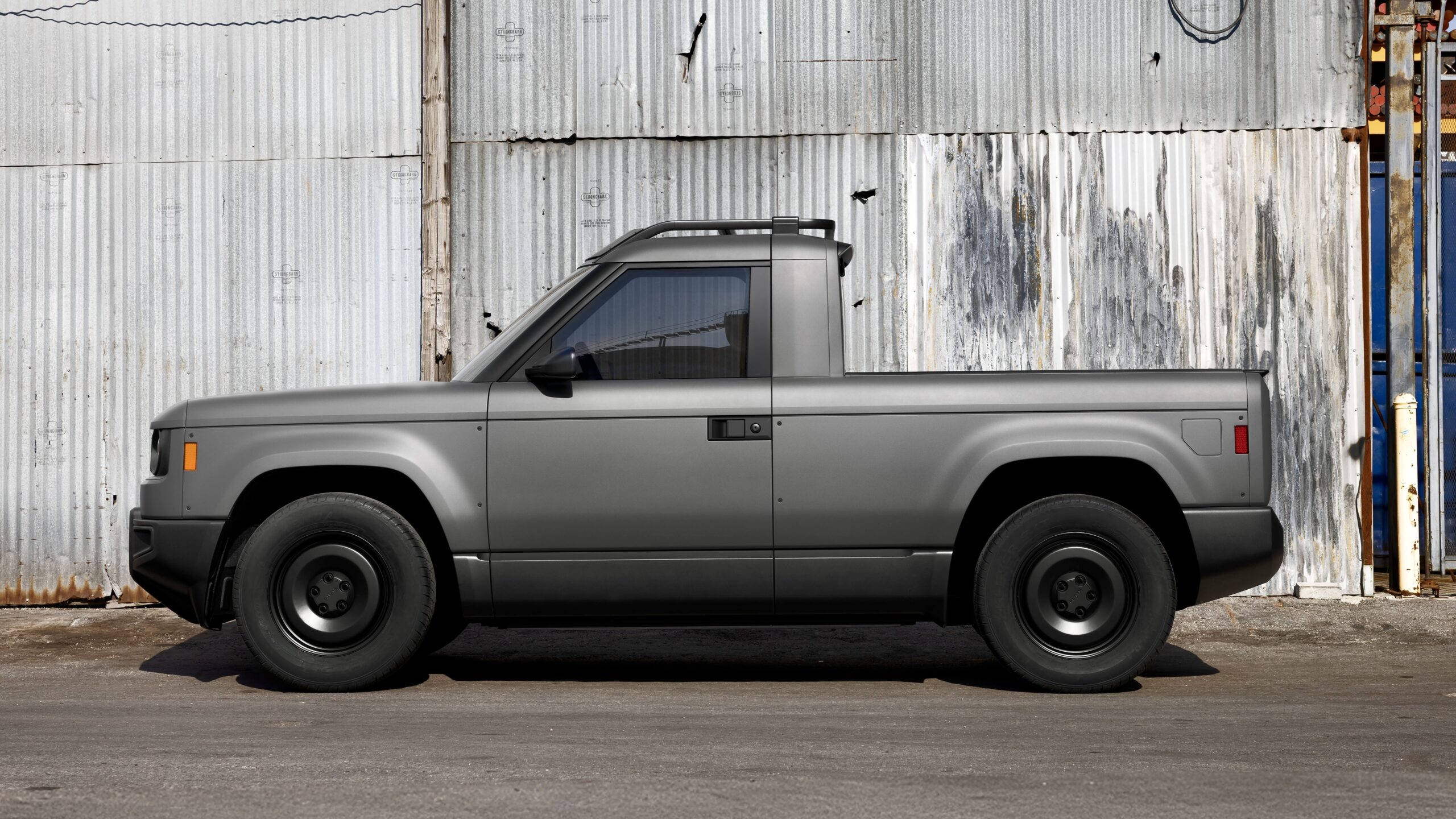
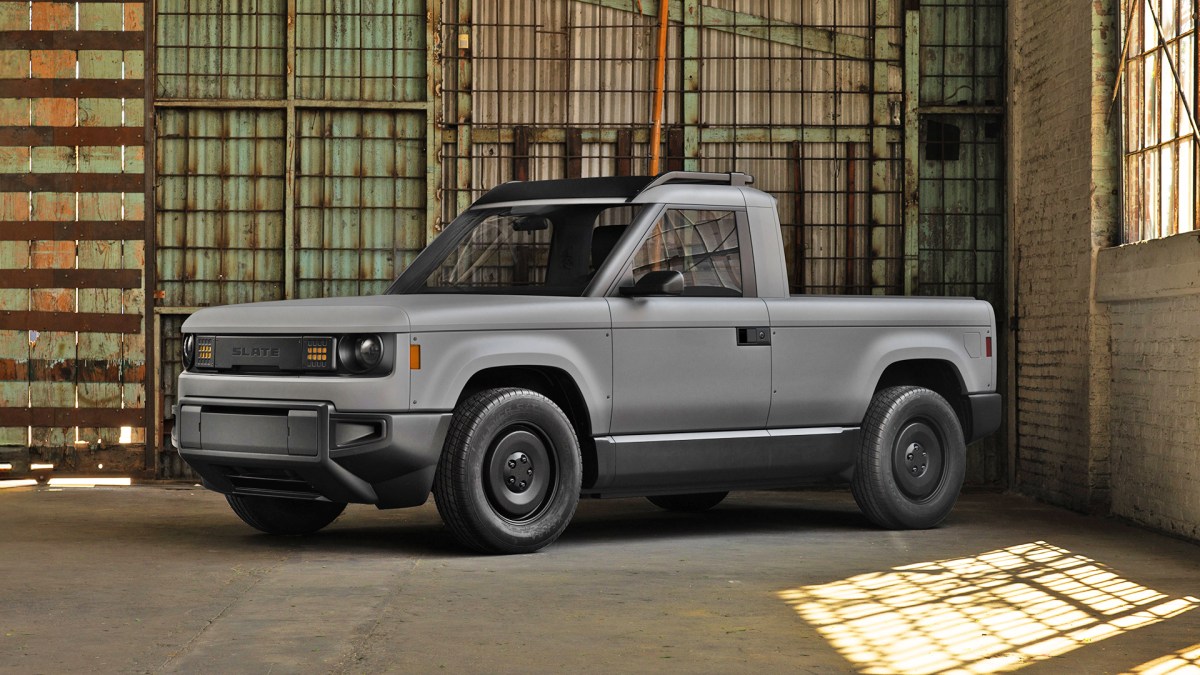
What exactly Slate is building remains partially obscured. The company hasn’t unveiled production vehicles or announced manufacturing partnerships. No EPA range estimates, no battery specifications, no pricing tiers. This level of stealth is unusual even by startup standards, where founders typically seek publicity to attract talent and customers.
But the silence might be strategic. The EV landscape is littered with startups that overpromised and underdelivered. Lordstown Motors collapsed after production delays. Nikola faced fraud charges. Arrival burned billions before shuttering operations. Slate appears to be taking the opposite approach – building in private, talking only when there’s substance behind the claims.
Industry analysts see Bezos’s involvement as a double-edged sword. On one hand, his capital and connections could fast-track Slate past the hurdles that killed competitors. Amazon’s logistics network, AWS computing power, and procurement muscle could all become strategic advantages. On the other, high-profile backers create high-profile expectations. Fail to deliver, and the scrutiny intensifies.
The broader EV market Slate is entering looks nothing like the euphoric landscape of 2021. Public market valuations have crashed. SPAC mergers that once seemed like easy money now trade at fractions of their debut prices. Consumer demand is growing but slower than projected, concentrated in specific price segments and geographies. Legacy automakers like Ford and General Motors are scaling back EV investments after billions in losses.
Yet Bezos clearly believes there’s an opening. His pattern suggests he bets on capital-intensive industries where others see only risk – cloud computing when servers seemed boring, space exploration when rockets kept exploding, grocery delivery when logistics looked impossibly complex. If that playbook holds, Slate isn’t trying to out-Tesla Tesla. It’s attempting something orthogonal to the current EV paradigm.
The startup’s roadmap remains the biggest question mark. Is Slate targeting the premium segment where margins exist but competition is fierce? The mass market where scale matters more than branding? Commercial fleets where Rivian already has an Amazon exclusive? Or something entirely different – autonomous robotaxis, modular platforms, battery-as-a-service models?
What we know is limited to what Slate hasn’t denied. The company is based in the United States. It’s focused on electric propulsion. It has secured funding from one of the world’s wealthiest individuals. Everything else is inference and educated guesswork from an industry desperate for the next breakthrough.
The calendar matters too. Slate’s 2025 emergence gives it roughly two years before major product reveals typically happen. That timeline would put first deliveries in the 2027-2028 window, assuming everything goes perfectly. In automotive terms, that’s lightning fast. In startup terms, it’s an eternity to burn capital before revenue arrives.
Slate Auto represents either visionary contrarianism or spectacular hubris, and with Bezos involved, probably both. The startup is launching precisely when conventional wisdom says EV startups are doomed, backed by someone who’s made billions ignoring conventional wisdom. Whether Slate becomes the next Tesla or the next cautionary tale won’t be clear for years. But in an industry desperately seeking its second act, Bezos just bought himself a front-row seat – and possibly a starring role in whatever comes next for electric transportation.