

Labor’s Startup Year program, designed to help university students launch startups through HECS-style loans, has been scrapped after attracting only eight participants nationwide.
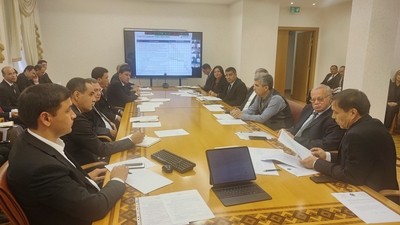
In the Senate Estimates on Friday, Department of Education officials revealed a handful of students accessed the program. According to Innovation Aus, $80,000 in funding was released before it was discontinued in last month’s federal budget.
Related Article Block Placeholder Article ID: 336915
The Startup Year scheme was first proposed by Labor ahead of the 2016 federal election and later revived as part of Anthony Albanese’s 2021 budget reply speech.
After Labor formed government in 2022, it allocated $15.4 million over four years to establish the program.
The intention was to provide access to 2,000 HELP-style loans annually for students and recent graduates participating in accredited startup accelerator programs delivered through universities.
Under the planned rollout, participants would have been able to access up to two loans worth up to $11,800 each.
The initiative reportedly required years of consultation, legislative changes and program design before a pilot launched in 2024. A broader rollout was originally planned for 2025.
The pilot involved 11 participating universities and was overseen by a 14-member working group.
Following a review of the pilot, the government decided to discontinue the program in the 2026 federal budget.
When the policy was first announced, the government argued it would help create a new generation of founders by giving more students access to mentoring, business networks, and entrepreneurship training.
Related Article Block Placeholder Article ID: 338485
Universities broadly welcomed the initiative, but some raised concerns during consultations that requiring participants to take on additional HELP debt could discourage some students from participating.
Speaking to SmartCompany in 2022, Australian Technology Network executive director Luke Sheehy said the sector supported the proposal but warned debt remained a significant issue for many students.
“Debt is still a live issue for students who are already making a significant contribution to the cost of their university education,” Sheehy said at the time.
The pilot also launched into a sector where many institutions already offer startup accelerators, incubators and entrepreneurship programs, often at little or no cost to students.
During Estimates, officials were unable to say how much had been spent administering the program or how many departmental staff had worked on it, with those questions being taken on notice.
Source link