For India’s electric mobility ecosystem, the next growth battle may not be about building more vehicles—it may be about building better energy networks.
That is the thesis driving Exponent Energy, the Bengaluru-based EV energy startup that has raised ₹200 crore in fresh capital and is now preparing to move from a deep-tech company into what it describes as a full-stack energy business.
Founded in 2020 by Arun Vinayak, former co-founder and chief product officer at Ather Energy, Exponent spent its first five years focused largely on research, product development and validating rapid-charging technology in real-world conditions. The company says that phase is now complete.
The next chapter, according to Vinayak, is scale.
“We’re shifting from being an energy-tech company to being an energy company,” Vinayak told Fortune India in an interview. “That means not just having the technology but building a large and reliable network that fleet operators can depend on.”
Exponent’s business has been built around solving one of the most persistent barriers to EV adoption: energy anxiety.
While consumer conversations around EVs have evolved from concerns over performance to acceptance of electric vehicles as a mainstream mobility category, Vinayak argues that charging speed, battery life and operating economics continue to determine large-scale adoption.
“The large electrification wave will happen not by building better vehicles alone, but by making energy better,” he says.
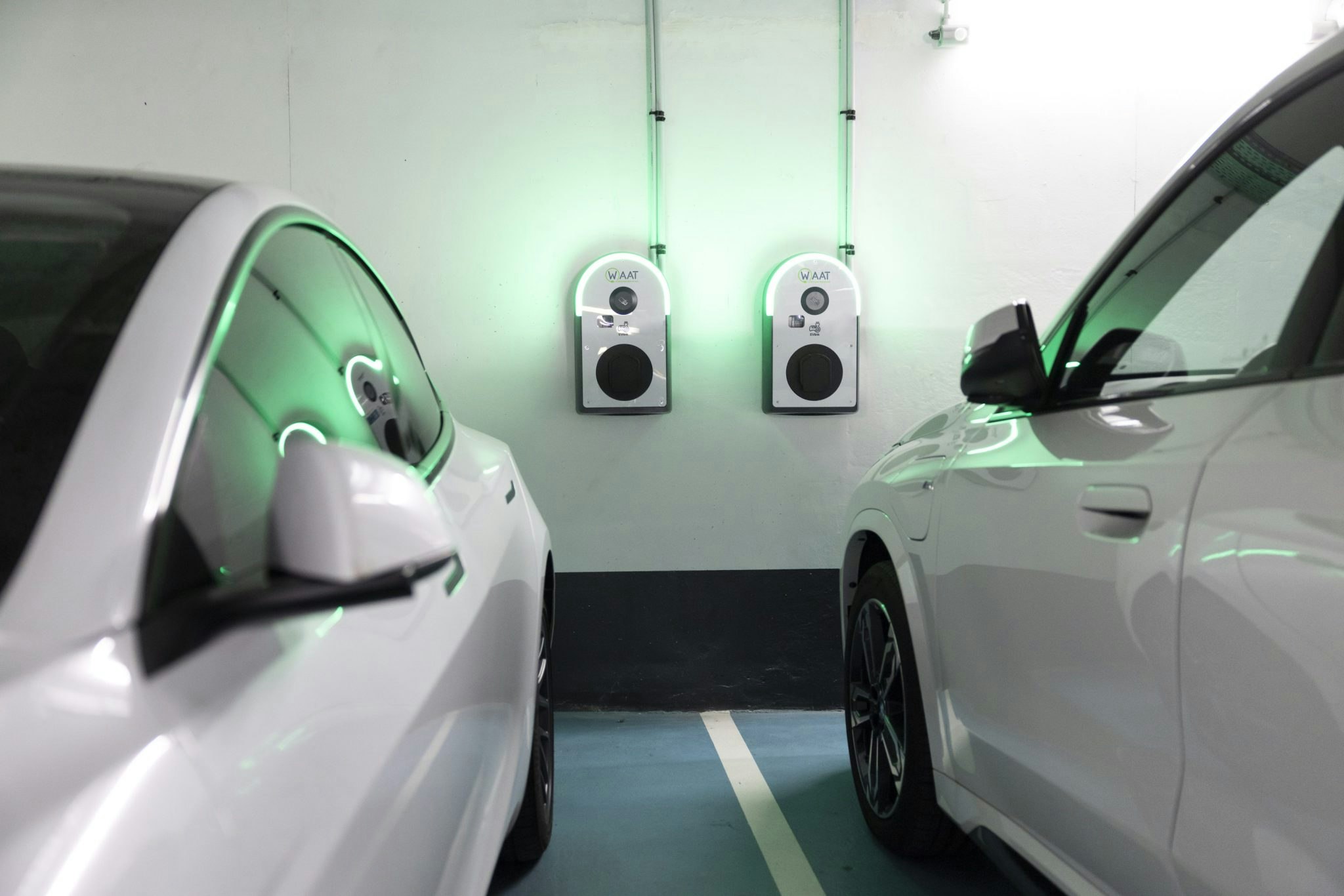
Exponent’s proposition is centred on rapid charging. The company claims its charging platform can power commercial vehicles in 15 minutes and says its latest 1.6 MW charging system can fast-charge electric buses in the same time frame.
But Vinayak insists charging speed is only the visible layer of a much broader play.
The company’s operating model combines charging infrastructure, battery technology and supporting systems into what it describes as an integrated energy ecosystem aimed at commercial operators.
That distinction becomes important as India’s EV market enters a new phase.
While much of the public attention remains on passenger vehicles and two-wheelers, Exponent is concentrating almost entirely on commercial mobility.
Vinayak argues that commercial vehicles represent the most meaningful opportunity from both an economic and energy-security perspective.
Commercial vehicles account for a relatively small share of vehicles on roads but consume a disproportionate amount of fuel. Electrifying that segment, he says, has a much larger impact than private vehicle adoption.
“There’s a larger narrative on two-wheelers and passenger cars, but that’s not what moves the needle for energy security or sustainability. It’s all about commercial vehicles,” he says.
The company believes fleet operators are already convinced by the economics of electrification. The remaining challenge is creating infrastructure that reduces downtime and ensures reliability.
Exponent says it has already completed nearly 2 million charging sessions across thousands of vehicles, generating operational data that has helped move the technology beyond pilot projects.
That operational maturity appears to have supported investor confidence.
The latest round included participation from existing investor TDK Ventures while bringing in new investors including 361 Capital and Hitachi Ventures.
Commenting on the investment, TDK Ventures said Exponent’s technology-led approach to solving charging and energy infrastructure challenges could accelerate commercial EV adoption at scale.
Hitachi Ventures said the investment reflects conviction in India’s commercial electrification opportunity and Exponent’s ability to build enabling energy infrastructure for the transition.
Investors see Exponent not merely as a charging company but as a broader energy platform addressing how electricity is stored, delivered and utilised across commercial mobility.
Vinayak says investor interest reflects confidence not only in EV growth but also in the emergence of a new category of energy businesses.
“In the petroleum world, energy companies extract and distribute fuel. In electric mobility, electricity already exists everywhere. The challenge is how you move it, transact it and store it efficiently,” he says.
Capital deployment priorities are also changing.
Historically, the company says nearly 90% of the capital raised went into R&D and deep-tech innovation. Going forward, investment will increasingly support business expansion.
Exponent plans to expand from two cities to more than six cities this year, widen deployment beyond electric three-wheelers and enter the electric bus segment.
It has also launched solutions aimed at converting existing CNG and LPG commercial vehicles into electric vehicles, opening up a significantly larger addressable market than new vehicle sales alone.
The opportunity, according to Exponent, lies not just in enabling EV adoption but in becoming the energy layer that powers it.
For Exponent, the next stage is less about proving the technology—and more about proving that a new kind of energy company can emerge from India’s EV transition.