

Tesla is opening the doors of its Gigafactory Berlin-Brandenburg to outside startups through a new “Cell Giga Challenge,” inviting them to pilot technologies inside its live battery cell production line.
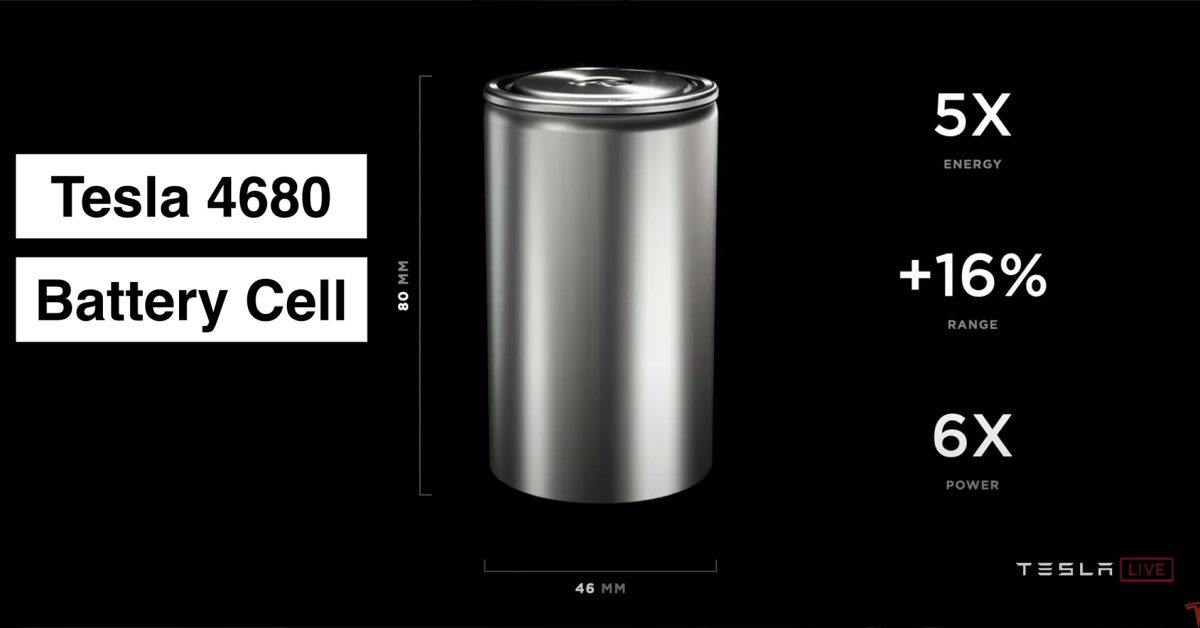
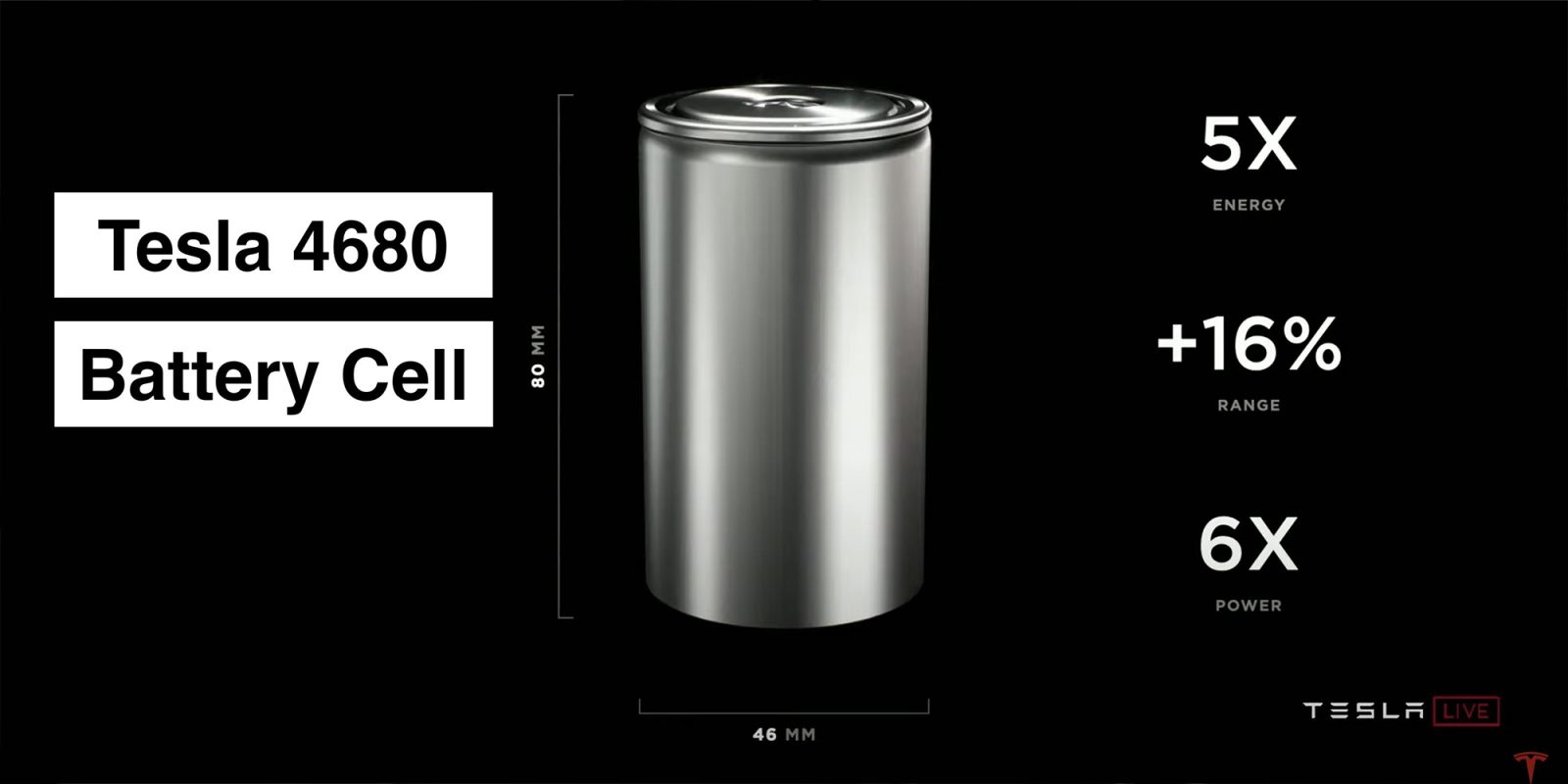
The program comes as Tesla ramps 4680 cell output at Grünheide toward a planned 18 GWh of annual capacity, one of the largest cell operations in Europe.
What the Cell Giga Challenge is
The challenge is run in partnership with JUNI, a Berlin-Brandenburg startup platform operated by UNITE gGmbH and backed by Germany’s federal economics ministry and the EXIST program.
According to JUNI, the program is aimed at startups “that make battery cell manufacturing faster, better, and more scalable.” Tesla is specifically looking for solutions across five areas: materials, equipment, operations, automation, and artificial intelligence.
Applications are open now through Submittable, with a deadline of July 24, 2026, and the program officially starting in August 2026.
The structure runs in five phases: an online application, a screening against real manufacturing requirements, a first technical interview, a pitch day in front of Tesla stakeholders, and finally pilot discussions. The strongest teams can move into a paid pilot project with Tesla’s cell team in Grünheide.
Tesla says applicants should show that their technology “measurably improves quality, speed, cost, safety, or scalability” and that they should see Tesla “as a customer and cooperation partner.”
Why Tesla is doing this now
The challenge is directly tied to Tesla’s cell ramp at Giga Berlin. As we reported in May, Tesla committed an additional $250 million to more than double its cell target at the site from 8 GWh to 18 GWh, pushing cumulative investment in the cell unit toward €1 billion.
Tesla expects to need more than 1,500 employees for cell production alone, with output scaling through the first half of 2027. At 18 GWh, Grünheide would produce enough cells for roughly 250,000 to 350,000 vehicles per year, and Tesla plans to build both cells and complete vehicles under one roof at the site.
JUNI frames the effort around “$350 million in investments announced over the last six months.” That figure is higher than the $250 million Tesla itself confirmed in May, and likely bundles earlier commitments to the site. Tesla has not broken out a single $350 million announcement.
The 4680 program has been Tesla’s most troubled manufacturing effort. The company has repeatedly struggled to hit cost and yield targets, and it has leaned on suppliers like LG Energy Solution and Panasonic even as it pushes its own in-house cells. Opening the line to outside startups is a tacit acknowledgment that Tesla needs help solving hard production problems at scale.
Electrek’s Take
There are two ways to read this. The optimistic version is that Tesla is running a smart, open-innovation play: it has a live, capital-intensive cell line in Europe and it’s crowdsourcing incremental improvements in yield, automation, and materials from a startup ecosystem it might otherwise never see. A paid pilot inside a real gigafactory is a genuinely valuable prize for an early-stage hardware company, and Tesla gets a low-risk look at technology it can later license or acquire.
The more skeptical read is that the 4680 has been Tesla’s hardest manufacturing problem for years, and turning to an external startup challenge to make the line “faster, better, and more scalable” is a signal that the in-house effort still has real gaps. Tesla doubled its capacity target for Grünheide before it has fully proven out cost-competitive 4680 production, and now it’s asking outsiders to help close the loop.
Either way, it’s a notable move. Legacy automakers rarely open their production lines to pre-seed startups, and doing it in Germany, inside a plant that has faced local political and permitting friction, is a bet on Berlin as a manufacturing innovation hub. The real test will be whether any of these pilots actually make it into the production line by 2027, or whether the challenge is mostly a talent and PR funnel. Applications close July 24, so we’ll know soon how seriously the startup world takes it.
If you’re following Tesla’s battery push, one of the smartest ways to cut your own energy costs is powering your home and EV with solar. With electricity rates climbing nearly 10% last year, home solar protects you against future rate increases. And with lease and PPA options, you can go solar with zero upfront cost and start saving immediately. If you want to find the best deal, check out EnergySage. It’s a free service with hundreds of pre-vetted installers competing for your business, so you save 20 to 30% compared to going it alone. No sales calls until you pick an installer. Get your free quotes here.
FTC: We use income earning auto affiliate links. More.
Source link