00:00 Sagan
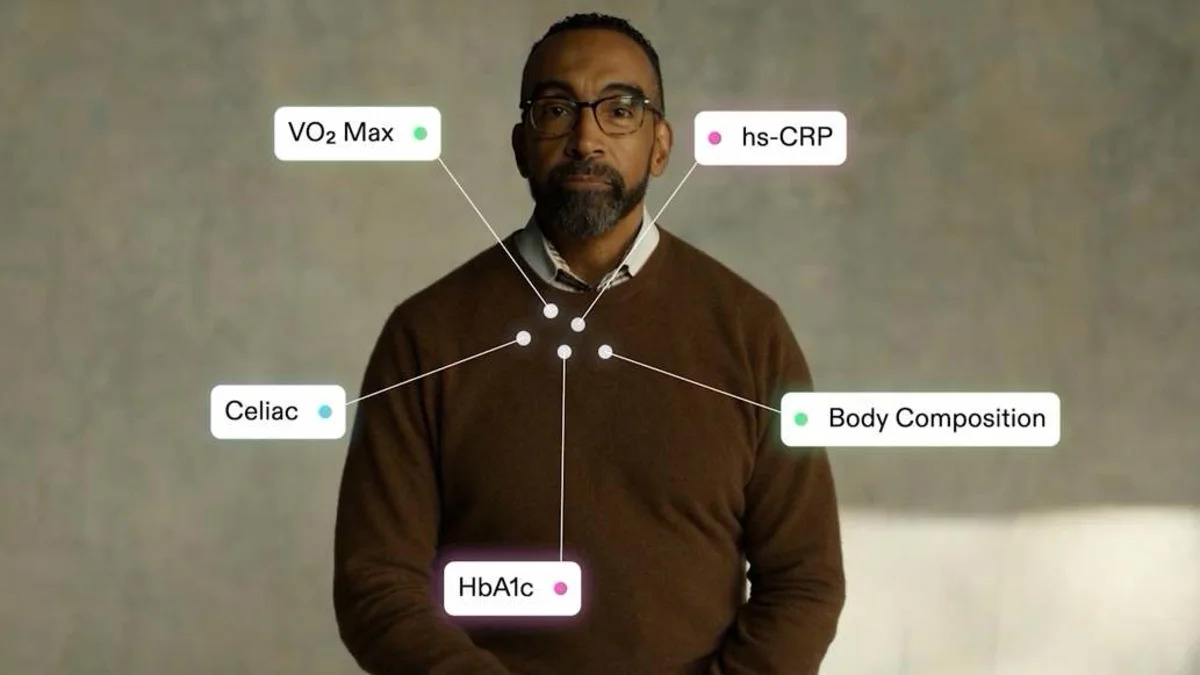
Sonata is a doctor-led healthcare membership that’s really focused on preventing disease before it starts. And so when you sign up as a member of Sonata, we come to you either at your home or your place of work and uh we do a comprehensive blood draw. And so because we, um, you know, run clinical grade testing including things like genetics, epigenetics, advanced panels for things like hormones or lipids, the results take about three to four weeks to come back. Um and once they’re in, we have a a team of board certified physicians that use clinical AI that we’ve we’ve built to connect the dots between all these different parts of your biology, which enables them to build a plan that’s uniquely yours. And so, from there, you have unlimited access, ongoing access to your care team and then we do targeted clinical followup uh when necessary.
01:05 Speaker B
And the founding membership saying I was I was reading cost $2500 per year. Now, does that also include um, you know, the medications, the specialists, the followup testing or is that is that additional?
01:29 Sagan
Yeah, so we are just like any other medical practice. We can prescribe medications when they’re clinically necessary. Um there also might be times when a supplement might work or there might be other uh other indicated uh clinical needs. So for example, you mentioned a referral, we can do referrals as well. Um and then again, you have unlimited access to your care team and so that means you can have an appointment, you know, every week if you wanted to or every quarter if that made more sense for you.
02:05 Speaker B
And who is your target customer, Sagan? Like, would you imagine it’s more relatively affluent folks who are very focused on longevity? Is it is it just is it people who are unhappy with kind of traditional primary care? Is it all the above?
02:24 Sagan
Yeah, it’s really people in their sort of late 20s, uh 30s and 40s who are starting to think differently about their health. You know, they’re starting families, their own knees might be starting to hurt after they go for a run. Um and they’re starting to watch their parents deal with things like chronic disease and they’re realizing that a lot of those risks can be caught earlier and addressed decades earlier in some cases. And so they’re people that are really not getting their needs met by the the current traditional healthcare system and, you know, we know that is a very reactive system that sort of waits for you to get sick. So they want this real ongoing relationship with their care team, um and, you know, a care team that’s helping them helping them stay ahead of these sort of things.