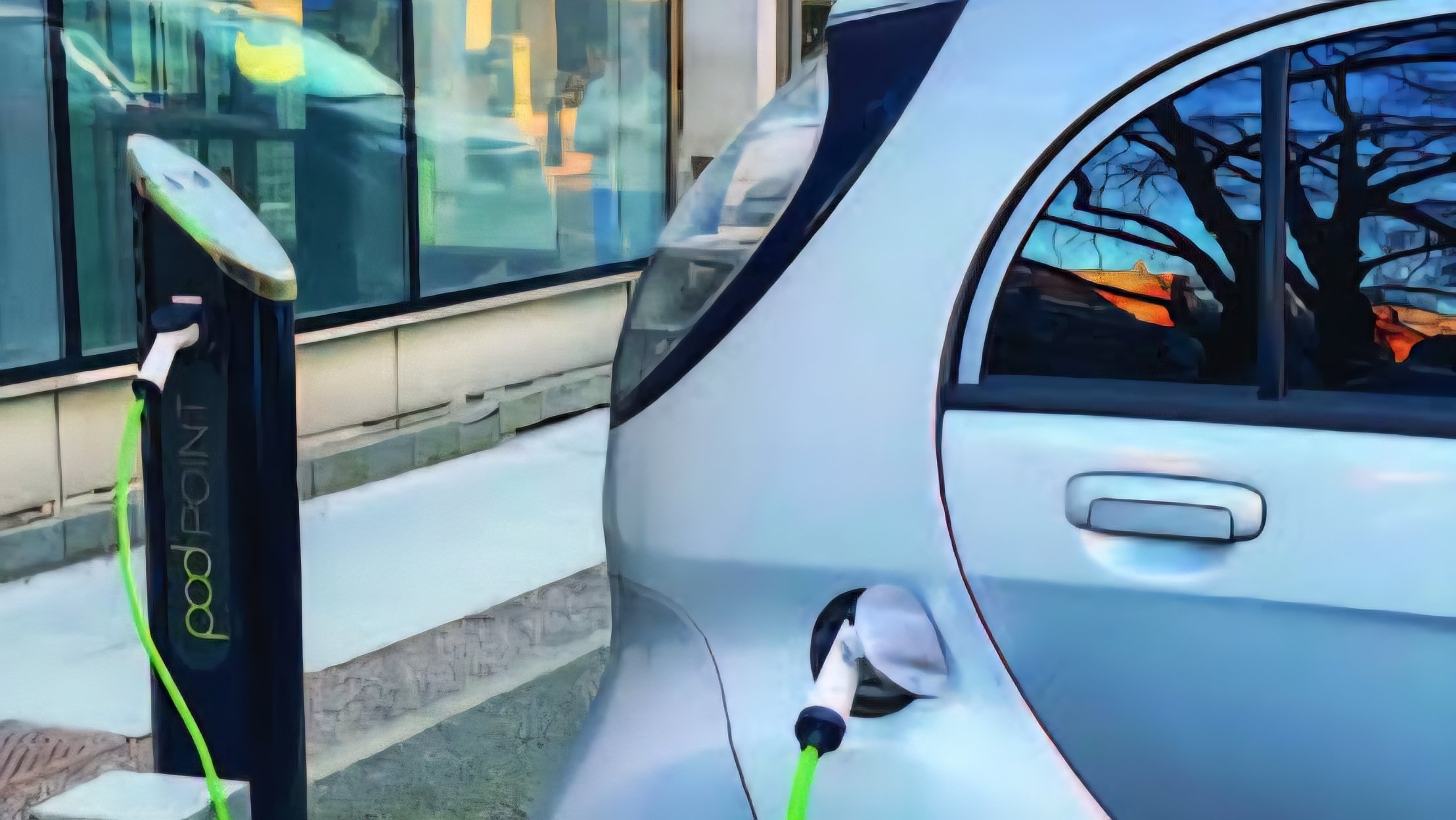
A compact electric vehicle connected to a charging station, as new market entrants expand charging and battery-swapping infrastructure across urban centers in Kenya
|
Business Daily
A new EV startup introduces battery swapping and local assembly to make electric taxis affordable for Kenyan drivers.
A new entrant, Bingo Technologies, has launched a four-seater electric hatchback in Kenya priced at Sh1.8 million. The compact vehicle specifically targets ride-hailing and online taxi drivers seeking to lower daily operating fuel costs.
Trading as Bingo EV Kenya, the firm plans to roll out the vehicle in September. The initial batch of 20 fully assembled units will arrive directly from China, before production transitions to domestic assembly facilities in Mombasa starting early next year.
Assembly will take place at Associated Vehicle Assemblers (AVA) in coastal Kenya. Localizing production allows the startup to minimize import tariffs, reduce final market prices, and take full advantage of government tax incentives for domestic vehicle assembly.
Company executives expect to sell at least 100 units before the end of the year. Lower running expenses make electric hatchbacks significantly more economical than traditional petrol-powered vehicles, providing commercial drivers with improved profit margins across busy city routes.
“We are focused on ride-hail and online taxi businesses because we want the drivers to make money,” said Christian Scheder-Bieschin, co-founder and Chief Operating Officer (COO) of Bingo Technologies, during the product unveiling in Nairobi.
To ease vehicle acquisition, the startup established an asset financing partnership with NCBA Bank Kenya. Discussions are also ongoing with alternative financial institutions, including Watu Credit, M-KOPA, and SBM Bank Kenya, to broaden financing choices for drivers seeking varied payment structures.
Drivers can purchase the vehicle outright, choose a lease-to-own arrangement, or rent it over shorter durations. Under the lease model, operators pay a deposit of Sh125,000 followed by daily installments of Sh1,800, which cover scheduled vehicle servicing and comprehensive insurance coverage.
The compact car utilizes battery swapping technology to limit charging downtime during shift hours. Swap stations will operate at parking lots of major retail outlets, including Naivas and Quickmart supermarkets, enabling drivers to exchange depleted battery units within minutes.
Kenya has experienced notable growth in commercial electric mobility over recent years. Data from the Electric Mobility Association of Kenya (EMAK) shows registered electric vehicles grew from 1,378 units in 2022 to over 39,000 units by 2025, driven largely by commercial fleets.
However, official reports show the country fell short of its goal to have electric models account for five percent of new registrations by 2025. Fleet operators continue to lead adoption because lower fuel expenses allow faster recovery of higher initial purchase costs.
The government unveiled the National Electric Mobility Policy (NEMP) earlier this year to support sector growth. The framework outlines incentives for charging infrastructure and local manufacturing, while President Ruto advocates for clean energy transport solutions across the country to reduce carbon emissions.
At Sh1.8 million, the hatchback enters a competitive local market. It undercuts rival models like Beijing Henrey Xiaohu hatchback, which retails between Sh2.5 million and Sh2.8 million, giving taxi operators a more accessible entry price.
It also provides a cheaper option than Dongfeng ePureCitie, priced between Sh4 million and Sh4.5 million depending on battery capacity. Lower capital requirements offer commercial operators a faster pathway toward breaking even on transport investments.