AI research startup Smallest.ai has raised $13 million in a Series A round to develop small, specialised voice models designed to make AI-powered phone calls pass the Turing test, on the premise that the next leap in voice AI will not come from making large language models faster but from building smaller systems that mimic how humans naturally converse.
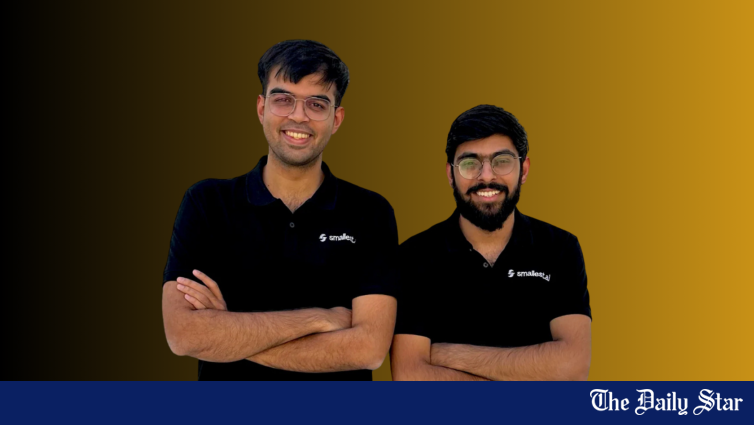
The round was led by Seligman Ventures with participation from Sierra Ventures and 3one4 Capital, bringing total funding to over $21 million. The company was founded by Akshat Mandloi and Sudarshan Kamath, who said that the key problem with existing voice agents is the gap between when a person finishes speaking and when the AI begins to respond. “While I’m speaking to you, you’re already thinking, and you might interrupt me if I talk for too long,” Kamath said, according to a TechCrunch report. “That’s exactly how our model is designed to work.”
The startup’s model serves as a real-time intelligence layer that processes and responds with near-zero lag, according to the TechCrunch report. When it encounters topics outside its limited knowledge base, it passes the query to a larger foundational model, briefly pausing as a human would when looking something up. Existing customers include RingCentral and Truecaller.
Smallest.ai competes with ElevenLabs, Cartesia, and regional players such as Sarvam, though it focuses strictly on real-time enterprise conversational voice rather than applications such as audio dubbing or podcasting, further states the report. “We want our models to break the Turing test,” Kamath said. “You should speak to our model and not know if it’s AI or human.”