Kenya, January 28 2026 – The Ethiopian government is placing vocational and technical training at the centre of its development strategy, aiming to equip young people with practical skills that support startup creation, workforce entry and broader economic transformation.
According to a statement from the Office of the Prime Minister (PMO), specialized education and skills development are essential for sustaining Ethiopia’s transition toward a modern, innovation driven economy.
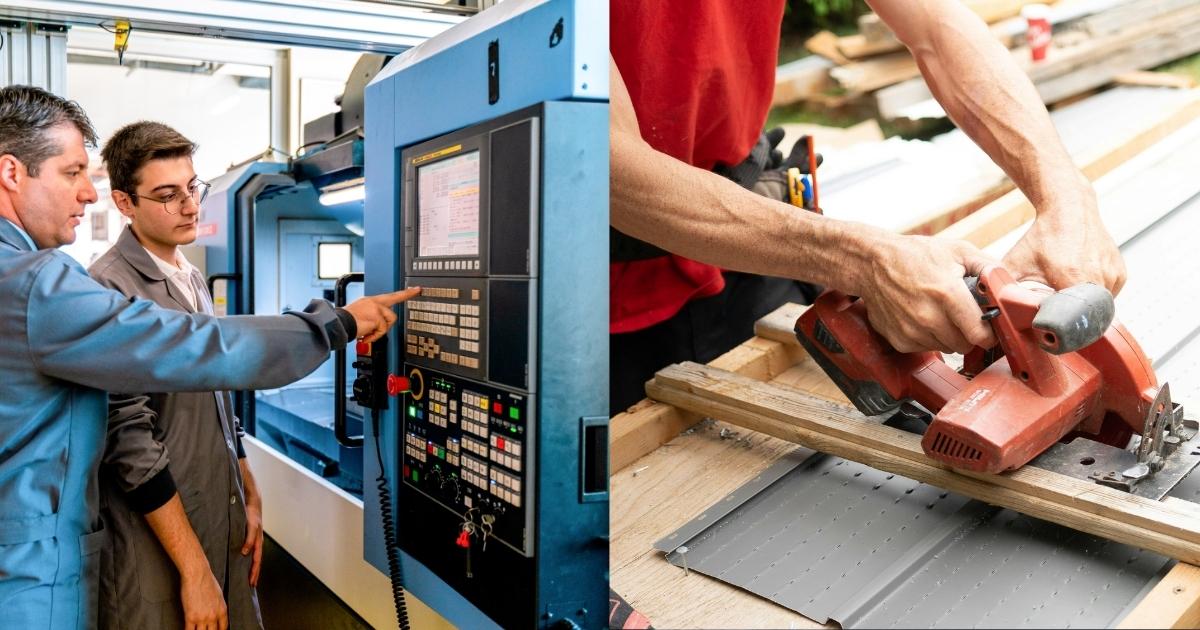
In a social media post shared by the PMO, the government said it has expanded technical and vocational training programmes that provide hands on experience in trades, technology and entrepreneurship. “The Government of Ethiopia is investing in technical and vocational training programs that equip young people with practical skills needed to launch startups, enter the workforce, and thrive in a modern economy,” the office said.
The PMO highlighted the “ripple effects” these investments are expected to produce across the economy, asserting that such training not only cultivates innovation but also creates employment opportunities. “By providing hands on experience in trades, technology, and entrepreneurship, these programs spark innovation, create employment opportunities, and drive economic growth,” the statement read.
Concluding its message on the broader importance of inclusive prosperity, the Office stressed that empowering youth with market relevant skills strengthens individual livelihoods and contributes to a dynamic, job generating economy that ensures development benefits reach all parts of the country. “Empowering youth with market relevant skills not only strengthens individual livelihoods but also contributes to a more dynamic, job generating economy, ensuring that the benefits of development reach all corners of the country,” ENA quoted the PMO as saying.
Ethiopia’s emphasis on vocational training aligns with broader national priorities to expand the formal economy, reduce youth unemployment, and harness the demographic dividend of a youthful population.
Technical and vocational education and training (TVET) is increasingly seen as a bridge between formal schooling and labour market demand, especially in sectors such as manufacturing, construction, ICT and agribusiness.
For a country of more than 120 million people with a median age in the late teens, generating meaningful employment and fostering entrepreneurship are central to social stability and economic resilience.