Six MENA startups are building Arabic-first tools across telemedicine, mental health, women’s health and clinical AI.
Healthcare technology in the Middle East and North Africa (MENA) has shifted from a niche focus to a vibrant and fast-growing ecosystem. As healthcare spending expands across the region, healthtech startups are increasingly pivotal in improving access, streamlining clinical workflows, and delivering care in ways that once seemed impossible. The broader healthcare market in MENA was projected to reach $243.6 billion in 2023, growing at a compound annual rate of nearly 12% since 2019, a reflection of both rising demand and structural shifts toward digitisation.
Within that landscape, digital health and telemedicine are among the fastest-growing segments, with markets in the UAE and Saudi Arabia alone expected to approach $4 billion in 2026. This growth is echoed in investment trends: according to regional reports, healthtech startups across the MENA region and the Arab world have collectively raised well over $460 million in funding, with the UAE accounting for roughly 75% of that total, and Egypt emerging as a notable hub for innovation driven by its large population and rising smartphone adoption. Healthtech continues to attract capital, with most funding rounds in the region occurring at Seed and early Series stages.
In this dynamic environment, a handful of startups are beginning to shape how Arabic-speaking patients and healthcare providers engage with care. Encompassing everything from platforms transforming everyday access to doctors to mental health services built for cultural context, these companies combine regional insight with smart technology to address real-world healthcare challenges. Below is a curated look at some of the most compelling healthtech ventures serving Arabic speakers today.
Altibbi (Jordan/UAE)
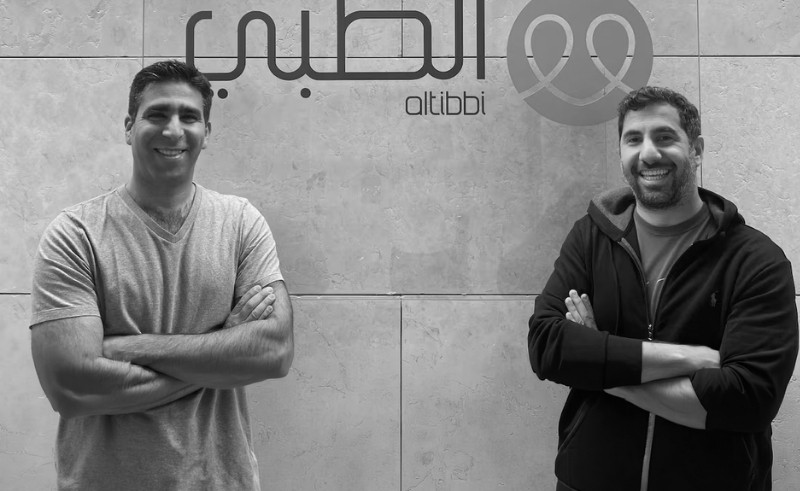
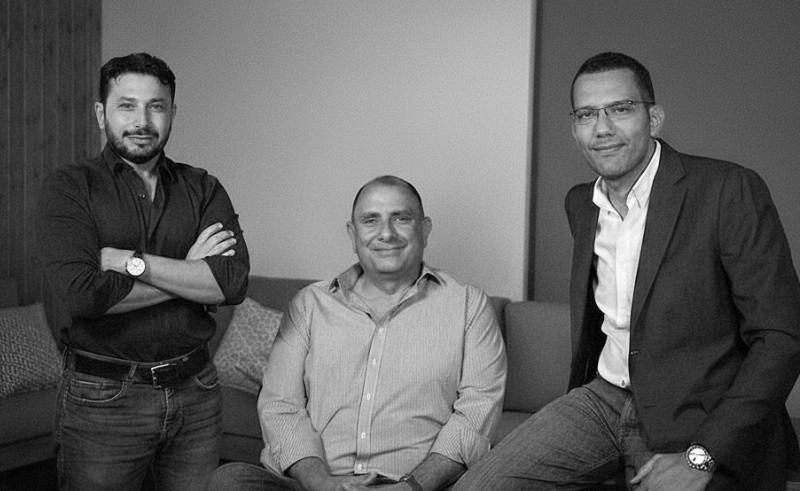
Founded in 2008 by Jalil Labadi and Dr. Abdel Aziz Labadi, Altibbi began as a response to a simple albeit critical barrier: the lack of reliable medical information in Arabic. Over the years it has evolved into one of the MENA region’s most visible digital health platforms, offering telehealth consultations, a rich Arabic medical content library, and remote care features.
The platform connects users with certified clinicians around the clock and has been scaled with significant investment, most recently a $44 million Series B round to fuel expansion in Saudi Arabia and Egypt. Altibbi’s focus on localised language and culturally relevant content has helped bridge gaps in access, particularly for patients in underserved areas who may not have easy access to in-person care.
Vezeeta (Egypt)
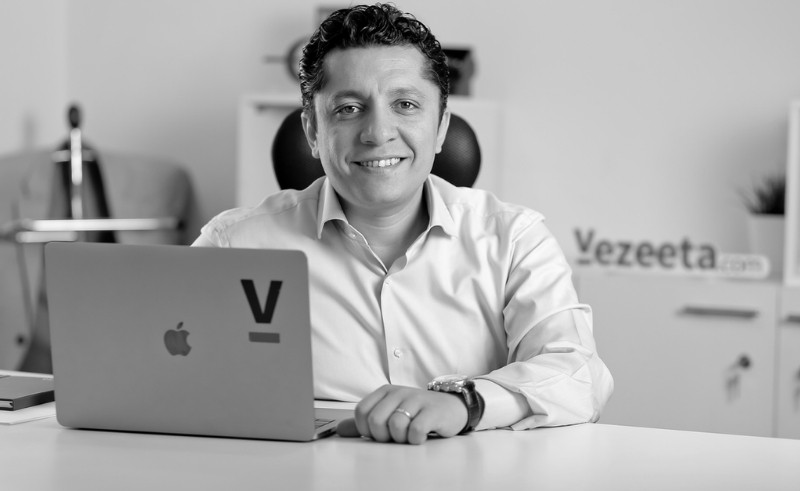
What started in Cairo as a simple doctor-booking platform has grown into a comprehensive digital health company. Vezeeta, founded by Amir Barsoum and Ahmed Badr, allows patients to search for healthcare providers, book appointments, and access telemedicine services across multiple MENA markets. Operating in Egypt, Saudi Arabia, Jordan, Lebanon, and beyond, Vezeeta has raised over $60 million in funding and continues to expand its offerings into e-pharmacy and provider software that helps clinics streamline operations.
O7 Therapy (Egypt/Saudi Arabia)
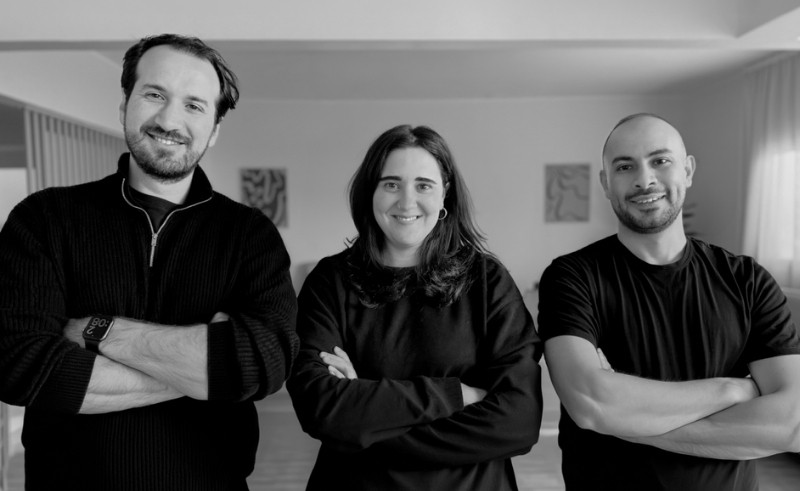
Mental healthcare has often lagged behind other medical services in many MENA countries, partly due to stigma and limited access. O7 Therapy, founded in 2019 by Ashraf Bacheet, Ashraf Adel, and Nader Iskander, seeks to change that by delivering bilingual therapy services via digital channels. Users can engage in voice or video sessions with licensed therapists, while organisations can integrate wellness support into employee programs. With a $2.1 million funding round led by Hikma Ventures in 2022 and strategic expansion into Saudi Arabia, O7 Therapy is helping open dialogue around mental health and offering culturally nuanced care options.
Daleela by Motherbeing (Egypt)
Motherbeing focuses on the underserved domain of women’s health in the Arab world, blending education, community, and technology. Under the leadership of Nour Emam and others, the company launched Daleela, an AI-powered health assistant app that supports women with sexual, reproductive, and mental health guidance in Arabic. With recent pre-seed funding supporting its development, Daleela is an example of how healthtech can target specific populations with tools that speak their language and respect cultural contexts, two of the most overlooked factors in generic health apps.
Nuxera AI (Saudi Arabia)
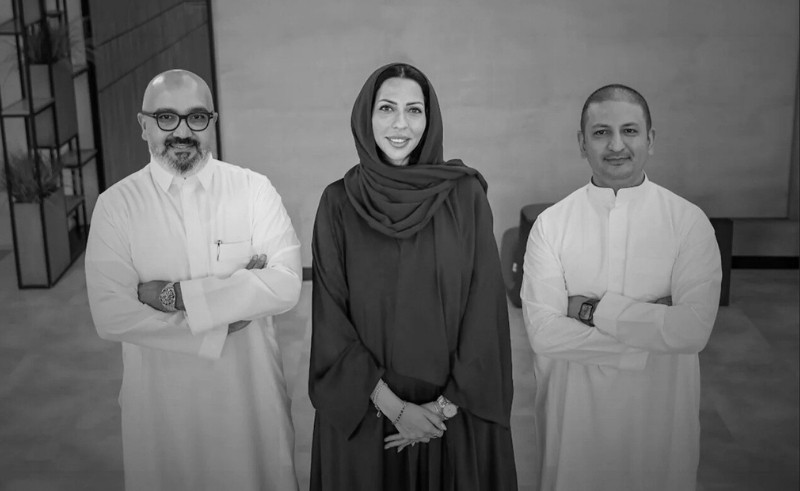
Founded by Amin El Hemaily, Asad Khan, and Nada Hassan, Nuxera AI is building clinical AI tools designed specifically for Arabic language contexts. Its platform can transcribe and interpret doctor–patient conversations across dialects and auto-generate structured clinical notes, addressing a core challenge in MENA health systems: the lack of AI solutions trained on Arabic medical language. Recognised with significant pre-seed backing, Nuxera is at the intersection of linguistics and clinical efficiency, enabling better data capture and decision support for providers across healthcare settings.
Clinicy (Saudi Arabia)
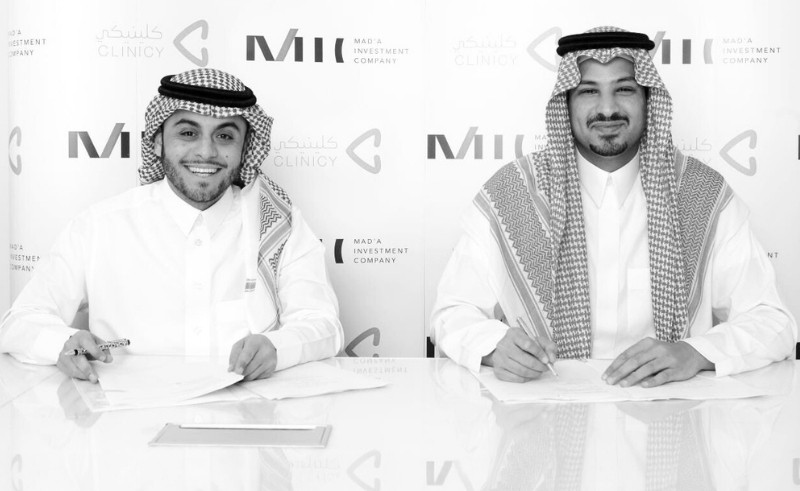
Clinicy addresses a fundamental bottleneck in healthcare operations: inefficient administrative systems. Co-founded in 2017 and headquartered in Saudi Arabia, Clinicy provides a cloud-based platform for private clinics that includes appointment scheduling, patient reminders, and digital records management. The company has also successfully secured funding to scale within the Kingdom.
Source link