In recent years, telehealth has become a vital means of expanding healthcare access throughout Africa.
The continent’s healthcare landscape is undergoing a profound transformation, driven by digital innovation, strategic investments and a growing ecosystem of healthtech startups.
As Africa faces persistent healthcare challenges, ranging from infectious diseases to limited access in rural areas, technology is emerging as a powerful equalizer.
Leading this innovative shift is DRO Health, a Nigerian telemedicine platform that digitally connects patients with experienced doctors and specialists for consultations.
“When our CEO and co-founder, Ifeanyi Iwuchukwu faced a tragedy that could have easily been avoided, had the patient had access to a good doctor remotely, that showed us that access to healthcare is one thing, but access to quality healthcare is another, which is crucial,” DRO Health’s Co-Founder and Chief Operating Officer Norris Clay-Onah Campbell explained in an interview with Connecting Africa.
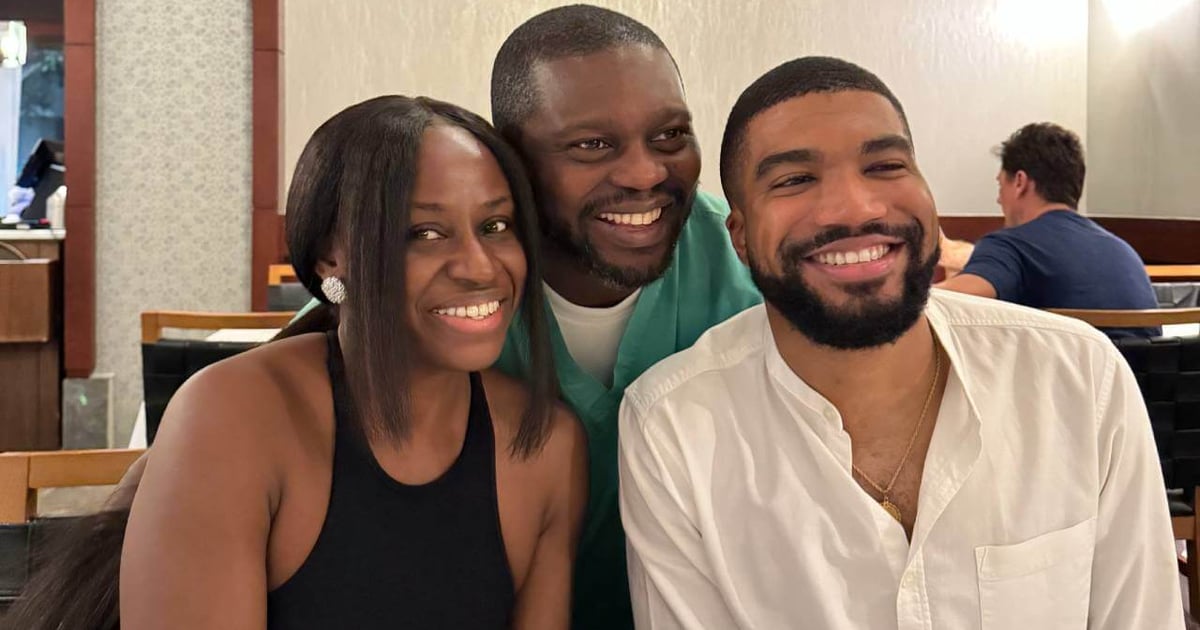
A neurologist with over two decades of clinical experience, Ifeanyi Iwuchukwu, along with technology and product expert Emeka Iwuchukwu and marketing and operations expert Campbell, was motivated by the challenges many Nigerians face in accessing timely and affordable medical care, thus launching DRO Health.
Together, they envisioned a platform that leverages technology to deliver healthcare directly to patients, regardless of their location.
The founders recognized that many Nigerians face long waits, high costs and limited access to specialists.
DRO Health was created to tackle these challenges by offering a digital platform where patients can swiftly consult doctors, access medical records and manage prescriptions – all from their smartphones or computers.
“DRO Health is filling the gap in quality, accessible and affordable, tech-enabled healthcare in Nigeria by providing a telemedicine platform that connects users to licensed doctors,” Campbell explained.
“We solve issues like poor access to specialists, fragmented medical records, and inadequate chronic disease management through our electronic medical records and wellness programs,” she continued.
Campbell said that DRO Health also supports health insurance companies (HMOs) and corporate organizations with digital tools to connect clients with doctors, making healthcare more efficient and cost-effective.
“Overall, we are closing the healthcare access and quality gap with a locally relevant, technology-driven solution,” she explained.
DRO Health’s services
Campbell explained that DRO Health offered a range of core services and features designed to make healthcare more accessible, convenient, and effective for users.
Those services include:
Telemedicine consultations: DRO Health has a mobile application available on the Apple and Google Play Stores where patients can book and attend video, audio or chat-based consultations with licensed general practitioners and specialists directly through the app.
“Patients can see their medical history, book follow-up consultations and receive prescriptions on the mobile app,” she said.
“Telemedicine was our flagship product, and it was very well received because we launched during COVID. It was timely so acceptance was not as difficult,” she explained.
She said people in urban areas are tech savvy so they tend to try new technology and now DRO Health has over 30,000 users on its telemedicine platform.
“We have expanded this service to include APIs [application programming interfaces] for health insurance companies and organizations who want to provide telemedicine services to their clients,” the co-founder continued.
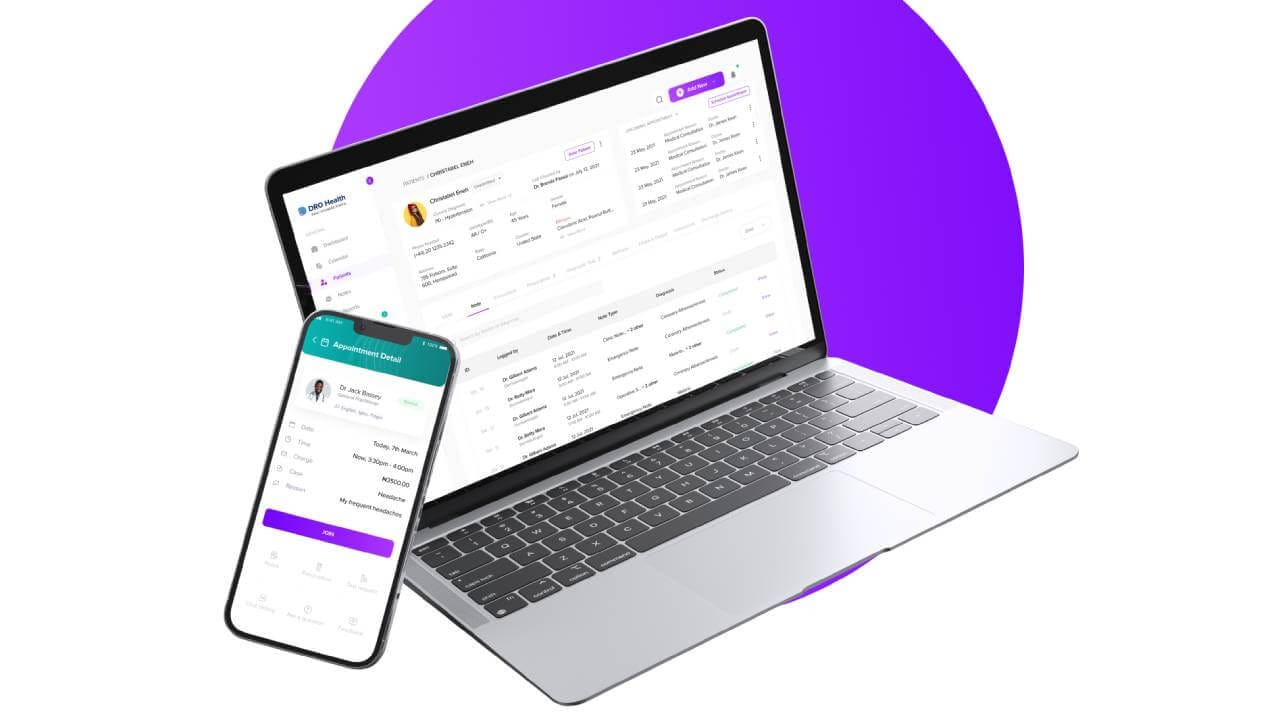
DRO Health’s digital platform assists patients to swiftly consult doctors, access medical records, and manage prescriptions. (Source: DRO Health)
Electronic medical records (EMR): DRO Health’s EMR platform allows hospitals and healthcare providers to digitize their patient records and reduce errors.
“We provide secure, centralized medical records that store consultation history, prescriptions, test results, and vitals, ensuring accuracy and continuity of care,” she said.
Wellness programs: DRO Health’s mobile app offers structured wellness plans such as the cardiovascular disease program (CVD), which includes ongoing remote monitoring, doctor follow-ups, and lifestyle guidance.
“We recently launched the DRO Health Bluetooth enabled blood pressure monitors which allow patients who enroll on the CVD program, check their blood pressure and share the readings automatically with their doctor through the app. This eliminated the need to write readings down and reduces errors significantly,” Campbell said.
HMO and corporate partnerships: DRO Health provides custom dashboards and APIs for HMOs and companies, allowing them to offer digital consultations and manage healthcare benefits efficiently.
DRO Health’s Nigerian challenges and successes
Campbell said that as a healthtech startup in Nigeria, DRO Health has faced a lot of challenges which are prominent in emerging markets including poor infrastructure, limited digital trust and regulatory ambiguity.
“Unreliable Internet and power supply made virtual care difficult for some users, so we optimized our platform for low bandwidth use and offered audio and chat consultations,” she added.
Campbell added that building trust in digital healthcare was another hurdle, and the company overcame that through patient education, transparent pricing and a network of licensed Nigerian doctors.
“We also navigated regulatory uncertainty by aligning with medical boards and global standards on data privacy. Payment barriers, especially among the uninsured, led us to adopt flexible pricing models and partner with HMOs and employers,” she explained.
Lastly, she said attracting top talent was challenging, but the company built a mission-driven culture that appeals to professionals who want to make a meaningful impact.
“Our practitioners are licensed to practice in Nigeria, and we confirm that each license is up to date with a representative from the Nigerian Medical Board. Nonmedical professionals need to have the relevant degree and certification for the relevant field. All our services and features are designed and developed with doctors to ensure the highest quality of care,” Campbell continued.
She also said there are many success stories she could share.
“One stands out, a father [shared via social media platform] X that he saved his baby from choking with the help of a doctor on the DRO Health app. There are probably many such stories we don’t hear about, but it’s awesome when people share,” Campbell continued.
“We also have affordable plans for small rural hospitals and clinics that want to digitize their practice using our EMR. Bringing technology solutions to those areas is a huge success story,” she concluded.