LinkedIn’s top legal and policy executive says the company’s data does not support the narrative that artificial intelligence is responsible for the ongoing decline in hiring, but warns that the picture could look very different by the end of the decade.
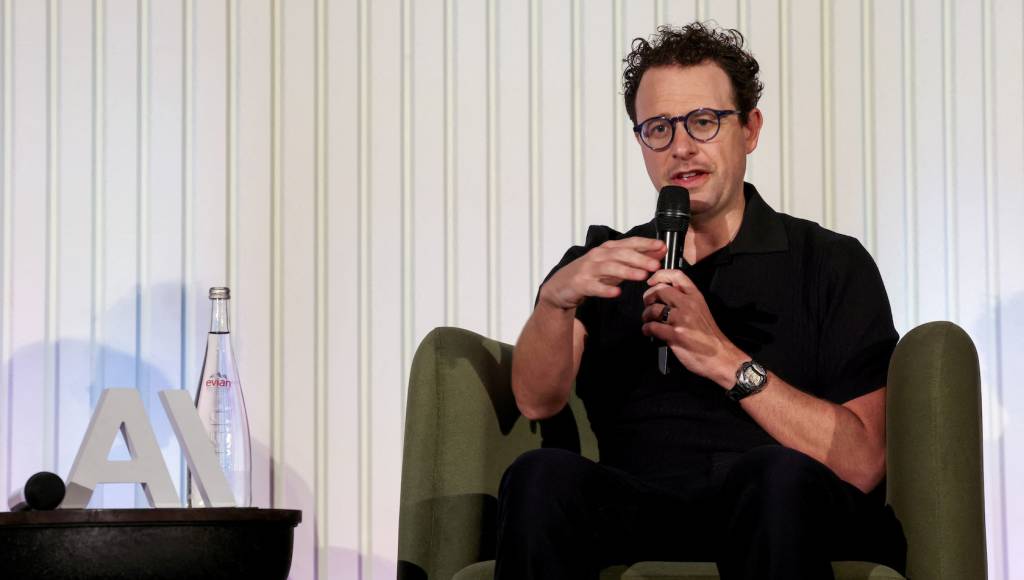
Blake Lawit, LinkedIn’s chief global affairs and legal officer, confirmed at the Semafor World Economy Summit that the company’s data shows a roughly 20% decline in hiring since 2022, attributing the trend more closely to rising interest rates than to AI displacement.
Lawit said that LinkedIn’s economic graph, which spans over a billion members along with data on companies, jobs, and skills, has not shown the kind of job impacts in AI-exposed sectors—such as customer support, administrative work, and marketing—that one would expect if AI were already significantly displacing workers.
He also noted that hiring among college-aged workers entering the job market for the first time had not fallen more sharply than for workers in mid or late-career stages, countering concerns about AI’s disproportionate impact on entry-level roles.
Lawit stopped short of dismissing the long-term risk, however. He noted that over the past several years, the skills required to perform the average job have already shifted by 25%, and projected that AI could push that figure to 70% by 2030, meaning workers may find their roles fundamentally changing even if their employment status remains stable.