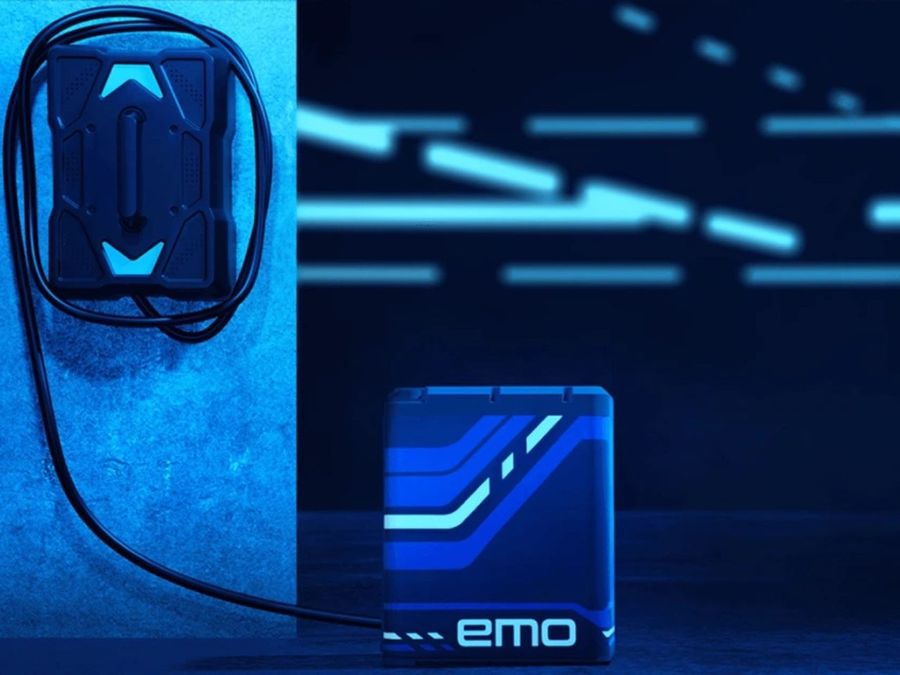
EMO Energy has announced plans to significantly expand its fast-charging infrastructure, targeting deployment of over 5,000 charging units by 2027. The move reflects the company’s strategy to strengthen India’s EV ecosystem amid rising adoption of electric mobility.
Focus on Fast-Charging Solutions
The planned expansion will focus on fast-charging solutions, aimed at reducing charging time and improving convenience for EV users.
Fast-charging infrastructure is increasingly seen as a critical enabler for accelerating electric vehicle adoption, particularly in urban and high-demand corridors.
Supporting EV Adoption in Key Segments
With electric two-wheelers (e2w) and three-wheelers (e3w) driving much of India’s EV growth, the expansion is expected to support last-mile mobility and commercial applications.
By scaling up to over 5,000 units, EMO Energy aims to improve access to reliable charging infrastructure across multiple locations. The initiative is likely to contribute to building a more robust and accessible public charging ecosystem.
Industry Momentum Builds Around Charging Infrastructure
The announcement comes at a time when India’s EV sector is witnessing increased investments in charging infrastructure.
The government of India has also launched LEAF, an industry-led platform to improve EV charging infrastructure, enable interoperability, and support electric two-wheeler and three-wheeler adoption, with over 20 organisations already onboard.
India’s Public EV charging stations installation has gone up to 27,737 as of March 1, 2026, of which 22,753 are currently operational nationwide, Minister of State for Heavy Industries, Bhupathiraju Srinivasa Varma, informed Parliament last week.
The government had sanctioned ₹912.50 crore under the FAME-II scheme for EV chargers installation, of which ₹655.43 crore has been utilised. The FAME-II scheme was implemented from April, 2019 to March, 2024 to boost electric mobility in the country.
Between April–September 2024, the government introduced the Electric Mobility Promotion Scheme (EMPS), which was later on replaced by the PM E-DRIVE scheme.
An allocation of ₹2,000 crore has been made under the PM E-DRIVE Scheme, for deployment of EV PCS on pan India basis.
States like Karnataka, Maharashtra, Uttar Pradesh and Delhi are among those with higher numbers of charging points, the government data shows.