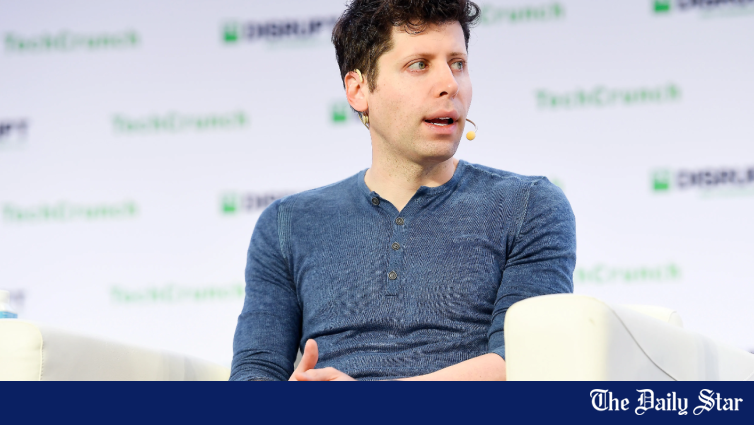
OpenAI Chief Executive Sam Altman has pledged two million dollars worth of application programming interface (API) tokens to every startup in the current Y Combinator batch in exchange for a future equity stake. The unexpected offer, made during a recent closed-door Y Combinator event, was described as a “mic drop moment” by partner Tyler Bosmeny and was later confirmed by Altman on social media.
According to reports by TechCrunch, The Verge, and The Information, the arrangement covers roughly 169 early-stage companies and is structured as an uncapped Simple Agreement for Future Equity (SAFE). This standard startup funding instrument, originally pioneered by Y Combinator, allows the companies to receive the computational credits immediately while delaying the calculation of OpenAI’s precise ownership stake. The eventual equity that OpenAI receives will convert during a future priced funding round, such as a Series A, meaning a higher valuation at that stage will yield a smaller slice of the company for the artificial intelligence firm. The deal is notable because it treats processing power as a form of venture capital, exchanging operational infrastructure rather than cash for corporate ownership.
Altman, who previously served as the president of Y Combinator, framed the initiative as an experiment to support “tokenmaxxing” startups, a term describing small teams that aggressively spend on AI compute resources rather than expanding headcount. The massive credit allotment aims to eliminate a primary financial burden for fledgling tech firms, where infrastructure bills can rapidly deplete early seed capital. By providing these credits up front, the deal effectively reduces operational expenses while simultaneously incentivising founders to build their products exclusively within the OpenAI ecosystem, potentially steering them away from rival platforms like Anthropic.
The proposal has generated significant discussion among Silicon Valley investors and founders. Supporters argue that removing the silent killer of high API fees gives young companies a critical runway to iterate on their products. Conversely, critics have raised concerns regarding platform risk and equity dilution. As per reports, Seed investor Jason Calacanis warned founders to be careful, suggesting that the arrangement presents a classic platform dilemma where OpenAI could theoretically monitor what the startups are building, replicate successful application ideas, and integrate them into its own free product offerings. Others point out that giving up additional ownership leaves less equity for future investment rounds and early employees, particularly since Y Combinator already takes a fixed 7% stake for its initial cash investment.
The proposal comes at a time when the marginal cost of running artificial intelligence models continues to drop. Because data processing is becoming cheaper to produce over time, the tokens OpenAI grants today will cost the company a fraction of their retail value to support in the future, while the equity received in return could grow substantially more valuable if the startups succeed.