-achieving results of 80.34 billion KRW in resident company sales, 33.25 billion KRW in investment attraction, and 36.55 billion KRW in government support project selection.
-Systematically nurturing of technology-based high-growth startups and implementing a mid- to long-term plan to discover at least 60 companies each year and nurture a total of more than 260 companies over the past four years.
-As the structure shifts toward collaboration among local governments, universities, and industries, achievements are created through technology startups and new industry startups, expanding into global and baby unicorn companies.
-To facilitate smooth communication with resident companies, providing over 200 annual mentoring sessions and supporting cross-business matching for mutual coexistence and joint growth.
Kyung Hee University (Seoul) RISE Project Group Startup Campus Town Center started based on the existing university startup incubation function. With the recent introduction of the RISE (Regional Innovation System & Education) policy, it has been advanced beyond the structure of the existing Campus Town project into an integrated startup platform linked with regional industries, with a focus on technology startups and new industry startups. It is not a simple startup support organization, but functions as a key hub that connects the university’s research capabilities, technology commercialization, industry–academia collaboration, and regional industries, serving as Kyung Hee University’s specialized leading startup university.In particular, centered around the vision of ‘NC-BI (New Challenge Beyond Ideas)’, it is building a growth-oriented startup ecosystem that goes beyond startups remaining at the idea stage and leads to actual market achievements and industrial expansion. The business structure is also being reorganized around strategic industries such as AI, BIO, social ventures, physical products, etc., and is simultaneously operating a global expansion model that includes foreign country founders, thereby maximizing expertise.
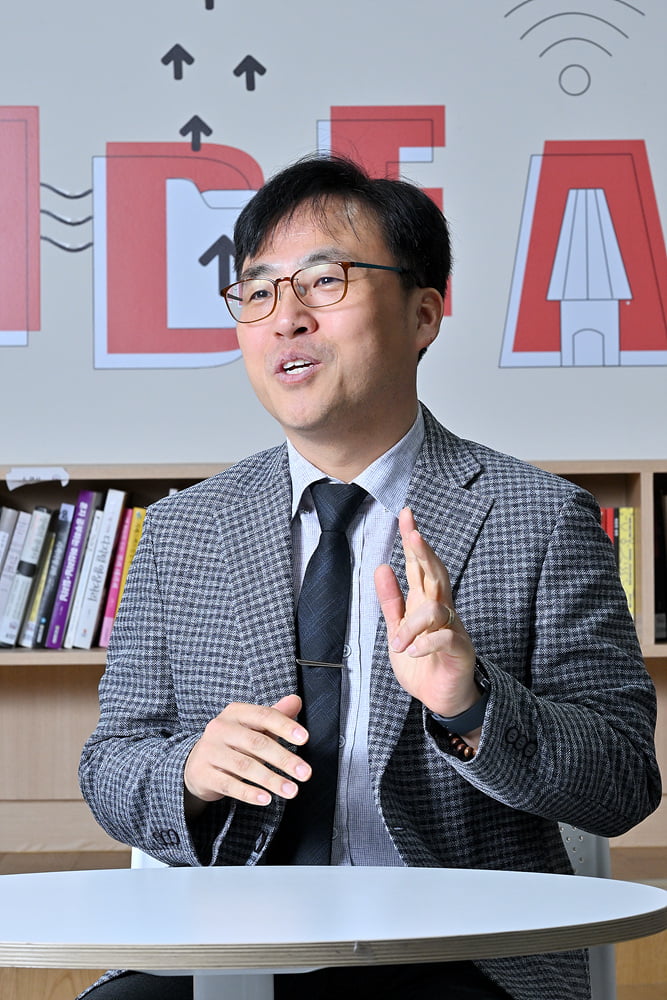
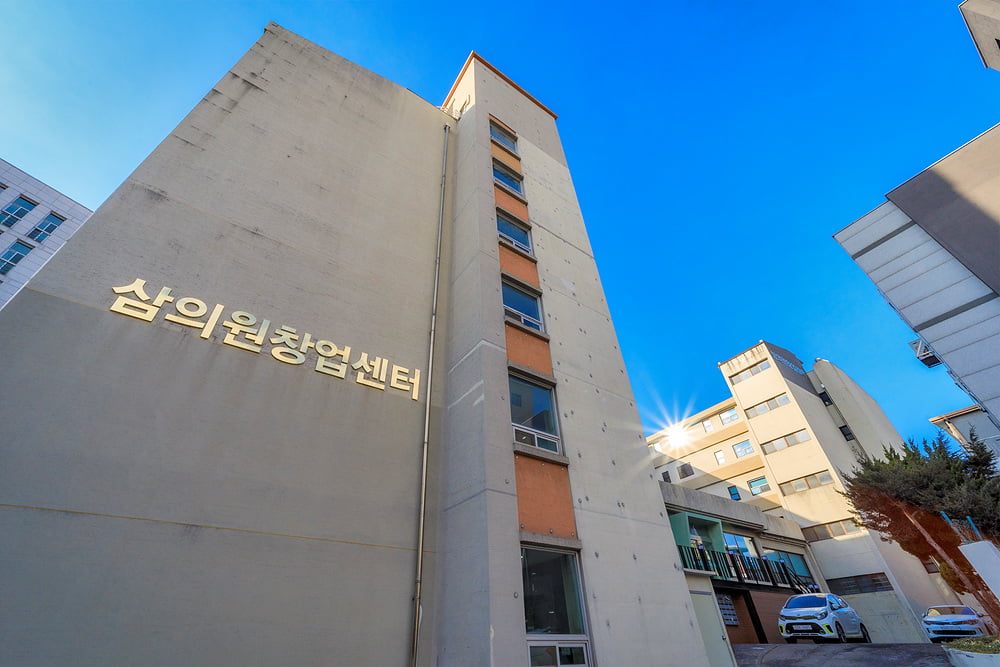
Seok-hee Ryu, Director of the Startup Campus Town Center at Kyung Hee University (Seoul) RISE Project Group, said, “Kyung Hee University has established an organic linkage system connecting startup support, industry–academia collaboration, technology commercialization, and startup support,” adding, “Based on a differentiated, practice-oriented startup process, providing integrated support that extends from ‘startup education–technology development–commercialization–investment’, thereby fostering outstanding startup companies.” We met Director Ryu at the Startup Campus Town Center of the Kyung Hee University (Seoul) RISE Project Group in Dongdaemun-gu, Seoul.
Professor at Kyung Hee University, Head of the Business Incubation Center, Head of the Campus Town Project Center
Ph.D. in Law, Kyung Hee University Law School (Major: Civil Law and Startup Law)
Current: Lecturer at Kyung Hee University, teaching faculty startup management and law (startup law, intellectual property rights, etc.)
Director of the (Seoul/Global) Business Incubation Center, Director of the (Seoul) Campus Town Project Center
Graduate School of Techno-Management, Department of Smart Technology Management
Startup Business Major, Department of Business Administration, Graduate School of Management
Principal Investment Officer
Former: Lecturer at Seoul National University of Science and Technology and Konkuk University, teaching startup management and law
Former: Head of Legal Planning Team at a major corporation (legal affairs, litigation, contracts, legal review and advisory), legislation (intellectual property rights), projects, and management diagnostics
Former: Instructor at the MG Saemaeul Geumgo Training Institute (Civil Trial Practice, Civil Execution Law, Debt Management, etc.)
Former: Head of the NCS Financial Sales and Debt Management Division, overseeing overall operations
Author of over 50 papers and books
How would you assess the performance so far?
“The achievements of the Startup Campus Town Center at Kyung Hee University (Seoul) RISE Project Group are highly regarded for going beyond simply increasing the number of startups to simultaneously generating tangible economic and technological outcomes. From 2020 to 2025, we have supported a total of 305 startup support companies on a cumulative basis, achieving 80.34 billion KRW in resident company sales, 33.25 billion KRW in investment attraction, and 36.55 billion KRW in government support project selection. In addition, based on internal operational data, achievements have been accumulated, including 171 startup teams, approximately 29.6 billion KRW in sales, as well as results in investment attraction and intellectual property acquisition. This indicates that startup companies are moving beyond mere survival and entering a stage of growth. In particular, the Kyung Hee University Startup Campus Town Center earned an A+ grade in the performance evaluation. This demonstrates both the maturity of the operating system and the effectiveness of its company support. These achievements show that Kyung Hee University’s startup support is functioning as a practical growth structure that goes beyond simple education or space provision, extending to sales, investment, and technology development.”
What is a particular area you are focusing on the most this year?
“As of 2026, Kyung Hee University’s core strategy is the systematic cultivation of high-growth, technology-based startups. In particular, we aim to expand the share of AI-focused startups to over 50% and maintain the proportion of student startups at over 60%. We are pursuing a mid- to long-term plan to identify more than 60 startups each year and nurture over 260 companies over four years. Along with this, we are comprehensively promoting various areas, including AI talent development, technology commercialization, the expansion of foreign entrepreneurship, ESG-based social ventures, and (pre-)startup clubs such as Rookie. This strategy focuses not simply on increasing the number of startups, but on nurturing companies with strong industrial competitiveness. The key this year is not the quantitative expansion of startup companies, but to build a foundation for qualitative growth that can lead to investment and global expansion.”
Starting this year, it will be carried out as the RISE project. How is it different from the past?
“The biggest change since the introduction of the RISE system is that the nature of startup support projects has expanded from university-level projects to a convergence growth support system. Whereas in the past it focused on advanced startup incubation and nurturing programs, it has now shifted to a structure in which local governments, universities, and industries collaborate. It represents an expansion into a highly advanced startup incubation and nurturing system that creates outcomes from technology and new industry startups, scaling up to global and baby unicorns. In particular, from 2026, the number of participating universities will be reduced from 20 to 13, strengthening a competition-based selection structure. This indicates that a performance- and capability-based evaluation system has been introduced. In addition, startup support is expanding beyond simply nurturing companies into an integrated policy that includes talent development, technology commercialization, global expansion, the creation of unicorns, and contributions to regional industries. As a result, startups are no longer independent ventures but are becoming a key means of driving regional industrial innovation.”
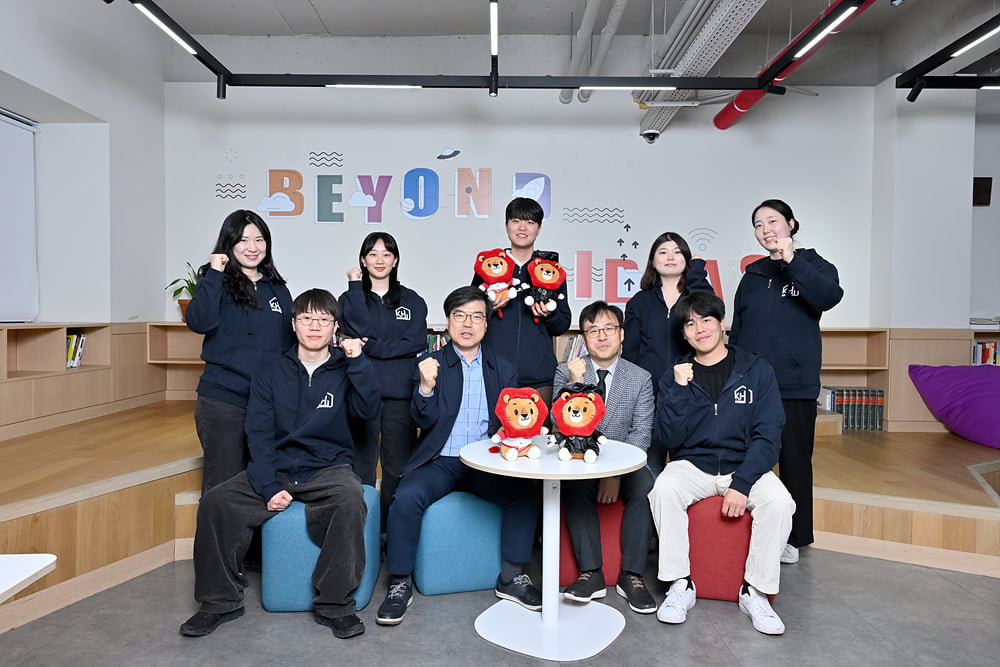
“The greatest strength of Kyung Hee University is that it has an integrated industry–academia–research startup support structure. Led by the active support for startups from Director Eunrim Ji and Deputy Director Jaehong Park of the (Seoul) RISE Project Group, the Startup Support Center, Industry–Academia Cooperation Foundation, technology holding company, Business Incubation Center, and university and graduate school education organizations are all connected as one system. Through this, full-cycle support is provided, spanning from technology development to commercialization, investment, and global expansion. In addition, it has a structure linked to external research infrastructure such as the Hongneung Bio Cluster, providing strengths in startups in the bio and fintech sectors. Unlike conventional startup education–focused models, this structure is differentiated in that it builds a startup ecosystem centered on technology commercialization. Through programs that facilitate smooth communication with resident companies at the Startup Campus Town Center, it supports cross-business matching that enables mutual growth and collaborative development. By jointly operating 365 PBL mentoring services and startup matching programs to provide rapid solutions to startup-related challenges at any time, it actively supports the stable growth of resident companies. Kyung Hee University is growing into a dynamic Startup Campus Town Center based on active communication.”
What criteria were used to select the resident companies?
“The selection of resident companies is based on a comprehensive evaluation of business viability, technology, team capabilities, and growth potential. Recently, alignment with strategic industries such as AI and BIO, as well as the potential for investment and global expansion, has been reflected as key criteria. This indicates a shift away from idea-driven selection toward an emphasis on execution capability and growth. Selection was made considering the potential for program participation after admission and the effectiveness of incubation, and it has a selection structure linked to incubation outcomes.”
Could you introduce your representative startup incubation programs?
“Kyung Hee University’s startup incubation programs are systematically structured around stage-based growth. Through flagship programs such as ‘Nexus Pass’ we support the advancement of business plans and linkage with government-funded projects. The purpose of this program is to help resident companies secure funding and carry out stable startup activities. Every year, many companies achieve strong results by being selected for government-funded projects, earning recognition for their excellence. In addition, programs such as Open Innovation, Scale-up, AI education, technology commercialization, and global expansion are organically linked and operated. This has enabled us to establish a structured program framework aimed not at simple education, but at generating tangible outcomes. In particular, the program structure linking MVP development, funding, marketing, and investment attraction significantly enhances the market entry potential of startups.”
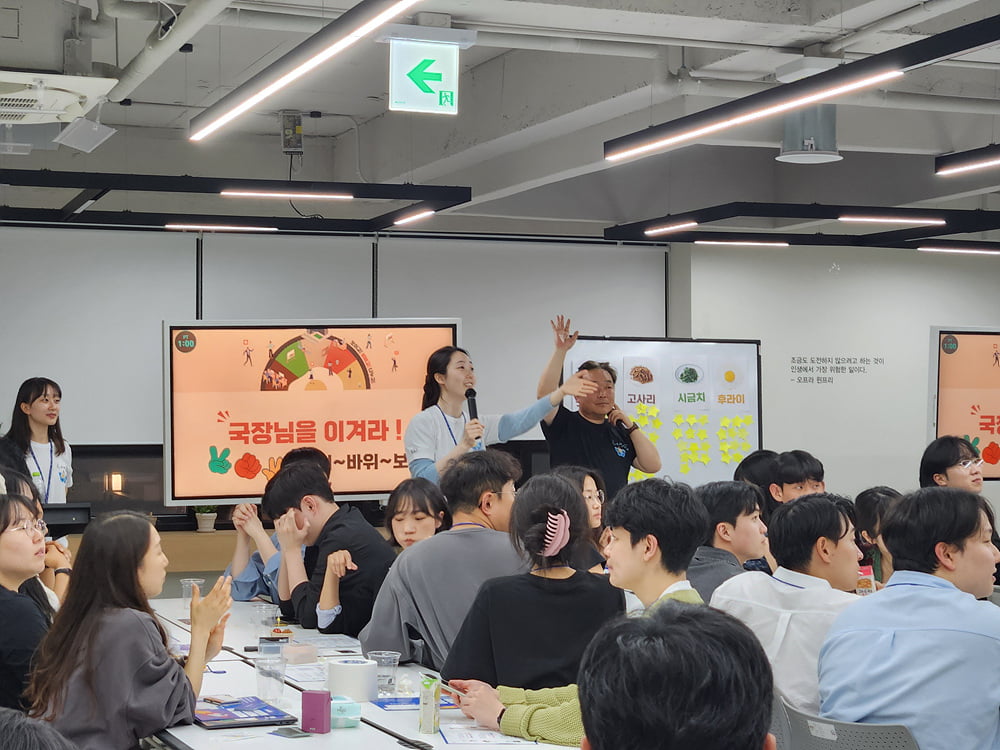
“Kyung Hee University operates a close communication structure based on continuous mentoring. More than 200 mentoring sessions are conducted annually, with active participation from resident companies, enabling tailored support for each company. Through this, we have established a system that allows real-time problem-solving for companies. In addition, through regular networking programs, collaboration among companies and connections to investment are also facilitated. It is not simply administrative support, but a partnership-based support structure, which serves as a key factor in the survival and growth of startups. Last year, we operated meal-based networking marketing, reflecting managers’ ideas to boost exchanges with senior entrepreneurs over meals, as well as startup lectures and networking events. We plan to continue meaningful communication among resident companies in 2026 with the theme of beneficial programs.”
What are the programs for companies to go global?
“Global expansion support is operated with a focus on overseas market entry and investment linkage. Through programs such as Beyond Korea, we support the development of global sales channels and investment attraction, while also contributing to the establishment of a global startup ecosystem through foreign entrepreneur programs. In addition, by fostering global talent and building overseas networks in parallel, we have established a sustainable global expansion structure rather than simply supporting overseas entry.”
“Investment attraction is operated through a stage-based structure that leads from business model advancement to demo days and investor matching. Through actual demo days, investment attraction outcomes are being achieved, and a funding structure linked to government-supported projects is also being operated. Market expansion is driven through product and service marketing programs and open innovation, enabling a structure that simultaneously achieves revenue generation and investment attraction.”
What are the goals for the future?
“The goal of the Startup Campus Town Center at Kyung Hee University (Seoul) RISE Project Group is to become a leading university for global technology-based startups. We have set key objectives such as nurturing baby unicorn companies, building a startup ecosystem, expanding technology commercialization, and strengthening global expansion, aiming to establish a university-centered innovative startup cluster. In this regard, Kyung Hee University is positioning itself beyond a startup support institution as a platform that leads regional industrial innovation, and it is highly likely to expand as a representative model of university startup policy in Korea. Lastly, to foster baby unicorn companies among resident startups and support their growth, we will work with the highly capable managers of the Startup Campus Town Center at Kyung Hee University (Seoul) RISE Project Group to proactively provide optimized startup support and deliver outstanding results.”
reporter jinho lee
[email protected]
Source link