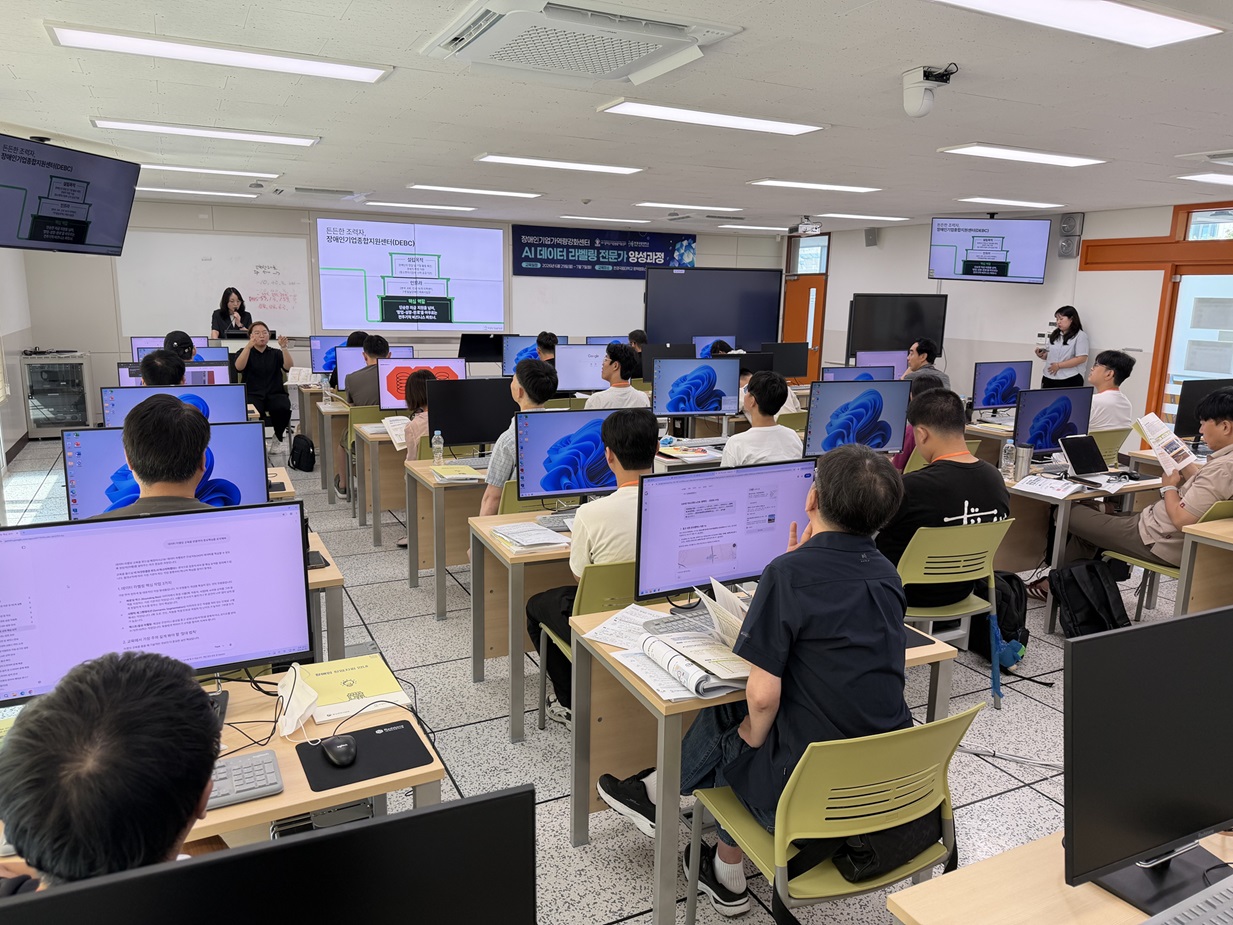
While educational infrastructure for the employment of people with disabilities was established nationwide, offline training centers for those wishing to start their own businesses were virtually non-existent. To fill this gap, the Comprehensive Support Center for Businesses for the Disabled has opened the ‘Entrepreneurship Capacity Building Center for the Disabled,’ the first startup education hub in partnership with a university, and has begun full-scale operations.
The plan is to establish a new foundation for the startup ecosystem for people with disabilities by creating a system that supports everything from practical training tailored to the AI and digital industry environment to commercialization and linkage with startup funding.
Establishment of First Hub for Entrepreneurship Education for People with Disabilities… Linking Education to Commercialization
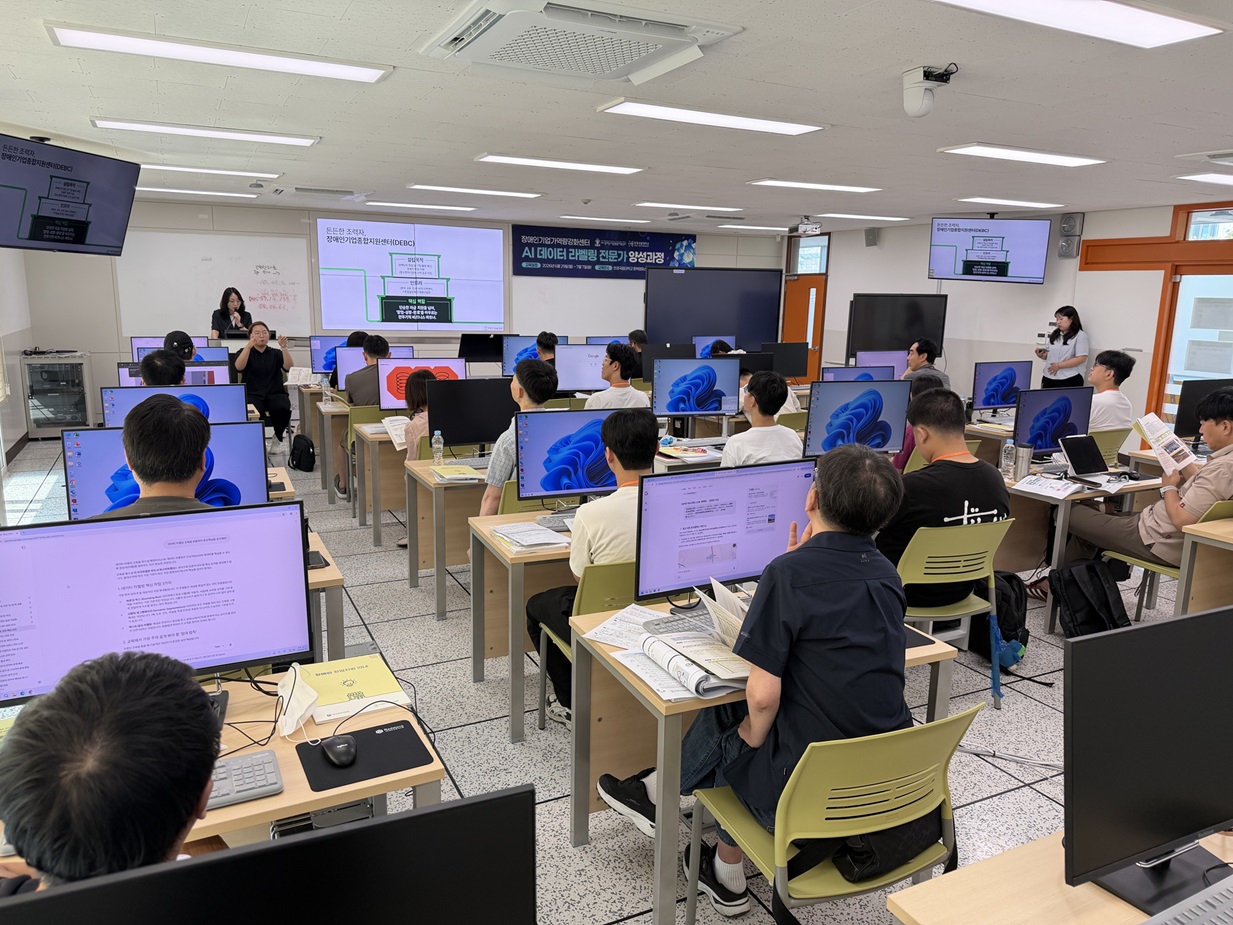
The Comprehensive Support Center for Businesses with Disabilities announced that it began operating the first regular training course for the first “Entrepreneurship Capacity Building Center for People with Disabilities,” a new project for 2026, on the 29th. The Center for Entrepreneurship Capacity Building for People with Disabilities is a hub-type startup education facility established by utilizing the educational infrastructure of universities. Its goal is to provide education and support at each stage, from prospective entrepreneurs to companies in the early and growth phases.
We established the first center at the Pyeongtaek Campus of Hankyong National University this year and plan to expand it nationwide in the future.
This training program focuses on strengthening entrepreneurial capabilities to respond to the AI-based industrial environment. Trainees will learn the overall practical aspects of starting a business, including data utilization, commercialization strategies, tax and labor relations, and marketing. In particular, the plan is to enhance the competitiveness of entrepreneurs with disabilities by strengthening practical training for entering high-value-added digital markets.
Outstanding scholarship recipients will be selected following the completion of the training. Selected trainees will be provided with startup funds of up to 180 million won, including commercialization capital and lease deposits for startup spaces. The Center plans to establish a support system that links entrepreneurship education with financial support to enable entrepreneurs with disabilities to successfully launch their businesses and achieve growth.
Related